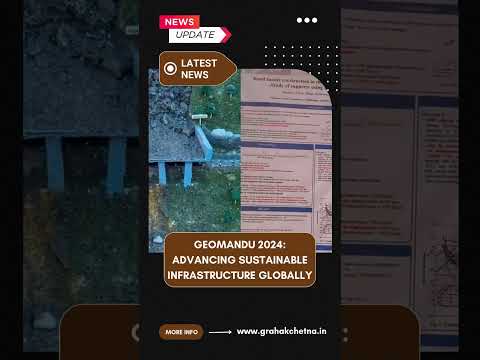
You know that moment when you’re standing on a bridge or strutting down a fancy sidewalk and you think, “Wow, how the heck did they build this?” Well, it’s all about what’s underneath. Seriously!
Geotechnics is like the unsung hero of construction. It’s all about understanding soil and rocks, which sounds super boring until you realize it’s what keeps everything from falling apart. Imagine trying to build a house on quicksand. Not cool, right?
But here’s the kicker: we’re in an age where innovation is shaking things up big time. From crazy clever ways to use recycled materials to eco-friendly techniques that help our planet while building solid foundations, there’s so much happening in geotechnics right now!
So, buckle up, because this journey through the ground beneath us is about to get exciting!
Advancements in Geotechnical Engineering: Sustainable Infrastructure Innovations – PDF Insights
Advancements in Geotechnical Engineering: Sustainable Infrastructure Innovations
Geotechnical engineering is like the backbone of construction. It’s all about understanding the ground beneath our feet and making sure structures stand strong and safe. Recently, there have been some really cool advancements focused on sustainability. Let’s break it down.
What is Sustainable Geotechnical Engineering?
Sustainable geotechnical engineering aims to minimize environmental impact while ensuring safety and performance. Basically, it’s about building infrastructure that lasts without messing up the planet. You’re not just looking at materials; it’s also about how we use them.
Innovative Materials
One of the biggest shifts has been towards using more sustainable materials. Engineers are experimenting with things like recycled concrete, which reduces waste and lowers carbon emissions during production. For instance, incorporating industrial by-products like fly ash into concrete mixes can really help out.
Soil Stabilization Techniques
Another exciting area is soil stabilization techniques. Instead of digging everything up, engineers can treat soil to strengthen it on-site. This means less digging and less disruption to the landscape, which is a big deal for preserving ecosystems.
- Biogeotechnology: This involves using plants or microbes to enhance soil strength or even clean contaminated soils naturally.
- Geosynthetics: These materials can reinforce soil and reduce erosion but come from synthetic sources. They need to be carefully designed to ensure they’re sustainable in their lifecycle.
Data-Driven Decision Making
With advancements in technology comes better data collection methods too! Drones and remote sensing help geotechnical engineers gather information quickly without disturbing the site too much. Tools like geographic information systems (GIS) allow for better mapping of areas where construction might happen.
Imagine you’re planning a new bridge over a river. Using these tools means you can pinpoint exactly where your concerns are before you even put a shovel in the ground!
Circular Economy Principles
The move towards a circular economy is also influencing geotechnics. Instead of seeing materials as disposable after one use, there’s a push to reuse what we have! Think about how old pavement can be crushed into aggregates for new roads or foundations. It’s like giving old things a second life!
The Role of Regulations
Policies around sustainable practices are becoming stricter too. Governments are encouraging—or sometimes requiring—engineers to follow guidelines that prioritize sustainability in projects. This isn’t just good for PR; it’s essential for future-proofing our infrastructure.
In many places, there’s already talk of integrating sustainability assessment in project designs right from the start instead of as an afterthought.
Anecdote Time!
I remember chatting with an engineer who was proud of his latest project—a green building that used stabilized earth blocks made from local soil while incorporating reclaimed materials from an old site nearby. He lit up when he talked about how they reduced waste significantly during construction, plus gave back to the community by using local workers. It’s projects like this that give me hope for what we can do with smart engineering!
Overall, advancements in geotechnical engineering show us that innovation doesn’t have to come at the cost of our planet’s health—it can actually help it! The future looks promising with these sustainable practices paving the way for smarter infrastructure developments everywhere you look!
Advancements in Geotechnical Engineering: Pioneering Sustainable Infrastructure Solutions in 2022
Geotechnical engineering is all about understanding the ground beneath our feet. It’s a fascinating field that deals with everything from soil properties to rock mechanics. In 2022, we saw some pretty cool advancements, especially when it comes to building sustainable infrastructure.
So, what’s new? Well, one of the biggest trends is the use of eco-friendly materials. Engineers have been experimenting with recycled materials to create stronger and more sustainable foundations. For instance, using recycled concrete aggregates helps reduce waste and is often just as sturdy as new stuff!
Another exciting development is in ground improvement techniques. This basically means that instead of digging up and replacing weak soil, engineers are finding ways to make it stronger without all that hassle. Techniques like vibro-compaction or using chemical grouts are becoming really popular. They stabilize the ground while minimizing environmental impact—pretty clever, huh?
Then there’s the whole movement towards sustainable drainage systems. With climate change making storms more intense, cities need ways to manage water better. Engineers are designing systems that not only handle rainwater efficiently but also recharge groundwater levels. This helps prevent flooding while promoting a healthier ecosystem.
Now let’s talk about technology! The use of drones and Lidar technology has taken geotechnical surveys to a whole new level. These tools allow engineers to gather data about the land faster and with greater accuracy than ever before. Imagine flying a drone over a construction site and getting super detailed images; it makes planning so much easier!
You know what’s also really inspiring? The focus on community involvement in projects. More engineers are recognizing that local knowledge can be invaluable in designing infrastructure that works with nature rather than against it. Engaging communities leads to solutions that everyone can support.
Lastly, let’s give a shout-out to how geotechnical engineers are addressing climate change impacts directly! They’re focusing on resilient designs that take into account potential natural disasters—like earthquakes or floods—when creating buildings or roads.
To sum up:
- Use of eco-friendly materials: Recycling concrete helps reduce waste.
- Ground improvement techniques: Stabilizing soil without major excavation.
- Sustainable drainage systems: Managing stormwater effectively.
- Drones and Lidar technology: Improved data collection for planning.
- Community involvement: Designing with local input for better solutions.
- The focus on resilience: Preparing for climate-related challenges.
These advancements show just how innovative geotechnical engineering has become while pushing towards sustainability in our infrastructure. It’s an exciting time to be part of this field!
Advancements in Geotechnics: Pioneering Sustainable Infrastructure Solutions in 2021
Alright, let’s chat about advancements in geotechnics. You may be wondering what that even is! Well, geotechnics is all about understanding how soil and rock behave under different conditions. It’s like the unsung hero of construction and infrastructure. Basically, it helps us figure out how to build safely and sustainably on our planet.
In 2021, a bunch of really cool stuff happened in the field that aimed for sustainability. For instance, there was a significant push towards using **recycled materials** in construction projects. Think about it: instead of digging up new resources, we can repurpose old materials like concrete and asphalt. It’s not only eco-friendly but also reduces costs. Seriously, who doesn’t love saving a bit of cash while doing good for the environment?
Another interesting development was the use of **biotechnical engineering**. This involves using plants to stabilize soil and prevent erosion. I remember hearing about a project where engineers planted specific vegetation on embankments to hold everything together naturally. It’s wild, right? Mother Nature can help us build better!
And oh! Let’s not forget about the rise in **smart technologies** in geotechnical applications. You know how your phone reminds you to charge it? Well, similar tech is being embedded into infrastructure to monitor its health in real-time! Sensors embedded in structures can alert engineers when something’s off—like an early warning system for buildings or roads. This kind of proactive approach could save tons of money on repairs and keep people safe.
Of course, with these innovations comes the challenge of making sure they’re implemented properly across various regions and climates. Not every solution works everywhere! That’s why ongoing research is vital to ensure we tailor sustainable practices to meet local needs.
So basically, these advancements are paving the way (pun intended) for more **sustainable infrastructure** solutions that are not just smart but also sensitive to our environment. Imagine walking on roads made from recycled materials or seeing lush greenery reinforcing highways—it’s pretty exciting stuff!
In summary, as geotechnics evolves alongside technology and environmental awareness, we’re heading towards a future where building doesn’t just mean tearing down nature but rather working alongside it for something truly innovative and sustainable.
And remember: sustainability isn’t just a trend; it’s becoming a way of life—and that’s something worth getting excited about!
You know, the world of geotechnics might not sound super exciting at first, but it’s actually pretty darn cool when you think about it. Basically, it’s all about understanding the ground beneath our feet and how it can support the structures we build. And let me tell you, recent innovations in this field are really shaking things up for sustainable infrastructure.
I remember a time when I was hiking with some friends, and we stumbled across a mudslide. It was wild to see how nature can completely reshape the landscape overnight. That got me thinking about how vital it is to work with the earth rather than against it in construction. Engineers are now using smarter materials and methods that not only hold buildings up but also respect and protect the environment.
For instance, one innovative approach is using recycled materials in construction. Imagine roads made from old tires or plastic waste! It’s like giving these materials a second chance while also reducing landfill waste. And then there’s this whole area of research around soil stabilization techniques that help strengthen weak soils without causing harm to ecosystems.
But what really gets me excited is how new technologies like 3D printing are entering the scene. Can you picture this? Structures created layer by layer right on-site, using less material and making less waste at the same time! It’s kind of mind-blowing when you realize that we could be building homes or bridges that blend seamlessly into their surroundings and require fewer resources.
And let’s not forget about monitoring systems that use sensors to keep an eye on how foundations are holding up over time. This helps catch potential issues before they become disasters—talk about being proactive! It’s like giving our infrastructure a health check-up regularly.
So yeah, as boring as some people might think geotechnics is, it’s actually full of potential for creating a future where our structures can coexist with nature instead of battling against it. It’s all about finding that balance, making sure our infrastructure isn’t just functional but also sustainable for generations to come. That’s pretty inspiring, if you ask me!