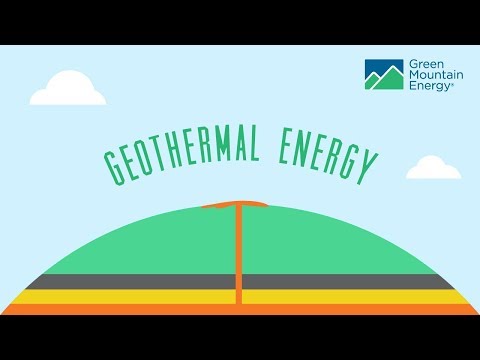
You know what’s cool? The Earth is like this giant battery, just sitting there, packed with energy. Crazy, right?
A while back, I went camping in a hot spring area. There I am, soaking in this warm water bubbling right out of the ground. It hit me—this heat is way more than just a luxury for my back! It’s geothermal energy doing its thing.
Imagine if we could tap into that heat to power our homes. Seriously, that’s what geothermal wells are all about! They’re like those secret passages you wander through in video games—leading to something incredible and useful.
So let’s chat about how we can harness this natural powerhouse for sustainable power! It might just blow your mind a little bit.
Exploring the Geothermal Energy Revolution: The Country Heating 90% of Its Homes with Sustainable Science
Hey, let’s talk about something super cool and kind of revolutionary: geothermal energy! It’s like tapping into the Earth’s natural heat to keep our homes warm and cozy. Seriously, some places are already heating over 90% of their homes using this sustainable source. So, what’s the deal with geothermal energy?
Geothermal energy comes from the heat stored beneath the Earth’s surface. Basically, this heat is like a giant kettle simmering away down there, thanks to the radioactive decay of minerals and residual heat from when our planet was formed. Isn’t that wild?
Now, how does it all work? Well, you have these things called geothermal wells that dig deep into the ground. They pump up steam or hot water that’s been heated by the Earth itself—like a natural hot tub! This steam can be used directly for heating or can spin turbines to generate electricity.
- Sustainability: One of the biggest perks is that it doesn’t release greenhouse gases like fossil fuels do. It’s pretty much a win-win situation!
- Efficiency: Geothermal systems usually have high efficiency rates compared to traditional heating methods. You’re getting way more heat than you use in electricity.
- Reliability: Unlike solar or wind energy, geothermal isn’t dependent on weather conditions. It works 24/7 which is super handy!
I remember visiting Iceland a couple of years ago. They’ve been pioneers in geothermal energy for ages and you can see it everywhere—their homes are warm even during those chilly winters! They’re using this natural resource not just for heating but also for generating power. You walk through Reykjavik and notice how they’ve integrated it into their daily lives.
Of course, every rose has its thorns, right? Drilling deep wells can be expensive initially and not every place has easy access to geothermal resources. Some areas may require advanced technology to make it work efficiently.
But looking forward, countries are really ramping up their efforts in harnessing this power! Innovating technology is making it cheaper and more accessible too; there are even buildings being designed from day one with these systems in mind!
So next time you’re looking for a sustainable option to heat your home or generate power, think about this — we have this amazing resource literally under our feet! People are starting to realize just how valuable it can be for fighting climate change while keeping our homes warm. Isn’t science great?
Harnessing Geothermal Energy: Feasibility and Scientific Insights
Geothermal energy is like the hidden treasure of renewable energy sources. It’s not just about hot springs and geysers; it’s about tapping into the heat that’s naturally found beneath Earth’s surface. So, how do we actually harness it? Let’s break down the feasibility and some scientific insights.
First off, geothermal energy comes from the heat stored in the Earth. This heat has graduated from being trapped in rocks and water to becoming a powerful resource for generating electricity. It basically works like this: you drill deep into the ground, where temperatures can reach hundreds of degrees Celsius, and then use that heat to produce steam. This steam spins turbines to create electricity. Sounds pretty neat, right?
Feasibility plays a big role here. Not every location is suitable for geothermal plants. Places with lots of volcanic activity or tectonic plate movement—like Iceland or parts of California—are ideal candidates. But even within those regions, you gotta consider a few things:
- Location: Hot spots make a huge difference. The closer you are to geothermal reservoirs, the better.
- Depth: Sometimes you have to drill really deep—over two miles! That’s expensive and technically challenging.
- Water availability: You need enough water for producing steam; without it, your system can’t work effectively.
- Environmental impact: Although it’s pretty clean compared to fossil fuels, you still have to be mindful of potential land use changes or emissions.
Now let’s talk about sustainability. One of geothermal energy’s biggest wins is its ability to provide a consistent power supply, unlike wind or solar that depend on the weather. Once operational, geothermal plants can run continuously for years! How cool is that? However, they do need proper management to ensure resources don’t get depleted faster than they reheat.
An example of successful implementation is The Geysers in California—the largest group of geothermal power plants in the world! It generates enough electricity for over 1 million homes by using steam from underground reservoirs.
So there’s science behind it too! Researchers are constantly exploring enhanced geothermal systems (EGS). This involves injecting water into rocks that don’t have enough natural fluid but are hot enough to generate steam if stimulated correctly. Basically trying to create artificial reservoirs!
But what about some obstacles? You might encounter concerns like earthquakes caused by drilling or fracking activities—though these aren’t very common if done right. And let’s not forget about financing; setting up these projects can require significant upfront investments.
In summary, harnessing geothermal energy presents exciting possibilities for sustainable power generation but comes with its own set of challenges and requirements. What’s clear is that as technology advances and we keep learning more about Earth’s fiery depths, we may just unlock even more potential from this incredible resource!
Understanding the Costs of Geothermal Systems for a 2000 sq ft Home: A Comprehensive Guide
So, you’re curious about geothermal systems for a 2000 sq ft home? That’s a smart move! Geothermal energy is all about tapping into the Earth’s natural heat. It can be a pretty neat way to heat and cool your house while being kinder to the environment. But what does it really cost to install one? Let’s break it down.
First off, we need to talk about **installation costs**. You’re typically looking at somewhere between $15,000 and $30,000 for an average-sized home. This can vary based on factors like your local climate, soil types, and whether you have a well or pond nearby. Sounds steep? Well, it might help to think of this as an investment—you’ll see lower energy bills over time.
Next up is the **type of system** you want. There are three main kinds: closed-loop systems, open-loop systems, and hybrid systems.
- Closed-loop systems: These are the most common. They circulate fluid through pipes buried underground. Installation costs can be higher because of excavation work.
- Open-loop systems: Here, groundwater is used directly—like pulling water from a well! These tend to be cheaper but depend heavily on your local water supply.
- Hybrid systems: A blend of geothermal with traditional heating methods. They can save you money initially but may not be as efficient in the long run.
Now let’s chat about **operational costs**. After installing the system, there are still costs to keep in mind:
- Maintenance: Regular check-ups on your geothermal units should run about $100 to $300 annually.
- Electricity: Geothermal heat pumps use electricity for their operation but are generally super efficient—like 300-600% efficiency compared to traditional units.
- Incentives: Some states offer tax credits or rebates that can help offset those initial costs!
Oh! And here’s something cool: many homeowners report saving between 30% and 60% on their heating and cooling bills after switching to geothermal! Imagine having more cash for fun stuff instead of utility bills.
Also, don’t forget about **long-term benefits**. Geothermal systems usually have lifespans of over 25 years with minimal replacement parts—so while they might make you feel lighter in the wallet upfront, they pay off over time.
Now let me tell you a quick story: my friend Lisa decided to go geothermal last year after her usual heating bill hit astronomical levels during winter. She was super stressed out but knew she wanted something sustainable and cost-effective in the long run. Fast forward six months after installation? She sent me a text saying she had enough money leftover from her heating expenses for a trip she’d been dreaming of!
In summary, installing a geothermal system in your home isn’t cheap initially—it could cost anywhere from $15K to $30K—but it has tons of potential benefits both financially and environmentally down the line! If you’re considering going this way, make sure you weigh all these factors carefully before jumping in!
So, let’s chat about geothermal energy wells, shall we? You know, that hidden gem of the renewable energy world that doesn’t get as much hype as solar or wind? I mean, it’s right beneath our feet—literally! When you think about it, the Earth is like this giant battery just waiting to be tapped into. And honestly, every time I see those geysers in places like Yellowstone, I can’t help but feel a strange kind of connection to all that heat down there. It’s like nature’s little reminder of its power.
Now, what makes geothermal energy so cool is its sustainability. We’re talking about using the natural heat from the Earth to generate power without burning fossil fuels. Just picture this: hot water reservoirs deep underground can be turned into steam and used to spin turbines that produce electricity. It’s clean and efficient!
But here’s the kicker: harnessing geothermal energy isn’t just about flipping a switch. There’s some serious science involved—it involves drilling wells into the ground and carefully managing those resources to avoid depletion. Imagine if you had a great tree in your backyard that gives tons of fruit. You’d want to take care of it instead of just stripping it bare all at once, right? That’s how we should think about these geothermal wells.
And yeah, there are challenges too. In some areas, finding those hot spots can be tricky and costly. Plus, drilling can sometimes cause small earthquakes—nothing scary but definitely not ideal! Still, communities around the world are figuring it out. For instance, in Iceland they’ve really nailed this whole geothermal thing; they even use it for heating their homes! What an amazing way to embrace natural resources!
I remember reading about a town in California where they transformed their old geothermal plant into a hub for sustainable energy—and even created jobs while doing it! Just thinking about how renewable energy projects can reshape communities makes me smile. It’s heartening to see how people come together for something greater than themselves.
So basically, harnessing geothermal energy wells isn’t just good for Mother Earth; it’s also good for us as well—providing reliable power without all the emissions that come with fossil fuels. And while there may still be some bumps along the way—like figuring out where exactly to dig—we’re definitely moving in the right direction with tapping into this incredible source of energy hiding beneath us.