You know what’s funny? When I was a kid, I thought all science was just mad scientists mixing random stuff in beakers. Like, “Boom! Let’s see what happens!” But that’s not really how it works.
Fast forward to today, and you’ve got things like GLP toxicology. Sounds fancy, right? It’s a game-changer in making sure that the stuff we test won’t come back to haunt us later.
Picture this: labs are now buzzing with advanced techniques ensuring experiments are safe for everyone—humans, animals, and the environment too. Seriously! We’re talking about way smarter ways to do things than just haphazardly tossing chemicals together.
So, if you’re curious about how science is stepping up its game in keeping us safe while still pushing boundaries, stick around!
2022 Breakthroughs in GLP Toxicology: Enhancing Safety in Scientific Research Practices
GLP toxicology has seen some impressive updates in 2022, and it’s pretty cool how these changes can make research practices safer. So, let’s break down what happened and why it matters.
One big change was in the way we look at data management. With data integrity being super important, researchers started using more advanced software. This helps track everything better. Imagine a digital diary that keeps tabs on each experiment without missing a beat. By reducing human error and ensuring consistency, researchers can trust their findings more.
Also worth mentioning is the improvement in risk assessment methodologies. New models are now available that take into account not just chemicals, but how they interact with biological systems. Think about it like cooking: if you know how different ingredients work together, you can whip up a much tastier dish without any nasty surprises!
Then there’s the buzz around alternative testing methods. More people are embracing techniques like organ-on-a-chip systems and in vitro tests instead of traditional animal testing. This approach isn’t just about ethics—it’s about getting results faster since these methods can be less time-consuming.
Let’s not forget about collaboration between different fields! In 2022, scientists from various backgrounds teamed up more than ever before. Biologists worked hand-in-hand with chemists to address complex problems more effectively. When experts from diverse areas come together, you unlock a treasure chest of new ideas!
Another area where progress was felt is in compliance with regulatory standards. Researchers saw updates to the GLP guidelines, which helped clarify what’s required for studies to be deemed compliant. These tweaks make life easier for scientists trying to keep up with all those rules while still focusing on innovation.
In summary, the breakthroughs in GLP toxicology this past year have created a path toward safer scientific practices through:
- Enhanced data management
- Better risk assessment methodologies
- The rise of alternative testing methods
- A collaborative spirit among different scientific fields
- Updated GLP regulations for clearer compliance
These advancements don’t just make things easier; they pave the way for a future where science can grow responsibly and safely!
Understanding GLP Toxicology Studies: Key Insights for FDA Compliance in Scientific Research
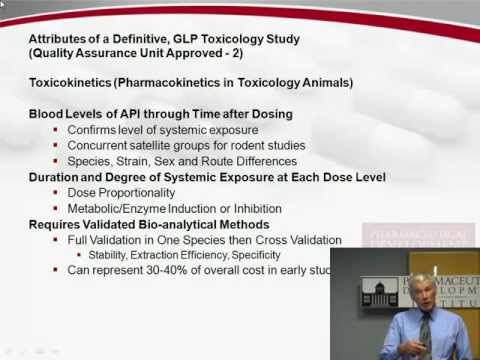
So, let’s break down this whole GLP (Good Laboratory Practice) thing. Basically, GLP is a set of principles to ensure that quality and integrity are maintained in research, especially when it comes to testing how substances affect living organisms. This is super important because the data gathered impacts things like drug approvals or regulations on chemicals.
Now, when researchers conduct GLP toxicology studies, they’re looking to understand how a substance interacts with the body. It’s kind of like having an intense first date where you want to know all about your partner’s quirks—except here, it’s all about figuring out if the substance is safe or harmful.
Key components of GLP toxicology studies include:
- Study Protocol: A detailed plan that outlines how the study will be conducted. It includes everything from what tests will be done to how data will be analyzed.
- Data Management: You can’t just throw data around like confetti! Keeping it organized and secure is essential for reliable results.
- Quality Assurance: This is your safety net. An independent QA team checks everything to make sure the study follows the protocols and regulations.
- Documentation: Proper records are crucial. Think of it as leaving a breadcrumb trail that shows exactly what happened throughout the study.
When talking about compliance with FDA standards, it’s not just about crossing off checkboxes on a list. The FDA wants to see that every step taken during research reflects thoroughness and care. You know those moments when you realize you forgot to send an important email? That’s kind of like not documenting a critical phase in your study—it can lead to big issues down the line.
Take for example one time I heard about a lab conducting its research without proper documentation. They went through all sorts of hurdles later because they couldn’t prove their findings were valid due to missing records! That’s why following GLP guidelines isn’t just recommended; it’s fundamental.
Additionally, there’s this concept known as dose-response relationship which plays a huge role in toxicology studies. Basically, it means understanding how different amounts (or doses) of a substance affect organisms differently. Picture this: if you give someone one tiny sip of coffee, they might feel energized; but if they guzzle down six cups straight? Yikes! A whole different ball game there.
Some real-world implications of this include:
- Simplifying Risk Assessment: When researchers understand dosage effects well, they can better assess risks associated with new drugs or chemicals.
- Aiding Regulatory Approval: Well-documented GLP studies can speed up approval processes because regulators trust verified findings more easily.
In essence, mastering GLP toxicology studies isn’t just some bureaucratic hassle—it’s key for advancing scientific knowledge and ensuring safety in products reaching consumers’ hands. So yeah, next time someone mentions GLP practices in research, you’ll totally get why that’s such an important topic!
Comparative Analysis of GLP and Non-GLP Toxicology Studies: Implications for Scientific Research and Regulatory Compliance
Sure! Let’s break down this topic in a way that’s easy to digest. We’re talking about **GLP** (Good Laboratory Practice) and **non-GLP** toxicology studies. These are like two different paths you can take when examining how substances might affect living organisms.
First off, what’s the deal with GLP? It’s all about consistency and reliability. Imagine you’re baking cookies. If you don’t follow a recipe every time, the cookies will turn out differently, right? GLP sets strict guidelines to ensure studies on things like drugs or chemicals are done in a uniform way. This means all experiments are documented meticulously—who did them, how they did them, and what materials were used.
On the flip side, non-GLP studies can be more relaxed. Researchers aren’t bound by the same rigorous standards. They can be more exploratory like trying out a new cookie recipe without measuring ingredients exactly. This flexibility might allow for innovative approaches, but it can also lead to variability in results.
Let’s dig into why this matters. For regulatory compliance—like getting approval from agencies that oversee safety—you need solid data. GLP-compliant studies often carry more weight because they show that researchers followed best practices throughout their work. It’s kind of like showing your homework was done neatly when presenting it to your teacher!
But non-GLP studies still have their place. Sometimes researchers do them to test ideas quickly without waiting for all those formalities. But if regulatory agencies look at this data, they might raise an eyebrow since it doesn’t meet GLP criteria.
- Quality Control: In GLP studies, there are systems in place to check and balance everything from how samples are stored to how data is recorded.
- Documentation: Every little detail gets noted in GLP studies, making it easier for others to replicate the experiment or audit it later.
- Compliance: Regulatory authorities prefer data from GLP-compliant studies when evaluating safety and efficacy of new products.
Now, here’s where things get interesting: sometimes researchers conduct preliminary non-GLP studies before moving on to the stricter regime of GLP tests. It’s like researching cookie flavors before deciding on a final recipe!
So what does this mean for scientific research? Well, if you’re aiming for that big approval from health authorities, going the GLP route is usually safer and smarter in terms of long-term benefits. But if you’re just starting out or experimenting with cool ideas? Non-GLP could let your creativity run wild.
Ultimately, both types of studies contribute valuable knowledge but serve different roles in research and regulatory frameworks. Balancing rigor with flexibility can lead us toward safer scientific practices you know? So whether you’re baking cookies or conducting toxicology studies—consistency helps create better outcomes over time!
Toxicology might sound like a heavy word, but just think of it as the science of understanding how different substances can affect living organisms. We’re talking about chemicals, drugs, and all those mysterious compounds in our everyday lives. Now, when it comes to making sure these substances are safe before they get anywhere near us, Good Laboratory Practice, or GLP for short, is vital.
I remember this one time in high school when we did an experiment with some chemicals to see how they reacted. It was super cool until we realized that one of them was actually kind of dangerous! Luckily, our teacher had drilled into us the importance of safety and following protocols. I’ll never forget that feeling of relief when she stepped in just in time. You know? That moment made me really appreciate the guidelines that keep us safe.
With advancements in GLP toxicology today, scientists are getting better at figuring out the potential risks associated with new substances long before they hit the market or even make it into a lab setting. One big step forward includes more sophisticated screening methods that can predict how a substance might behave in living systems. We’re talking about computer models and simulations that mimic biological processes. How awesome is that?
Since we can’t always rely on animal testing anymore (and honestly, it’s about time), these innovations help scientists understand toxicity without putting any living creatures at risk. So while you’re out there enjoying your favorite snack or personal care product, there’s a whole world behind the scenes working hard to ensure what you’re using is safe.
And let’s not overlook collaboration here; researchers worldwide share data and findings like never before! This interconnectedness means everyone benefits from each other’s discoveries and mistakes – kinda like a giant team effort in making science safer for everyone involved.
Anyway, as science pushes forward with technology and smarter practices wrapped in good ethics—the hope is for less harmful surprises down the road. It’s all about protecting people and environments while still allowing innovation to flourish. So next time you hear about new products or medications coming out—just know there’s a team of dedicated folks ensuring that safety comes first, learning from past experiences along the way!