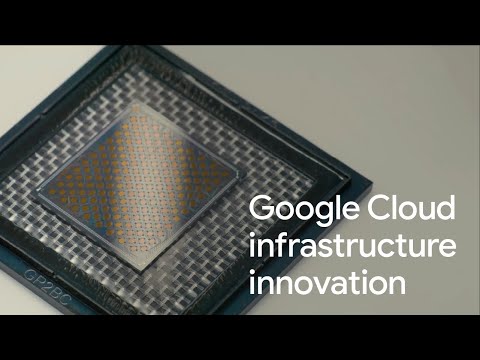
So, picture this: you’re sitting at your desk, with a mountain of data piled up in front of you. It’s like trying to find a needle in a haystack. But what if I told you that there’s this magical cloud floating around—no, not the fluffy kind—that could make your life a whole lot easier?
Yeah, I’m talking about Google Cloud. Seriously, it’s like having a superpower for scientists! You can analyze huge sets of data in the blink of an eye. Imagine transforming all that confusion into trends and insights.
I remember my friend Rachel. She’s a biologist, right? There was this one time she was analyzing genetic data and was totally drowning in spreadsheets. Then she tried out Google Cloud and boom! It was like switching from dial-up to fiber optic internet overnight.
So let’s chat about how harnessing Google Cloud can totally change the game for innovative scientific research. Are you with me?
Exploring the Impact of Google Cloud on Scientific Research: Innovations and Applications
So, let’s chat about how Google Cloud is shaking things up in the world of scientific research. Honestly, it’s kind of a big deal. You might not think about cloud computing when you imagine scientists in lab coats, but the reality is that it’s becoming a crucial part of their toolkit.
First off, let’s consider **storage**. Scientists produce massive amounts of data, whether it’s from telescopes peering into distant galaxies or genetic sequencing machines decoding our DNA. Traditional hard drives just can’t keep up. That’s where Google Cloud comes in. It offers virtually limitless storage, meaning researchers can save and access their work from anywhere—super handy during those late-night study sessions.
Then there’s **computation power**. You know how sometimes you start a task on your laptop and your fan starts whirring like it’s about to take off? That’s because your computer is struggling with the heavy lifting. Google Cloud lets researchers tap into powerful computing resources without needing to invest in supercomputers themselves. This means they can run complex simulations or analyze big data sets more efficiently.
Another cool thing is **collaboration**. Imagine trying to get all your pals together for a group project but then having everyone live across the globe. Using Google Cloud tools like Google Docs simplifies collaboration, allowing scientists to work together in real time no matter where they are. This kind of teamwork can speed up discoveries because ideas flow more freely.
Now, let’s talk about **machine learning**—a buzzword for sure! But what does it mean in research? Well, machine learning algorithms can sift through vast amounts of data faster than any human could ever manage. For example, researchers analyzing climate patterns or predicting disease outbreaks can use these algorithms to identify trends that would be invisible otherwise.
You’ve probably heard about **biomedical research**, right? Schema using Google Cloud helps researchers share data securely while maintaining patient privacy—an absolute must when dealing with personal health information. Plus, with cloud-based applications, experiments are reproducible and transparent—a big win for science integrity!
And don’t forget those **real-time insights**! In fields like astronomy or geology where quick decisions might be crucial (like revealing potential asteroid paths), having instant access to computational resources helps scientists make informed choices rapidly.
Of course, there are some challenges too; data security and managing costs are always concerns when moving to cloud solutions—and figuring out how to train staff on new systems takes time and effort.
So basically, by harnessing tools offered by platforms like Google Cloud, researchers get a way to boost their capabilities significantly! More efficient processes mean faster discoveries and more innovation in science overall—pretty exciting stuff if you ask me!
Unlocking Scientific Potential: Exploring the Google Cloud Innovators Program in Advancing Research and Innovation
The Google Cloud Innovators Program is a pretty interesting initiative, especially when you think about how it aims to boost scientific research and innovation. You know, the thing is, accessing advanced tech can be a game-changer for researchers. With cloud computing, scientists can harness massive computing power without needing high-end hardware in their personal labs.
When we talk about unlocking scientific potential, we’re diving into how tools like Google Cloud can really help make that happen. So here are some key points to consider:
- Scalability: One of the biggest advantages of cloud computing is how easily you can scale your resources up or down. Say you need to run complex simulations or analyze large datasets—Google Cloud lets you do that without worrying about running out of memory or processing power.
- Collaboration: Science has become super collaborative. Researchers from different parts of the world can work together seamlessly using cloud platforms. Imagine two teams analyzing DNA sequences from thousands of miles apart but clicking through the same interface! It’s all possible with tools that let them share data and findings real-time.
- Data Storage: Research often generates enormous amounts of data. Google Cloud provides secure storage options so researchers don’t have to stress about losing their data or managing it on local drives. This way, they can focus more on their work rather than on logistics.
Now, think back to one time when I was working on a research project with some classmates in college. We were trying to model climate change effects using tons of weather and geographical data. We saved our models onto clunky external drives—talk about a headache! Having something like Google Cloud back then would have made our lives so much easier.
Also, let’s touch on another neat aspect: machine learning. The tools available through Google Cloud allow scientists to apply machine learning algorithms to their data easily. This opens doors for new insights that might be buried in layers upon layers of info that humans just can’t sift through efficiently.
In essence, programs like this are paving the way for new discoveries by providing tech that’s flexible and powerful enough for modern research needs. So when we think about advancing research and innovation in science? The Google Cloud Innovators Program plays a role in making those innovations possible with serious tech support behind them!
Unlock Your Potential: Free Google Cloud Innovators Certification in Scientific Computing
Sure thing! Let’s chat about the idea behind unlocking your potential with something like a free Google Cloud Innovators Certification in Scientific Computing. You know, it’s all about making those big computing tools more accessible to curious minds.
So, scientific computing is like the secret sauce that helps scientists tackle major problems using computers. Basically, think of it as a way of running complex simulations or analyzing massive amounts of data that come from experiments. Here’s where cloud computing steps in—it gives you the power to do all this without needing a supercomputer at home.
With Google Cloud, you’re talking about a platform that offers tons of resources for researchers and innovators. Imagine having the ability to store vast datasets securely or run complicated algorithms on demand. That’s what Google Cloud brings to the table; it’s like having an entire lab right on your computer.
Now, let’s break down some key points that show what this certification can do for you:
- Access to Resources: You’ll get hands-on experience with real tools scientists use every day.
- Enhanced Skills: Learning about cloud platforms makes you more competitive in research and tech fields.
- Collaboration Opportunities: Many scientific breakthroughs come from teamwork; with cloud access, sharing becomes seamless.
- Innovative Research: The ability to analyze data quickly can lead to groundbreaking findings.
You might be thinking, “Alright, but how does this translate into real life?” Let’s say you’re studying climate change—you need models and data processing capabilities beyond what your laptop can handle. With Google Cloud, scaling up your computations becomes way easier.
Plus, I once heard a story about a group of students working on an environmental project who utilized cloud computing for their data analysis. They were able to collaborate from different parts of the world in real-time! That kind of innovation isn’t just cool; it could change how we approach serious issues.
Now, getting back to that certification—it doesn’t just teach you how to use these tools but also opens doors for networking opportunities. Who knows? You might end up connecting with someone working on cutting-edge research or even trigger ideas for your thesis!
So if you’re keen on diving into scientific research and want practical skills under your belt without breaking the bank—this certification could be worth considering. Basically, it puts knowledge right at your fingertips and encourages exploration in science across disciplines.
In short, harnessing tools like Google Cloud could make all the difference when it comes to pursuing scientific ideas that matter. And who knows where it might lead? The potential is pretty exciting!
You know, it’s kinda amazing to think about how technology has transformed the way we do science. I mean, just a few decades ago, scientists were buried under piles of paper and complex spreadsheets. Fast forward to today, and boom—cloud computing comes along like a superhero swooping in to save the day.
Take Google Cloud, for instance. It’s not just about storing files; it’s like having a massive digital playground for researchers and innovators. Imagine having access to supercomputing power without needing a huge lab filled with machines that cost more than your car! I remember chatting with a friend who was working on climate change modeling. He said using Google Cloud allowed him to process enormous data sets in a fraction of the time it used to take. Like magic!
The thing is, scientific research often involves tons of collaboration—people from different fields, locations, and even time zones trying to solve problems together. With Google Cloud, sharing data becomes as easy as sending an email. One click, and you’re collaborating with experts halfway around the world! That got me thinking about how interconnected our world is now compared to back in the day when communication meant waiting days or weeks for snail mail.
And let’s not forget about machine learning and artificial intelligence—the real game changers here. Researchers can analyze complex data patterns faster than ever, opening up new avenues for discovery. I remember hearing a story about how some researchers used cloud tech to identify potential new medicines by analyzing existing drugs. Talk about working smarter!
But yeah, it’s not all sunshine and rainbows. There are challenges too—like concerns around data privacy or access inequality among researchers from different backgrounds or countries. It’s crucial that we make this tech available for everyone interested in doing good science.
In summary? Google Cloud isn’t just reshaping the way scientists work; it’s literally changing our understanding of what’s possible in research. It’s exciting stuff! Who knows what groundbreaking discoveries await us thanks to this tech? It feels like we’re standing on the brink of something really big—and that’s pretty inspiring if you ask me!