You know what’s funny? I once tried explaining how my heart works to a friend over coffee, and I totally lost them at “systolic.” Seriously, it was like trying to speak Martian!
But here’s the thing: understanding our body isn’t as hard as it seems. Physiology can be pretty cool, especially when we pull in insights from legends like Guyton and Hall. Their work is like a secret recipe for figuring out how our organs chat with each other.
So, if you’ve ever been curious about why your heart races when you’re nervous or what really happens when you hit the gym, stick around. We’re about to unravel some pretty incredible stuff that’ll make you see your body in a whole new light!
Evaluating Guyton and Hall: An In-Depth Review of Its Value as a Physiology Textbook
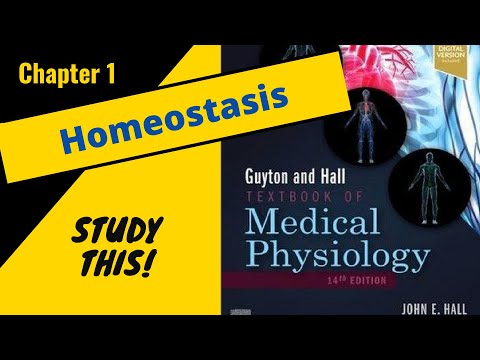
Guyton and Hall’s Textbook of Medical Physiology is like that trusty friend you call when you need advice about the human body. It’s been around for decades, helping students and professionals alike grasp the complexities of physiology. So, what makes it stand out?
First off, let’s talk about the clarity of writing. The authors have a knack for breaking down complex concepts into manageable bits. You know how some textbooks can leave you scratching your head? Not here! They explain physiological processes in a way that feels as if someone is right there with you, breaking it down.
Another key point is its comprehensive coverage. From cellular mechanisms to systemic physiology, this textbook covers a ton of ground. You get to learn how organs interact and work together, which is essential when studying living organisms. For example, take the cardiovascular system: the textbook explains how the heart pumps blood and how this affects other systems in your body.
And let’s not overlook the illustrations. Seriously, they’re lifesavers when you’re trying to visualize structures or processes. There are diagrams that make it easier to understand things like neural pathways or blood flow dynamics without feeling overwhelmed. Those visuals can be game-changers during late-night study sessions.
Now, while Guyton and Hall has a lot going for it, it’s not without its quirks. Some might argue that it’s dense in certain areas. A first-time reader could find themselves lost among all the details if they’re not careful. That said, having those details can be incredibly beneficial as you dig deeper into psychophysiology or pathophysiology topics later on.
Also worth noting is how this book has adapted over time. Each new edition tries to incorporate current research findings and contemporary insights into physiology, keeping it relevant in an ever-evolving field. This adaptability ensures that what you’re learning isn’t just textbook knowledge but something that applies to real-world scenarios too.
In terms of references and citations throughout the text, Guyton and Hall backs up its claims with solid evidence from research studies—a huge plus if you’re looking to understand where each piece of information comes from.
In summary:
- Clear Writing: Makes complex ideas easier to digest.
- Comprehensive Coverage: Serves as a strong foundation across various physiological topics.
- Helpful Illustrations: Aid in visualizing difficult concepts.
- Densities & Quirks: Can be overwhelming for first-timers but rich in detail for advanced learners.
- Current Research Insights: Keeps content fresh and applicable.
So yeah, whether you’re delving into physiological phenomena for school or just curious about how your body works when sprinting after an ice cream truck (classic summer vibes), Guyton and Hall’s insights really help pave the way toward understanding those marvelous systems at play inside us!
Exploring the Applications of Guyton Physiology in Biomedical Research and Clinical Practice
So, let’s chat about Guyton physiology. It’s based on the work of Arthur Guyton, who really shook up our understanding of human physiology. His insights are like the roadmap we didn’t know we needed, especially when it comes to biomedical research and clinical practice.
You might wonder how his theories hold up in real-life situations. Well, for starters, Guyton emphasized the importance of homeostasis—basically, how our bodies maintain balance. This concept helps researchers understand diseases that disrupt this balance. When something goes wrong, it can result in conditions like hypertension or diabetes.
Applications in Biomedical Research:
- Understanding Disease Mechanisms: By exploring how various physiological systems interact, researchers can pinpoint what goes haywire in specific diseases. For example, if you think about heart failure, Guyton’s work sheds light on how fluid balance is crucial.
- Treatment Development: His principles guide scientists as they develop new medications or treatment regimens. Like when clinicians look at kidney function and fluid management together to create better therapies for patients with chronic kidney disease.
- Aid in Designing Experiments: Researchers often use his insights to design experiments that examine how different systems respond under stress, helping them find innovative solutions to medical problems.
The significance of these applications is not just academic; they have real-world implications. For instance, when I was finishing up school, a friend of mine was diagnosed with a rare heart condition. The doctors used principles derived from Guyton’s work to figure out a personalized treatment plan involving adjustments in fluid management—and it made a world of difference for him!
Clinical Practice Applications:
- Patient Care Protocols: Clinicians apply Guyton’s principles while designing care protocols. They take into account the complex interactions between the cardiovascular system and other bodily functions.
- Disease Monitoring: Healthcare providers monitor vital signs through a lens shaped by Guyton’s theories. This helps them track patient progress effectively and make necessary adjustments in treatment plans.
- Crisis Management: In critical care settings, understanding physiological response during emergencies (like shock) relies heavily on Guyton’s framework which allows doctors to act swiftly—literally saving lives!
The beauty here is that **Guyton physiology** doesn’t just sit on dusty bookshelves; it’s active and incredibly relevant! His insights are woven into the very fabric of modern medicine and continue to influence training for healthcare professionals today.
If you think about it this way: every time you see someone getting treated for something ranging from simple dehydration to severe cardiac disorders, there’s a good chance that guy or gal behind those treatments drew some inspiration from Guyton’s work! So next time someone mentions physiology or medicine at a party (because who doesn’t talk shop over drinks?), you’ll know there’s some serious science making waves thanks to Arthur Guyton’s legacy!
Top Physiology Textbooks: Discover the Best Book for Mastering Physiology Concepts
When it comes to mastering physiology, there’s no shortage of textbooks out there. But one name that stands out is Guyton and Hall. Why? Well, they’ve been a staple in the study of physiology for years, offering insights that are both detailed and digestible.
Guyton and Hall’s Textbook dives deep into how our body systems work together to maintain homeostasis (that’s a fancy way of saying balance in the body). It breaks down complex concepts into sections that are easier to understand. Imagine trying to explain how blood flow regulates itself—this book does just that!
The book is structured around key themes. For example:
- Cellular Physiology: You’ll learn about what happens at the cellular level, like how cells communicate and function.
- Organ Systems: Here’s where things get super interesting! You’ll explore each organ system—like the cardiovascular or respiratory systems—and see how they interact.
- Pathophysiology: This part helps you grasp what goes wrong when things don’t operate smoothly. Think of it as troubleshooting your body’s processes.
A little emotional story here: I once struggled with understanding muscle contraction until a friend explained it using a rubber band analogy. Like, when you stretch a rubber band, it wants to snap back into place. Muscles work similarly! Guyton and Hall helps make those connections clearer with visuals and examples.
The writing style is engaging too! It doesn’t talk down to you; instead, it navigates through scientific jargon like it’s guiding you on an adventurous journey—sorta like having an expert buddy by your side.
If you’re thinking about getting deeper into physiology concepts or need a solid reference while studying, Guyton and Hall’s Textbook stands out for its clarity and thoroughness. Plus, it keeps up with new research findings, so you’re always in the loop!
So whether you’re just curious about how your body works or aiming for medical school someday, this book can be a trusty companion on your path to mastering physiology—you follow me?
You know, diving into physiology can sometimes feel like swimming in a deep ocean of complex concepts, but then you stumble across gems that really make it all come together. One of those gems for many folks in the field has been the work of Arthur C. Guyton and John E. Hall. These guys took a giant leap in helping us understand how our bodies tick, and it’s pretty cool to think about.
I remember this one time during biology class when we were studying the cardiovascular system, and our teacher pulled out Guyton’s textbook. She flipped through the pages and exclaimed how Guyton basically changed how we view blood circulation. I mean, he didn’t just throw numbers at us; he painted a picture of how different organs interact with each other in this incredible symphony that keeps us alive. It was one of those lightbulb moments for me—I realized that physiology is more than just memorizing parts; it’s about understanding the rhythm and flow of life itself.
The whole concept of homeostasis, which is like your body’s internal balance act, really shines through their work too. It’s amazing to think about how much effort your body puts into keeping things steady—regulating temperature, blood pressure, or even pH levels! What Guyton and Hall did was break down these processes in ways that felt relatable and digestible. They emphasized that everything is connected—your heart pumps blood to your lungs, your lungs oxygenate that blood, it all feeds into every part of you.
But what really hits home is their passion for teaching. You get a sense they weren’t just interested in facts and figures; they wanted to make physiology accessible to everyone. Their insights encourage curiosity rather than intimidation—and that’s so important! It reminds me of when I first tried explaining complex ideas to my little cousin who always asked bold questions like “Why does my heart race when I run?”
In essence, Guyton and Hall helped us not just understand the ‘what’ but also the ‘why’ behind physiological processes. Their influence continues to ripple through education today because they make these intricate systems feel personal rather than abstract—you can almost feel your own heartbeat as you’re learning about it!
So yeah—when you pick up a book or a study on physiology nowadays, you’re likely walking on paths paved by these two thinkers who dared to dig deeper into the human experience. How cool is it that their insights push the boundaries even further as new discoveries are made? The beauty lies in knowing we’re always learning!