You know what’s wild? Hydrogen is the most abundant element in the universe. Yet, we hardly use it for energy! It’s like having a giant pizza in the fridge and opting for cold leftovers instead.
Imagine one day walking down the street and inhaling hydrogen. Sounds crazy, right? But seriously, it’s already lurking around us, waiting to be harnessed.
Now, here’s where things get really interesting. Hydrogen can transform our energy game. Picture cars running on water vapor instead of fumes. How cool would that be? Plus, it’s got this amazing potential to help us flip the script on climate change.
So let’s chat a bit about H2 chemistry and its role in building a greener future. Buckle up! It might just blow your mind—or at least make you think twice about how we power our lives.
Advancing H2 Chemistry: Paving the Way for a Sustainable Energy Future
Sure, let’s talk about hydrogen chemistry and its role in building a sustainable energy future. So, you know how we’re always hearing about renewable energy sources like wind and solar? Well, hydrogen is becoming a big player in that game too.
Hydrogen, or H2 as some nerdy scientists like to call it, is the most abundant element in the universe. But the thing is, while it can be super helpful as a clean energy source, extracting it can be quite tricky. Most hydrogen today comes from natural gas through a process called steam methane reforming. The problem? It releases carbon emissions that are not great for our planet. That’s where advancing H2 chemistry comes into play.
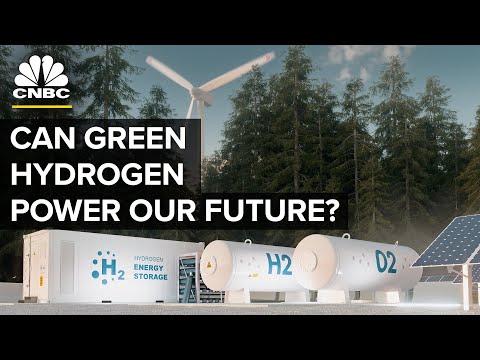
Now, there are cleaner ways to produce hydrogen. For instance, we can use water electrolysis. This process splits water into hydrogen and oxygen by using electricity. If that electricity comes from renewable sources—like solar panels or wind turbines—then you’ve got yourself some seriously green hydrogen! This is sometimes called “green H2” because of its eco-friendly production method.
But here’s where it gets cool: once we have all this hydrogen, what can we do with it? Well, you can use it in fuel cells to generate electricity! Imagine cars powered by fuel cells instead of gas engines. You’d have zero emissions coming from the tailpipe! Plus, fuel cells are pretty efficient at converting energy—much better than your average combustion engine.
So yeah, using H2 could help us transition away from fossil fuels in various sectors like transportation and industry. And let’s not forget storage and transportation of energy. Hydrogen has high energy density compared to batteries; basically meaning you can store more energy in less space.
However, there’s work to be done on making this tech more efficient and cost-effective. Research into catalysts is ongoing. Catalysts are substances that speed up chemical reactions without getting used up themselves—in simpler terms, they help make processes faster or require less energy input.
And speaking of costs—the current price of producing green hydrogen is still relatively high compared to conventionally produced hydrogen. That needs fixing if we want to see a wider adoption in industries and households alike.
But here’s a little uplifting story for perspective: In Germany, they’ve been working hard on integrating green hydrogen into their infrastructure over the past few years. They even have trains running on fuel-cell technology! It shows you how forward-thinking approaches could lead to real-world applications that benefit everyone.
In summary, advancing H2 chemistry is crucial for paving the way toward a sustainable energy future. Whether it’s through cleaner production methods or innovative uses of this element in everyday life—the potential is enormous! So keep your eyes peeled; the future might just run on good old H2 after all!
Advancing the Energy Transition: Integrating Renewable Energy-Driven Green Hydrogen into Future Energy Systems
Alright, let’s chat about renewable energy and green hydrogen because it’s like one of those hot topics that keeps popping up everywhere. So, you probably know we’re in a bit of a pickle when it comes to energy production, right? Fossil fuels are like that friend who overstays their welcome: they were great at first, but now they’re causing some serious problems—climate change being the biggest one.
So, what’s this green hydrogen buzz about? Basically, green hydrogen is produced using renewable energy sources like wind or solar power to split water into hydrogen and oxygen through a process called electrolysis. It’s clean! Seriously, when you use it as fuel, the only byproduct is water vapor. Imagine driving a car and only releasing water—that’s pretty cool!
Now, let’s break down why integrating this into future energy systems is such a huge deal:
- Energy Storage: Renewable energy can be pretty unpredictable—think sunny days vs. cloudy ones. Green hydrogen acts like an energy storage system. When there’s excess renewable power (like on those bright sunny days), we can produce more hydrogen and store it for later!
- Diverse Applications: Hydrogen isn’t just for cars; it can power trucks, ships, even planes! And then there are industries like steelmaking that could switch from coal to hydrogen—making things cleaner across the board.
- Reducing Emissions: The more we rely on hydrogen instead of fossil fuels in various sectors, the more we cut down greenhouse gas emissions. It’s all about making our air cleaner and helping our planet breathe easier.
- Batteries vs. Hydrogen: While batteries are great for short-term storage (like powering your phone), hydrogen shines in long-term situations where you need to store a lot of energy for extended periods.
But here’s the twist: transitioning isn’t just as simple as flipping a switch. There are challenges ahead too!
For starters, we need more infrastructure—like pipelines or refueling stations specifically designed for hydrogen. Plus, there’s the cost factor; producing green hydrogen can be pricier than extracting fossil fuels right now. We gotta find ways to bring those costs down if we want this to take off.
And here’s something interesting: other countries are already running with this idea! Take Germany—they’re investing heavily in green hydrogen projects and paving their own path toward a sustainable future.
Now picture this: you’re standing at a gas station where instead of filling up with gasoline, you’re filling up with hydrogen made from clean energy sources! It’s exciting to think how these developments could reshape our environment for future generations.
So yeah, integrating renewable-energy-driven green hydrogen into our systems might sound complex (and trust me it gets technical!), but it really holds potential, not just as an alternative fuel but as part of an essential evolution in how we approach energy overall.
In the end, while there might be hurdles along the way—and some serious engineering challenges ahead—we’ve got an opportunity here to create something impactful and sustainable if we tackle these issues together. Isn’t it nice thinking about leaving behind something better for future folks?
Critical Perspectives on Green Hydrogen: Paving the Way for Energy Transition in Science
Green hydrogen has been generating a lot of buzz lately, and for good reason! It’s being touted as a key player in the shift towards cleaner energy. But, there are some critical perspectives we should chat about. Let’s break it down a bit.
First off, what is green hydrogen? In simple terms, it’s hydrogen that is generated using pure water and renewable energy sources like wind or solar power. Unlike its counterparts produced from fossil fuels, it doesn’t emit carbon dioxide when burned. That sounds great, right? Well, sort of.
One reason to take a closer look at green hydrogen is its production efficiency. Making green hydrogen is currently pretty energy-intensive. The process of splitting water into hydrogen and oxygen through electrolysis requires a lot of electricity. If that electricity isn’t sourced from renewables, you might be unintentionally creating emissions anyway. So yeah, it’s crucial to ensure that the energy powering this process is genuinely green.
Another thing to consider is the infrastructure challenge. You can produce all the green hydrogen in the world, but if there’s no system to store or distribute it effectively, it won’t do much good! Right now, many places don’t have the necessary pipelines or storage facilities designed for hydrogen transport. They were built with natural gas in mind. Imagine trying to fit an octopus into a shoebox; it’s just not gonna work without some major changes!
And let’s talk about safety concerns. Hydrogen is highly flammable and can be tricky to handle compared to other fuels we use daily. There’s been some real-life drama with hydrogen leaks causing explosions in certain projects. Remember the Hindenburg disaster? While modern technology has come a long way since then, it does raise eyebrows about how safe this shiny new fuel really is.
Now you might think about costs. The current price tag for green hydrogen can be pretty steep compared to traditional fuels made from fossil sources. This isn’t just about producing it; storage and distribution drives costs up too! Industries are still figuring out how to make it viable on a large scale without burning wallets in the process.
In terms of applications, you might be wondering where green hydrogen fits in our world today. From powering vehicles to heating homes or even feeding into power grids—green hydrogen has potential everywhere! However, industries have been slow at adopting this tech because of those pesky costs and infrastructure issues we just mentioned.
But keep your chin up! Governments and companies are finally recognizing these challenges and investing heavily in research and development efforts. Some countries are aiming for ambitious targets—like going 100% renewable in their energy systems within decades—which could push green hydrogen further into the spotlight.
So ultimately, while it looks like green hydrogen could pave the way for a sustainable energy future—and I mean who wouldn’t want cleaner air?—there’s definitely more than meets the eye here. Balancing all those factors and making informed choices will be key as we navigate this promising yet complex landscape together.
So keep your eyes peeled for updates on this one; it’s sure gonna be an interesting ride ahead!
Hydrogen, huh? It’s kind of like that friend who always gets overlooked at parties but has a ton of potential. When it comes to energy, H2 is really making waves. I mean, think about it: we’re constantly looking for cleaner and more sustainable sources of energy, right? Hydrogen stands out because it’s super abundant and can be used in several ways to power our lives.
Just the other day, I read about how hydrogen is gaining traction as a clean fuel. It can be burned to create energy, or even better—it can be used in fuel cells to generate electricity without producing any harmful emissions. Imagine driving around in a car powered by hydrogen: you’d basically just emit water vapor! How neat is that?
But here’s the thing—it’s not all sunshine and rainbows. There are some challenges we need to tackle if we want hydrogen to really take off. For starters, producing hydrogen can be pretty tricky. Most methods today rely on fossil fuels, which defeats the purpose of going green in the first place. So scientists are racing against the clock trying to come up with cleaner ways to produce it, like using renewable energy sources to split water into hydrogen and oxygen. It’s like trying to make your favorite smoothie but swapping out those sugary ingredients for healthier options instead.
And then there’s storage and transport—it’s kind of a puzzle too. Hydrogen is the lightest element out there, so keeping it safe and efficient during transportation is complicated. It’s like trying to carry a balloon without letting it float away!
I remember a few years ago when I visited this energy conference where people were bubbling with excitement about breakthrough technologies in hydrogen chemistry. It was contagious! The way everyone was sharing ideas felt almost electric, like you could feel the future humming just beneath the surface.
Advancing H2 chemistry isn’t just about making this gas the next big thing; it’s about creating a sustainable future where our planet doesn’t suffer from pollution or dwindling resources. So next time you hear someone mention hydrogen energy, you’ll know there’s a whole lot bubbling beneath that surface! Who knows? One day soon, it might just be our ticket toward a cleaner planet!