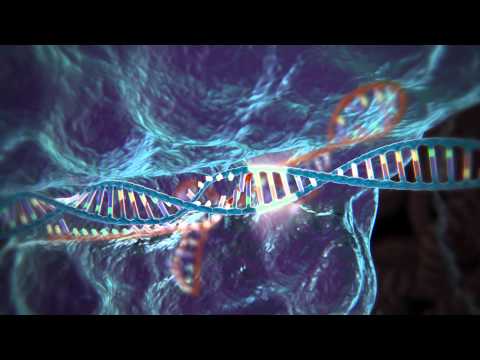
So, picture this: you’re chilling with friends, and someone mentions CRISPR. Suddenly, everyone’s talking about gene editing like it’s the latest fashion trend. It’s a wild scene, right?
But honestly, what does that even mean? Well, that’s where things get super fascinating. We’re talking about advancements in high gene research that could totally change how we think about health, disease, and even our food!
It’s like opening up a science fiction movie script but in real life. The possibilities are endless! Seriously, the stuff scientists are doing these days is mind-blowing. And hey, it raises some questions too. What does it all mean for us?
Stick around; you might just find yourself hooked on this high-tech genetic journey!
Exploring the Impact of Genetic Research Advancements on Scientific Progress and Human Health
So, let’s jump into the world of genetic research advancements and the impact they’ve had on science and our health. You might be surprised at just how much things have changed over the years. It’s like we’ve gone from barely scratching the surface to diving headfirst into a vast ocean of possibilities!
Genetic Sequencing has been a game changer. Remember when sequencing an entire human genome took years and cost millions? Now, thanks to technologies like next-generation sequencing, you can get it done in just a few days for a fraction of the price! But what does this mean for us? Well, think about personalized medicine. Doctors can now tailor treatments based on your unique genetic makeup. If you have a family history of certain diseases, they might suggest preventive measures or specific therapies that could work better for you. It’s like having a custom-made health plan!
Then there’s CRISPR technology, which sounds like something out of a sci-fi movie but is very real and incredibly exciting! This tool allows scientists to edit genes with great precision. Imagine being able to snip out faulty parts of DNA that cause diseases. Crazy, right? Such advancements could potentially lead to cures for genetic disorders that were once thought incurable.
Now, you may ask if all this is completely safe. Well, that’s where things get tricky! With great power comes great responsibility. There are ethical concerns that scientists continually grapple with—like how far we should go in editing genes, especially in embryos. Should we play around with nature? You know what I mean? It’s definitely something we need to think about seriously.
Another area making waves is gene therapy. This approach aims to treat or even cure diseases by introducing healthy genes into cells where they’re missing or defective. For instance, patients with certain types of inherited blindness are showing improvements after receiving gene therapy treatments! Can you imagine seeing your loved ones again after years in darkness? Just amazing!
And let’s not forget about the role genetics plays in understanding complex conditions like cancer or diabetes. Researchers are learning how specific gene mutations contribute to these diseases. This knowledge helps in early detection and opens doors for more effective treatments—and who doesn’t want that?
But here’s something you might not think about as often: genetic research has also fueled advancements in fields like agriculture! Food scientists are using genetic insights to develop crops that are more resistant to pests and environmental stressors—like droughts—which is crucial as our planet faces climate change challenges.
In short, advancements in genetic research are reshaping scientific progress and human health dramatically—not just through new treatments but also by challenging our understanding of life itself! And as exciting as this journey is, it requires us to stay curious and informed about the possibilities and pitfalls ahead.
So whether it’s through personalized medicine or groundbreaking technologies like CRISPR, these advances really do matter—bringing hope for healthier lives while opening up discussions about ethics along the way!
Exploring the Latest Advancements in Gene Editing: Breakthroughs and Future Potential in Science
The field of gene editing is seriously buzzing with excitement these days. If you’ve been keeping tabs on it, you probably heard about CRISPR, right? It’s not just a trendy name; it’s like the Swiss Army knife of genetics. This tool lets scientists make super precise changes to DNA, and honestly, it’s pretty mind-blowing what they’re doing with it.
Breakthroughs in Gene Editing
So, what kind of breakthroughs are we talking about? Well, here are some cool highlights:
- Gene Therapy: Scientists are using gene editing techniques to treat genetic disorders. Imagine having a condition that could be fixed at the genetic level! For example, researchers have made strides in treating certain types of inherited blindness.
- Crop Improvement: On the agricultural side, gene editing allows for the creation of crops that can withstand harsh conditions like drought or pests. It’s like giving plants superpowers! Think about rice or corn that can grow where they normally couldn’t.
- Disease Research: Another fascinating area is using these tools to study diseases. By editing genes in lab models, scientists can simulate diseases and test new treatments much more efficiently.
It’s wild to think about how these advancements impact our everyday lives. Just recently, I was chatting with a friend who has a family history of sickle cell anemia. He was telling me how gene therapy might one day offer solutions for people like him—a possibility that wasn’t even on the radar a decade ago.
The Future Potential
Looking ahead, the potential seems endless. Imagine if we could not only cure genetic diseases but also prevent them from happening in the first place! Some researchers are already thinking big: what if we could edit genes in embryos? That’s definitely a hot topic—some people see it as pioneering while others worry about ethical implications.
- Ethical Considerations: As we venture into more powerful territory with gene editing, ethical conversations are crucial—especially around modifying human embryos or “designer babies.” Everyone has an opinion!
- Sustainability: With climate change being such a huge deal right now, there’s hope that gene editing can help in creating more resilient plant varieties that need fewer resources.
- Personalized Medicine: There’s also talk about tailoring medicine based on your genetic makeup. Basically, treatments could be customized just for you!
Just think back to when you were at school learning about genetics—the idea that they’d actually be changing those tiny codes seemed like something out of science fiction! But here we are.
In short, exploring gene editing feels like peering into a treasure chest of possibilities and challenges all rolled up together. Each advancement brings us closer to understanding the very fabric of life itself while also nudging us to ponder our responsibilities as stewards of this technology. And who knows? The next big breakthrough might just be around the corner!
Exploring Recent Breakthroughs in Gene Therapy Research: Two Notable Developments Shaping the Future of Medicine
Gene therapy is like a superhero in the world of medicine, swooping in to fix genetic disorders. And recently, we’ve seen some remarkable breakthroughs that could change lives for the better. Let’s chat about two standout developments that are really shaping things up.
1. CRISPR and Sickle Cell Disease
So, let’s start with CRISPR. You’ve probably heard about this nifty tool that lets scientists edit genes, right? Well, researchers have been using it to tackle sickle cell disease—a condition where red blood cells are misshapen and can cause various health issues. Imagine trying to fit a square peg into a round hole; that’s what these cells do inside your body!
In a recent study, patients received a treatment involving CRISPR-Cas9 technology where their own bone marrow stem cells were modified to create healthy blood cells. The results? Many patients experienced significant improvements in their symptoms! It’s like going from feeling constantly tired and sick to having more energy and vitality. How amazing is that?
2. Gene Therapy for Blindness
Now let’s shift gears and talk about blindness caused by specific genetic mutations. There are these rare conditions, like Leber congenital amaurosis (LCA), which can lead to severe vision loss or even blindness from birth. But here comes another breakthrough! A gene therapy called Luxturna was developed as a treatment for LCA.
The cool part is that doctors can actually deliver a normal copy of the gene directly into the retina using an injection! It’s like someone handing you glasses when you’ve been squinting for years—it can restore vision for some people! Clinical trials showed that many patients had improved sight after getting this therapy; some could even recognize faces or read letters they couldn’t see before.
The Bigger Picture
These advancements are not just impressive individually; they show us how far we’ve come in understanding our genes and fixing problems right at their source. In the future, who knows what other conditions we might tackle? From inherited diseases to perhaps even certain cancers, gene therapy could become a staple in modern medicine.
But it’s essential to remember: with great power comes great responsibility. Ethical considerations around gene editing will need careful thoughts because tampering with DNA isn’t something we take lightly.
Looking ahead, it’s thrilling to think about how these breakthroughs in gene therapy could redefine treatment approaches across various medical fields. Seriously, the next few years might just be heart-pounding as researchers unleash their creativity—so keep your eyes peeled!
You know, the world of gene research has been buzzing lately, and it’s honestly pretty mind-blowing. I mean, just think back to when we were kids—some sci-fi movie would show us crazy ideas about genetic engineering and we’d roll our eyes, right? But now it’s like we’re living in that sci-fi dream! The advancements in high gene research are changing the way we understand life itself.
Take CRISPR for example. That nifty little tool allows scientists to edit genes with unbelievable precision. It’s almost like having a word processor for DNA! Can you imagine? You could fix mutations that cause diseases or even enhance certain traits. Picture a world where genetic disorders are a thing of the past—how cool would that be? But then there’s the flip side. You have to wonder about ethical implications, too. Do we really want to start playing God with our genes? It kinda gives you shivers thinking about how that could all play out.
A while ago, I visited this lab where they were working on gene therapy for rare diseases. Seeing those researchers super focused, running tests and analyzing data, felt like walking into the future. Their hope and determination were contagious; it was hard not to feel inspired by what they were doing! Yet, as they talked about their breakthroughs, I couldn’t help but squirm a little at the “what-ifs.” The thin line between curing diseases and creating designer babies suddenly felt very real.
Then there’s the whole conversation around biodiversity. On one hand, tweaking plants to make them resistant to pests could mean less chemical use and healthier crops. But on the other hand, what happens if we create a monoculture because everyone’s trying to replicate success? Like removing natural variations from ecosystems—it sounds risky!
So basically, while advancements in high gene research promise incredible benefits, our future depends on how we navigate these uncharted waters. It’s exciting and terrifying all at once! It’s going to take a lot of collective thinking to ensure we’re moving forward responsibly—not just scientifically but ethically too. And hey, it makes you realize how connected we all are in this big ol’ journey called life!