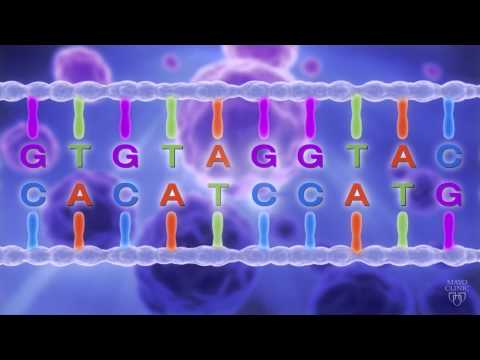
So, picture this: you’re at a party, right? And someone brings up genes—not those in your jeans, but the ones that make you, well, you! Suddenly, the room gets quiet. Everyone leans in. It’s like we’ve found the universal mystery that connects us all.
You know what I mean? Genes are kind of a big deal. They hold secrets about who we are and even hint at what we could become. Imagine being able to read those secrets like some futuristic novel!
That’s where things get interesting: decoding our genetic sequence. It sounds fancy and high-tech but stick with me here! What if understanding this code could lead to breakthroughs we can’t even dream of yet? Seriously, it’s not just science fiction anymore.
And trust me when I say it has the potential to change everything—from medicine to food production. So let’s dig into this fascinating world of genes and see what future innovations might be hiding in there!
Comprehensive Guide to the Human Genome Project: Downloadable PDF Resources for Scientific Research
The Human Genome Project (HGP) was like a giant puzzle, you know? Scientists from around the world teamed up and worked together to decode our genetic blueprint. Launched in 1990, it aimed to map all 3 billion base pairs in human DNA. It’s wild to think that just over two decades later, we had successfully sequenced the entire human genome!
What is the Human Genome?
Think of the genome as a book of instructions for building and maintaining a human being. It contains genes, which are segments of DNA that tell our cells how to make proteins. These proteins perform all sorts of functions in our bodies—like building tissues or speeding up chemical reactions.
Key Goals of the Project:
The project wasn’t just about sequencing DNA; it had broader goals too:
Speaking of ethical issues, I remember reading about how some families were concerned about privacy regarding their genetic information. That kind of worry makes sense when you think about the implications. Like, how would people feel knowing their health data could be out there?
The Results:
So what did we get from this massive effort? For starters, by mapping our genomes, researchers now have a valuable resource for understanding diseases better. Knowledge is power! For instance:
The Future Looks Bright:
With everything we’ve learned from the HGP, it’s exciting to think about what’s next! Innovations like gene editing tools (hello CRISPR!) have emerged from this foundation. These technologies allow us to alter genes directly—so if there’s a faulty gene causing disease, it might be possible to fix it.
If you’re diving deeper into scientific research on this topic or looking for resources, there are loads of downloadable PDFs and databases available online. You can find materials through sources like:
These resources often contain research papers and detailed analyses that could help anyone interested in genomics or related fields.
To sum things up: The Human Genome Project has significantly impacted not just medical science but also how we view ourselves as humans. It has opened doors to innovations around health treatment and our understanding of genetics.
Pretty powerful stuff when you think about it! How far we’ve come with decoding our gene sequence is nothing short of incredible—and it’s only going to get more interesting from here!
Advancements in Genomics: The Impact of the International Human Genome Sequencing Consortium on Modern Science
The field of genomics has taken some huge leaps in the past few decades. The work of the International Human Genome Sequencing Consortium (IHGSC) has been a **game changer** in understanding our genetic makeup. Imagine this: before their efforts, it was like trying to read a massive book with the pages all jumbled up. Now, thanks to them, we’ve got a pretty solid copy of that book!
So what did they actually do? Well, they embarked on this massive project to sequence the entire human genome, which is basically all the genetic material in our cells. This was no small task! It took over a decade—from 1990 to 2003—and involved scientists from around the globe. They worked together to crack the code of more than 3 billion DNA base pairs that make up our genes.
One major impact of their work is how it has opened doors for medical advancements. Let’s say you find out you have a family history of a certain disease. Because we can now analyze your genome, doctors can look for specific genetic markers that could indicate your risk for that disease. It means being proactive about health instead of just reactive!
And here’s where it gets really interesting: by decoding these genomes, researchers are uncovering how various genes interact with each other and with our environment. Like, if you’ve ever wondered why some people can eat whatever they want and not gain an ounce while others just look at cake and gain weight, that’s genomics at play! It helps us understand things like metabolism and even how we respond to medications.
Another super cool aspect is personalized medicine. Imagine getting treated for an illness not just based on symptoms but tailored specifically to your unique genetic code! This is becoming increasingly possible because of genomic research which means better outcomes for patients overall.
Moreover, genomics isn’t limited to human health alone. Agricultural sciences are also benefiting big time! Scientists are using genomic techniques to develop crops that can withstand pests and diseases or thrive in harsher climates due to climate change.
While all these advancements sound awesome—and they are—there are still challenges and ethical considerations we need to keep talking about. Issues around privacy when it comes to genetic data and potential discrimination based on one’s genomic information must be tackled carefully.
In short, thanks to the hard work of IHGSC and ongoing research in genomics, we are unlocking secrets about human biology every day! The implications? Endless innovations in health care, agriculture, and beyond await us as we continue decoding this fascinating story written in our DNA.
Exploring the Human Genome Sequence: Advances in Genomics and Their Impact on Modern Science
Sure, let’s chat about the human genome sequence and what it means for science today. You might have heard the term “genomics” thrown around a lot lately. This field is basically about studying the complete set of DNA in a person, including all their genes. It’s like reading a massive instruction manual that tells our bodies how to work.
So, what’s the big deal about decoding this genome? Well, in 2003, scientists completed the Human Genome Project. This was a monumental effort where they mapped out over three billion base pairs—the building blocks of DNA. Imagine trying to read and understand a book with three billion letters!
Now that we’ve got this sequence, researchers can figure out how certain genes influence health and disease. For example,
If someone has a specific mutation, doctors might suggest preventive measures or tailored treatments. It’s like having a personalized roadmap for health!
Also, genomics isn’t just for medicine. It’s used in agriculture too! By understanding plant genomes better, scientists can engineer crops that are more resistant to pests or climate change. Can you believe that? In many ways, it helps us feed the world better.
Another cool thing is genetic testing. You know those home test kits you see advertised? They analyze your DNA and provide insights into your ancestry or even your predisposition to certain conditions. While this sounds neat—and it is—it’s super important to approach these tests with some caution because they don’t give you the whole picture.
But here’s where things get tricky: ethics come into play. With all this info on our genes floating around, questions pop up regarding privacy and genetic discrimination. What if an insurance company finds out about a potential disease risk? It gets complicated quickly!
In summary, exploring our genome has unlocked some incredible advances in modern science. It’s paving the way for breakthroughs in medicine and beyond but comes with its own set of challenges too.
So there you have it! The human genome sequence is kind of like this treasure trove of information waiting to be explored further—and who knows what we’ll discover next!
So, let’s talk about decoding the human gene sequence. It’s one of those topics that, at first glance, sounds super complicated—like, sci-fi movie complicated. But stick with me here; it’s pretty cool once you get into it.
Imagine sitting under a huge oak tree on a sunny afternoon. You’re sipping lemonade with a friend, and they start sharing stories about their family history. You learn about your great-grandparents’ quirks and traits that seem to run through the generations. That’s kinda how genetics works! Our genes are like a long storybook that contains instructions for who we are—everything from our eye color to how our bodies fight off diseases.
The human genome is this massive puzzle made up of over three billion DNA letters, or base pairs, which you can think of as tiny building blocks. When scientists first mapped the whole human genome back in 2003, it was like unlocking the door to a treasure chest filled with secrets about ourselves. With this map in hand, researchers can explore everything from rare genetic disorders to more common issues like diabetes or heart disease.
Here’s the thing: understanding our genes isn’t just for scientists in lab coats anymore; it has real-world applications that can change lives! Picture someone who’s been struggling with an illness for years. They might find out their condition has a genetic component. With that knowledge, doctors could tailor treatments specifically for them—kind of like having your own personalized medicine!
But there are challenges too. Like when you find an old family recipe but you can’t quite read Grandma’s handwriting—it takes time and effort to decode those details. Sometimes researchers hit roadblocks when trying to figure out why certain genes act in unexpected ways or how they interact with each other.
And then there are ethical dilemmas! We have to tread carefully because as we unlock more secrets about our DNA, questions arise about privacy and ownership of genetic information. Plus, what if someone uses this information irresponsibly? It gets murky fast.
Just last week I had this conversation with my friend Mia who is studying bioethics. She was sharing how advancements in genetic research could lead us into fascinating (and sometimes scary) territory—the potential for designer babies or gene editing brings up big questions about what “normal” should be.
In short? Decoding the human gene sequence opens doors to amazing innovations while also reminding us we need to keep our humanity front and center as we walk down this path together. It’s exciting stuff! And who knows what discoveries lie ahead? Just makes you want to buckle up for the ride!