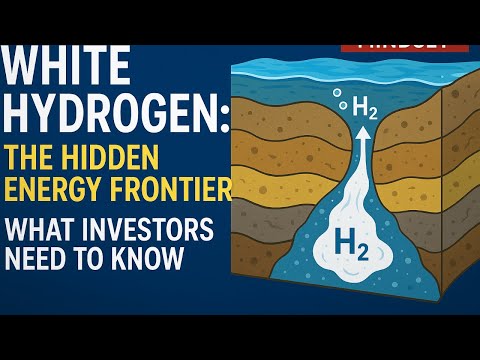
Did you know that hydrogen is the most abundant element in the universe? Seriously, it’s everywhere! Yet, we hardly think about it.
Picture me at a barbecue last summer, chatting with friends about how cool it would be if we could power our cars with… water. I mean, who wouldn’t want that? Turns out, hydrogen is the secret sauce behind that dream.
Now, imagine a world where our energy sources are clean and sustainable. No more worrying about pollution or running out of resources! Hydrogen could be the key to that future.
So, what’s all this buzz about harnessing hydrogen? Let’s break down this fascinating stuff together. You might just find yourself excited about the next frontier in clean energy!
Harnessing Hydrogen: Exploring the Next Frontier in Clean Energy Innovation
Hydrogen energy is, like, a super hot topic these days, right? It’s popping up everywhere as we look for ways to cut down on the mess we’re making of our planet. So what’s the deal with hydrogen? Why are people buzzing about it? Well, mainly because it has some pretty great potential as a clean energy source.
First off, hydrogen is light and abundant. In fact, it’s *the most abundant element* in the universe! But here’s the catch: on Earth, it typically hangs out with other elements, like oxygen in water. To use hydrogen as fuel, we have to extract it. This process can be done in a few different ways, but let’s break down a couple of the big ones you might hear about.
1. Electrolysis: This method involves using electricity to split water into hydrogen and oxygen. If that electricity comes from renewable sources like solar or wind power, then we’re talking about truly green hydrogen! It’s kind of like magic—turning sunlight or wind into fuel.
2. Steam Methane Reforming (SMR): This is currently the most common technique for producing hydrogen. Basically, it uses natural gas and high-temperature steam to separate hydrogen from carbon dioxide and methane. But here’s where it gets tricky; while it’s cheaper now, SMR creates greenhouse gases in the process. So that’s something we need to keep in mind.
Moving on to why this matters. Hydrogen can be used for lots of things! You got your fuel cells that turn hydrogen back into electricity—this could power cars or buses without spewing out harmful emissions. Imagine cruising around in a car that only releases water vapor! Plus, they could be used for big stuff too: think heavy-duty trucks or even ships.
Then there are industrial applications. Hydrogen is already used in making ammonia for fertilizers and refining petroleum products. Shifting these processes to greener practices involving clean hydrogen could drastically reduce emissions from some notorious polluting industries.
But there are challenges too! One issue is how we store and transport this stuff; you can’t just scoop up some hydrogen and throw it in your tank—it needs special handling since it’s super flammable and requires high pressures or low temperatures for storage.
Also, while we have tons of potential renewable sources to make clean hydrogen through electrolysis, scaling this up can take time and money—both valuable resources when you’re trying to transition quickly towards greener energy solutions.
The bottom line? Hydrogen is basically a key player in the clean energy game moving forward. While there are hurdles to leap over—like cost efficiency and infrastructure issues—the promise of this element keeps scientists innovating and pushing boundaries every day. The dream of a cleaner future seems more possible than ever when you look at its potential! Exciting times ahead!!
Harnessing Hydrogen: Exploring the Next Frontier in Clean Energy Solutions
Hydrogen is kind of a big deal when it comes to clean energy solutions, and here’s why. Imagine a world where we can power our cars, heat our homes, and even run factories without spewing carbon dioxide into the air. Yup, that’s the dream, and harnessing hydrogen could play a huge role in making it a reality.
So, what’s the deal with hydrogen? Well, it’s the most abundant element in the universe, which is pretty cool on its own. It doesn’t exist freely on Earth but is instead bound up in water or organic materials. By splitting water into hydrogen and oxygen through a process called electrolysis, we can unlock this mini-powerhouse. Just think about that! Clean fuel right from water.
Now, let’s break down some key things about hydrogen energy:
- Clean Energy Source: When you burn hydrogen or use it in fuel cells to generate electricity, the only byproduct is water vapor—no harmful emissions!
- Versatile Fuel: Hydrogen can be used for many purposes: powering vehicles (like cars and buses), heating homes, and even as an industrial feedstock.
- Storage Solution: One of the struggles with renewable energy sources like wind or solar is storing that energy when we don’t need it. Hydrogen can act like an energy storage system by packing up excess power for later use.
- Transport Options: Hydrogen can be transported through pipelines or used in tanks for delivery to places where it’s needed—like gas stations for fuel cell vehicles.
You might wonder how this all works practically. Picture this: you’ve got a solar farm generating loads of energy during sunny days… but what happens at night or on cloudy days? If we use that extra solar power to convert water into hydrogen during peak sunlight hours, we’ve got ourselves a stash of clean fuel ready to go when it’s dark out.
But hold on! The technology isn’t perfect yet. There are challenges we need to tackle too. For instance:
- Production Cost: Making hydrogen via electrolysis is still kind of pricey compared to fossil fuels.
- Infrastructure Gaps: We don’t have enough refueling stations set up yet for widespread adoption of hydrogen-powered vehicles.
- Sourcing Clean Energy: To truly make hydrogen green, the electricity used in electrolysis needs to come from renewable sources; otherwise, you’re just shifting pollution around.
Now here’s something that hits home for me: I once met someone whose business relies heavily on fossil fuels. They were really excited about switching over to hydrogen because they want their kids to inherit a cleaner planet. It was inspiring! This personal perspective shows how vital it is for us all – not just scientists – to push forward with alternatives like hydrogen.
In short, harnessing hydrogen could reshape how we think about energy production and consumption completely. From being an eco-friendly fuel source with lots of potential applications to offering solutions for storage issues faced by renewables—hydrogen could definitely be part of our future energy landscape!
And while there are obstacles ahead, the progress being made gives hope that one day soon we might just be living in that cleaner world we’ve dreamed about!
Harnessing Hydrogen: Pioneering Clean Energy Solutions for a Sustainable Future in 2022
Hydrogen is becoming a hot topic these days. Seriously, it’s like the cool kid on the block of clean energy solutions. So, why all the buzz? Well, this element is super versatile, and its ability to produce energy without any nasty emissions is kind of a big deal for us trying to combat climate change.
First off, let’s talk about how hydrogen works. When you burn hydrogen or use it in fuel cells, it reacts with oxygen and—SURPRISE!—the only byproduct is water vapor. Yup, that’s right. No carbon dioxide, no harmful pollutants. Just pure H2O. That’s a major win for clean air!
You might be thinking: “Okay, but how do we get this hydrogen?” There are a few ways to produce it. The most popular method right now is called steam methane reforming. But this process emits CO2 since it typically uses natural gas as a source. So yeah, not perfect yet. However, there’s also something called electrolysis, where you split water into hydrogen and oxygen using electricity—ideally from renewable sources like wind or solar—and boom! Clean hydrogen.
But producing clean hydrogen isn’t enough. We need to think about how we store and transport it. Hydrogen can be tricky because it’s the smallest molecule out there! Think of it as that friend who always escapes when you try to hold on too tight. One way to store it is by compressing it into high-pressure tanks or even liquefying it at super low temperatures—which requires quite a bit of energy itself.
Now let’s take a look at its uses. Hydrogen can power everything from cars to buses, ships even airplanes! So imagine driving around in your car that only emits water vapor instead of exhaust fumes—it sounds like something out of a sci-fi movie! Some companies are already working on hydrogen fuel cell vehicles (FCVs), which use hydrogen to generate electricity onboard.
There’s also the idea of using hydrogen in heavy industries like steelmaking. Traditional methods rely heavily on coal and emit loads of carbon dioxide. Switching to hydrogen could reduce these emissions significantly—like turning down the volume on climate chaos!
However, challenges remain for making hydrogen mainstream. The production costs need to come down significantly so that it’s economical compared to other energy sources. That’s where research and government support come in handy! Investing in infrastructure for production and distribution will also play a massive role in making this green dream come true.
In 2022 and beyond, countries around the world are ramping up their efforts to harness this potential powerhouse for sustainable energy solutions.
It seems we’re heading toward an era where clean energy can actually become mainstream—and doesn’t that sound pretty awesome?
So yeah, while we’re still figuring out some kinks in production and distribution logistics, harnessing hydrogen has the potential not just to change how we power our lives but also protect our planet’s future as well.
You know, when you think about energy, hydrogen isn’t usually the first thing that pops into your mind, huh? It’s like one of those invisible superheroes hiding in plain sight. For ages, we’ve been crunching numbers and spilling coffee over fossil fuels and solar panels, but hydrogen? It’s been lurking in the background, waiting for its moment to shine.
I was at a barbecue the other day—friends laughing, kids running around—and someone started chatting about their electric car and how great it was to drive without gas. Then it hit me: what if your car could run on water? Sounds like a sci-fi movie plot! But the thing is, with hydrogen fuel cells, that’s becoming more of a reality. Basically, you take hydrogen gas and mix it with oxygen from the air. The result? Energy! And all that’s left over is water vapor. So clean!
But hey, let’s not sugarcoat it—there are hurdles we still have to get over. For starters, producing hydrogen isn’t exactly like baking cookies; it can take a lot of energy to make it in the first place! Most of our current methods involve natural gas—which defeats our clean energy goal—so we’re on a quest for greener ways to extract it. Electrolysis sounds fancy, doesn’t it? It splits water into hydrogen and oxygen using electricity… ideally from renewable sources like wind or solar.
I remember watching my younger sibling trying to build a volcano for their science project once. They mixed baking soda and vinegar and freaked out at how well it bubbled up! That kind of enthusiasm is what we need for hydrogen too – making science fun while figuring out how to move forward sustainably.
Then there’s transportation—you can’t just stick hydrogen in your gas tank without some serious safety measures; handling gases in general can be tricky business. We gotta make sure our infrastructure can support this shift too; think big tanks and pipelines kind of tricky.
But picture this: cities bustling with vehicles powered by clean energy sources instead of choking on fumes. Drives with friends where you could actually enjoy breathing fresh air instead of dodging smog—it makes me feel hopeful!
The potential is huge if we get our act together! So many scientists are hard at work tackling these challenges while others are exploring innovative applications—from powering homes to heavy industries. There’s an excitement in air right now as we inch closer towards harnessing this powerful element.
In short, while there’s still a long way to go before hydrogen becomes the energy hero we need right now—it feels good knowing that we’re on this path toward cleaner alternatives. Just thinking about how much cleaner our world could be gives me goosebumps! Hope always comes from a little spark—just like what happens when you mix hydrogen with oxygen!