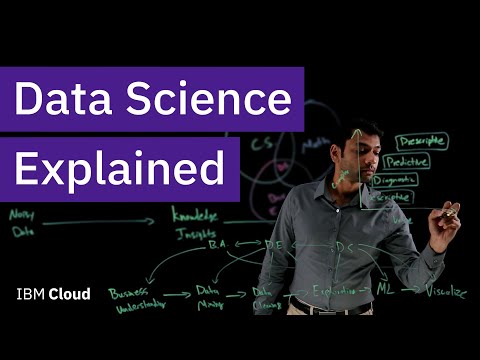
You know those days when you’re knee-deep in data, and it feels like trying to find a needle in a haystack? Yeah, I’ve been there.
Picture this: you’re wrangling with spreadsheets, coding like a mad scientist, and suddenly, bam! The answer to your big research question just pops out.
That’s the magic of data science. It’s like turning chaos into clarity, and trust me, it can be pretty exhilarating when you get it right.
Now, enter IBM’s awesome Python tools. They’re not just some fancy software; they’re like the Swiss Army knife for researchers diving into the world of data.
So grab your favorite drink, and let’s chat about how these tools are shaking things up in research. It’s gonna be fun!
Exploring the IBM Data Science Platform: A Comprehensive Guide to Advanced Analytics in Science
The realm of data science can feel a bit like stepping into a sci-fi movie, right? There’s so much going on with data analytics, machine learning, and artificial intelligence. And one platform that’s been making waves is the IBM Data Science platform. So, let’s break it down and see what it’s all about.
IBM Data Science Platform is all about bringing together the tools you need to analyze data effectively. Think of it as a Swiss Army knife for researchers. You want to run complex algorithms, visualize your findings, or even collaborate with others? This platform pretty much has you covered.
You’ve probably heard of Python, and if you haven’t—well, it’s a programming language that’s super popular among data scientists. The beauty of Python is in its simplicity and versatility. With IBM’s platform, you get access to various Python tools out there that can really boost your research capabilities.
One huge part of this platform is its ability to work with Jupyter Notebooks. Imagine having a digital notebook where you can write code, run your analysis, and visualize everything all at once! It’s like having one place for all your ideas. And since Jupyter supports Python so well, you’ll be able to dive deep into your datasets without breaking a sweat.
Now let’s talk about advanced analytics. This includes techniques like predictive modeling and statistical analysis which are fundamental in science research today. By utilizing the tools available in the IBM Data Science Platform, scientists can harness their data to forecast trends or outcomes more accurately. Like when researchers predict disease outbreaks based on patterns—they use advanced analytics for that!
But what good are these tools if they don’t have real-world applications? Consider how climate scientists use this platform to analyze massive datasets from around the globe. They can model changing weather patterns or study the effects of climate change over time. That analysis helps inform policies and decisions that affect our planet!
In addition to processing power, collaboration is key here too! Researchers often work in teams across different locations. With IBM’s set up, sharing insights becomes way easier—even if your buddy is halfway across the world! You can share notebooks or results instantly; everyone stays on the same page.
And let’s not forget about AI capabilities. The IBM Data Science Platform isn’t just crunching numbers; it also uses AI-driven insights to help guide decision-making processes in research projects. Like an intelligent assistant that helps steer your exploration based on past data—it connects dots you might want to consider.
As we continue exploring new frontiers in science through data analysis, platforms like this will become even more crucial. They’re transforming how we conduct research by improving efficiency and accuracy while making collaboration easier.
So basically—whether you’re just getting started in data science or you’re already knee-deep in complex analytics—the IBM Data Science Platform provides powerful resources that help scientists tackle their toughest challenges head-on!
Exploring the 87% Failure Rate of Data Science Projects: Insights and Solutions for Success in Scientific Research
Well, let’s talk about the 87% failure rate in data science projects. Yeah, you heard that right! It sounds shocking but is it really surprising? You see, data science isn’t just about crunching numbers or throwing algorithms at problems. There’s a lot more that goes into it.
First off, what’s driving this failure rate? One big issue is that many teams jump into projects without clearly defining their goals. Imagine starting a road trip without knowing the destination! You’d just end up lost, right? In data science, if the objectives are vague or misaligned with actual needs, it’s like trying to navigate without a map.
Another problem is data quality. Sometimes the data we have isn’t even suitable for analysis. It can be messy, incomplete, or even incorrect. It reminds me of when I tried to bake a cake using expired ingredients… spoiler alert: it didn’t turn out well! The same way bad data can ruin your project from the get-go.
Now, here’s where things get interesting. Many researchers struggle with not just handling data but also understanding what insights they’re looking for. It’s like being at an all-you-can-eat buffet and not knowing what dishes you actually like! Teams need to figure out how to filter through vast amounts of information and pinpoint what matters.
Speaking of tools, this is where platforms like IBM Python Tools come into play. These tools can seriously enhance how researchers tackle their projects. With powerful libraries available in Python—like Pandas for data manipulation and Matplotlib for visualization—it makes diving into complex datasets a whole lot easier!
Now let’s think practical here with some
:
And here’s another thought: communication is key. Sometimes technical jargon creates barriers between team members from different backgrounds. When everyone speaks the same language—whether it be programming languages or simply shared terminology—the chances of success skyrocket.
But you know what can really help? A culture of iteration and learning. Take your time experimenting and failing along the way if needed because each failure teaches invaluable lessons that bring you closer to success!
So there you have it—the 87% failure rate isn’t just some scary statistic; it’s more of a call to action for anyone involved in data science research to step up their game! By being proactive about these challenges and embracing tools like those from IBM’s Python suite, we can flip that statistic on its head.
Exploring Python’s Role in Data Science: Applications and Impact on Scientific Research
Sure! Let’s break down Python and its role in data science, especially in scientific research. It’s really interesting how this programming language has become a go-to for many researchers.
First off, Python is super versatile. You can do everything from web development to artificial intelligence with it. But why is it so popular among scientists? Well, one big reason is its simplicity and readability. Think of it like reading a story compared to deciphering an ancient script. You get me? This makes it easier for researchers who might not have tons of programming experience.
Now, when it comes to data science, Python shines bright thanks to some powerful libraries. Libraries are collections of pre-written code that help you perform complex tasks easily. For example:
So, what’s the real impact of using Python in scientific research? Basically, it opens up doors for collaboration among scientists from different fields. For instance, imagine a biologist teaming up with a computer scientist. They might use Python together to analyze genetic data or model ecological systems. This cross-pollination leads to innovative solutions and fresh perspectives.
There’s also this emotional side to it all—consider the researcher who spends months or years gathering data only to find that analyzing it was a nightmare without proper tools. With Python, they can streamline their work and focus more on what really matters: making discoveries! Remember the excitement when they finally visualize their results?
Additionally, Python enhances reproducibility. Researchers need their work to be repeatable by others in the field for validation purposes. Thanks to tools like Jupyter Notebooks (another cool thing you can do with Python), sharing code along with explanations becomes way simpler.
And guess what? Big organizations are catching on too! Various institutions are developing tools that integrate seamlessly with Python workflows—like IBM’s contributions aimed at enhancing research capabilities through user-friendly interfaces.
At the end of the day, Python isn’t just a trend; it’s reshaping how we tackle questions in science by making analysis accessible, efficient, and collaborative. So next time you hear about a groundbreaking study using data science techniques, there’s a good chance Python played a part in making that happen!
You know, data science can feel like this massive, untamed beast, right? It’s as if you’re trying to tame a wild horse. But when it comes to research, having the right tools can make everything smoother, like gliding over the tough terrain instead of getting stuck in the mud. One of those powerful allies in the data world is Python—especially when paired with IBM tools.
I remember working on a group project back in college where we were trying to analyze loads of data from environmental studies. We were knee-deep in spreadsheets, drowning in numbers and just kinda wishing for a magic wand. That’s when we stumbled upon Python, and wow—everything changed! I mean, it’s such a versatile language. You can automate tasks without pulling your hair out, visualize data beautifully, and dive into complex algorithms way easier than you would ever expect.
IBM came into play with some incredible tools that really amplify what you can do with Python. Think about things like Watson Studio or IBM Cloud—these platforms aren’t just friendly; they’re like superchargers for your analysis. They let you collaborate easily, share findings, and use machine learning algorithms without needing to be a coding wizard—or at least not as much as before!
What’s cool is how these tools help researchers cut down on time spent wrangling data. Seriously! Instead of getting lost in endless lines of code or charts that don’t even make sense anymore, you can focus on what truly matters—insights that could lead to significant breakthroughs.
And here’s the thing: whether you’re studying climate change impacts or doing medical research, having access to advanced analytics makes it feel less daunting. It brings out the creativity in researchers too! You’re not just crunching numbers; you’re telling stories through data.
So yeah, using IBM’s Python tools doesn’t just enhance productivity; it transforms entire research projects into something more dynamic and exciting—you’re not just running experiments anymore; you’re exploring possibilities!