So, picture this: it’s a dark and stormy night. You’re huddled under a blanket, binge-watching your favorite show, when suddenly you remember those awkward family photos from the ’90s. You know the ones—grainy, with that infamous flash that blinds everyone? Now, imagine if we could snap a photo of our DNA with just as much clarity. Enter Illumina sequencing!
You might be thinking, “What’s that?” Well, it’s like having a superpower for reading the genetic code of living things. Seriously! These advancements in sequencing by synthesis techniques are revolutionizing how we understand life on Earth. It’s not just for scientists in lab coats anymore; it affects everything from medicine to agriculture.
I mean, how cool is it to think that there are tiny machines out there practically reading our genetic story? Just think about all the mysteries they can help solve! So grab your popcorn because we’re about to dive into some seriously exciting stuff!
Exploring Illumina Sequencing by Synthesis: Advancements and Applications in Genomic Science
Alright, let’s chat about Illumina Sequencing by Synthesis (or SBS for short). This method has really changed the game in genomic science. It allows researchers to read the DNA sequences of organisms super quickly and efficiently. So, what’s the deal with it? Here’s the scoop.
The whole process starts with something called library preparation. Imagine you have a giant puzzle of DNA pieces. First, scientists chop up the DNA into smaller bits that can be easily handled. Then, they add special adapters to each piece. These adapters help grab onto a surface during sequencing and also have tags that tell which piece is which.
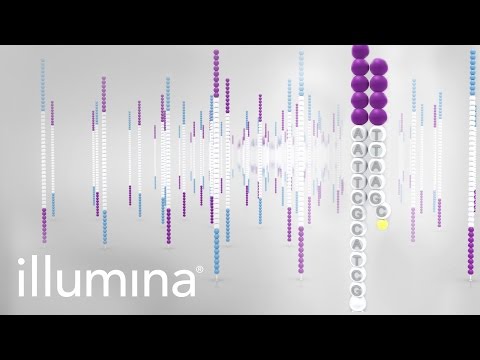
After that comes the sequencing part. There’s this amazing technology where you have a flow cell—a glass slide covered with millions of little spots where these DNA pieces attach. The magic happens during synthesis when nucleotides (the building blocks of DNA) are added one at a time. Each nucleotide has a special label that gives off a unique color when it’s added to the growing chain of DNA.
You might think this sounds complicated, but picture it like painting by numbers! Each color corresponds to a specific nucleotide (adenine, thymine, cytosine, or guanine). The machine takes pictures after each addition and captures these colors in real time—simple as that!
- Speed: One of the coolest things about Illumina SBS is its speed! A single run can generate millions of sequences in just days.
- Accuracy: It’s also known for being super accurate. The error rate is really low compared to older methods like Sanger sequencing.
- Cost-efficient: As technology has improved, costs have dropped significantly. This means more labs can afford to sequence genomes.
- Diverse Applications: Researchers use Illumina sequencing for everything from understanding human diseases to studying ancient DNA from fossils!
I remember when I first heard about this technology in college—it just blew my mind! Imagine being able to read the genetic code of anything around us; it felt like something out of a sci-fi movie!
You might wonder how this impacts real-world stuff. Well, one notable application is in personalized medicine—where doctors can tailor treatments based on an individual’s genetic makeup. Also, it’s being used in agriculture to engineer crops for better yield or resistance against pests!
The future looks bright for Illumina sequencing techniques too! With ongoing advancements like enhanced data analysis tools, we’re going to uncover even more secrets from our genomes than ever before.
The bottom line? Illumina Sequencing by Synthesis isn’t just changing how we look at genetics; it’s opening up new frontiers in medicine, agriculture, and beyond. Exciting times ahead!
Exploring the Latest Advancements in DNA Sequencing: Innovations Shaping the Future of Genetic Research
So, DNA sequencing—it’s kind of a big deal nowadays, huh? Especially with all these mind-blowing advancements. Let’s break it down a bit so it’s super clear and fun to understand.
First off, DNA sequencing is like reading the instruction manual of life. Seriously! Every living thing has DNA, and sequencing lets scientists read that code. But the cool part? The techniques keep getting better and faster.
Take the latest from Illumina’s Sequencing by Synthesis (SBS) for example. This method is basically like having a super advanced camera that snap pictures of your DNA as it’s being built. The way it works is fascinating—you got tiny bits of DNA placed on a surface, and as they get added onto, special chemicals light up to signal what’s been added at each step. It’s like a party where only certain colors show up when new friends arrive!
Now let’s talk about some key advancements in this area:
- Speed: One of the biggest changes is speed. With newer machines, researchers can sequence entire genomes in just *a few hours*. That used to take weeks or longer!
- Accuracy: Improvements in accuracy mean fewer mistakes in reading that vital genetic info. Mistakes can lead to wrong conclusions—and nobody wants that.
- Cost-effectiveness: Sequencing costs have dropped dramatically. A whole genome can be sequenced for about the price of dinner out—pretty wild!
- Data Management: With all this data coming in quickly, better software tools are popping up to help manage and analyze everything efficiently.
Now here’s where it gets even cooler! Think about how all this impacts research. For instance, let’s say there’s a rare genetic disorder affecting someone you care about. Thanks to these innovations, researchers can identify mutations linked to diseases much faster than ever before. That means quicker diagnoses and hopefully targeted treatments! Imagine what that could mean for someone waiting for answers; it could change lives!
Oh! I should also mention widespread applications. It’s not just about understanding diseases anymore—these techniques are being applied in agriculture to create hardier crops or in environmental studies to track biodiversity through genetic mapping.
But you know what strikes me every time I think about this stuff? It feels like we’re living at a moment when everything’s possible with genetics! The advancements aren’t just scientific feats; they’re hopes for people everywhere facing health challenges or those looking into their ancestry.
To sum it all up—the future looks bright with these advancements in DNA sequencing techniques! So keep your eyes peeled because who knows what groundbreaking discoveries are around the corner? Exciting times, huh?
The Future of Illumina Sequencing: Innovations and Implications for Genomic Research
Illumina sequencing has really changed the game in genomic research over the past couple of decades. So, what’s all the buzz about it and where is it headed? Let’s break it down a bit.
You know how reading a recipe can tell you everything you need to bake a cake? Well, our DNA is like that recipe for life, and Illumina sequencing helps us read it. This technique allows scientists to determine the order of nucleotides in DNA quickly and accurately. It’s pretty cool because this method has made sequencing not just faster but also cheaper.
Now, talking about innovations, one of the latest advancements is called sequencing by synthesis (SBS). Essentially, this technique involves adding labeled nucleotides one at a time to a growing strand of DNA and capturing images as each nucleotide is added. This sounds pretty straightforward, right? But behind the scenes, there’s some serious tech magic happening!
So let’s look at some key stuff happening in this area:
- Higher Throughput: The latest sequencers can read millions of fragments simultaneously. Imagine being able to look at several recipes at once instead of just one! This means researchers can analyze large genomic samples much faster.
- Longer Reads: Traditional sequencing produced shorter reads which could overlook some important details. Newer methods are pushing for longer reads, which helps get more complete pictures of genomes. It’s like getting all the instructions instead of just half a page.
- Error Reduction: Technology improvements have also focused on lowering error rates during sequencing. Fewer mistakes mean better data for researchers! Think about when you misread a recipe; if you get things wrong, your cake might flop!
- Diverse Applications: From cancer research to personalized medicine, Illumina sequencing isn’t just for academic labs anymore. It’s found its way into clinical settings too, helping doctors make informed decisions based on a patient’s unique genetic makeup.
Oh! And here’s something interesting—one day we might have handheld sequencers. Like seriously small devices that researchers or doctors could carry around! Imagine being able to sequence your DNA while chilling at a coffee shop; wild huh?
Now about implications—this rapid progression in Illumina tech could affect how we view genetics forever. Take for instance gene therapy. With precise and efficient sequencing methods, we may soon be able to pinpoint exactly what goes wrong in genetic conditions and develop more effective treatments.
However, alongside these innovations come ethical questions too. As we learn more about our genes and those of others around us, issues like privacy and consent creep into the conversation—and rightly so! You wouldn’t want your most private recipes floating around for everyone to see!
In summary? The future looks bright for Illumina sequencing with promising advancements set to fuel discoveries in genomics even further. Just remember: as exciting as this all is, there are still important conversations we need to have along with it!
So, let’s chat a bit about this whole Illumina sequencing by synthesis thing. It sounds like a mouthful, but it’s actually pretty neat. I remember the first time I heard about it during a lab talk in college. The speaker was so passionate, and I could see everyone’s eyes lighting up with the possibilities. It felt like we were on the brink of something big—like standing at the edge of a cliff, peering down into a vast ocean of genetic discovery.
Basically, Illumina sequencing is one of those revolutionary tools that’s changed how scientists look at DNA. You know, in the past, figuring out an organism’s genetic makeup took ages and was super expensive. But with advancements in sequencing technologies, we can now read huge amounts of genetic information much faster and cheaper than before. It’s like going from a typewriter to a high-speed printer overnight!
What really sets this method apart is that it uses this cool technique called “synthesis.” Picture it like assembling Lego blocks: you have different colored pieces representing different bases (A, T, C, G) in DNA. As these pieces snap together one by one during each cycle of sequencing, special fluorescent markers light up to show which base is being added. So every time a base gets stuck onto the growing chain, you get this flash of color—pretty magical if you ask me!
And it’s not just about speed or cost; it’s also opened doors for new applications in medicine and research. You ever think about personalized medicine? With these advancements, we can analyze your unique DNA to tailor treatments just for you! Or consider how researchers can now quickly sequence entire genomes from ancient bones or environmental samples—it’s like giving voice to our biological history.
But the journey isn’t without bumps along the way. As we push forward with these incredible capabilities, ethical considerations pop up too. Things like privacy concerns around genetic data or even worrying about who has access to our genetic blueprints are real talk items now.
At its core, Illumina sequencing by synthesis represents not just technological progress but also our quest for understanding life itself—how it works and how we can harness that knowledge for good. It’s scary and exciting all at once! And who knows what’ll come next? Just thinking about it makes me want to be part of that adventure myself!