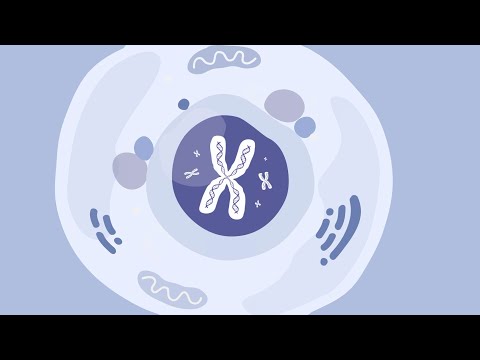
So, picture this: you’re sitting in your favorite café, sipping on your usual latte, and overhear someone talking about using “insertion biology” to fix genes. Seriously, it sounds like something out of a sci-fi movie, right?
But nope! It’s real science—like, ground-breaking stuff that could change lives. You can imagine a world where diseases caused by faulty genes might just be fixed on a genetic level. Crazy thought, huh?
Insertion biology is like the ultimate toolbox for scientists. It’s all about getting in there and making some tweaks. And trust me, those tweaks can make all the difference when it comes to gene therapy.
So let’s dig into how this fascinating field is shaking things up in medicine while giving hope to folks battling genetic diseases. Buckle up!
Impact of Insertion Mutations on Gene Function and Expression in Molecular Biology
Insertion mutations are, like their name suggests, all about adding extra DNA into a gene sequence. Imagine a line of words where someone decided to insert random letters or phrases. It can change everything: the meaning, flow, and coherence of that text. Well, the same goes for genes!
So what exactly happens when this insertion occurs? When extra DNA is included in a gene, it can disrupt the normal function of that gene. This disruption might lead to **loss of function** or even create a completely different protein. For example, think about how many instructions your body has to follow just to keep you healthy. If one instruction suddenly changes because of an insertion mutation, it could potentially lead to diseases!
Now let’s talk about **gene expression**! This refers to how much of a particular protein is made from the gene. Insertions can affect not just the protein itself but also how much is produced. If an insertion lands in an area that regulates gene expression, it might crank up production or shut it down entirely.
Here are some key points on how insertion mutations impact gene function and expression:
- Disruption of Reading Frame: When DNA is inserted into a coding sequence, it often shifts the reading frame. This alters every amino acid downstream and usually leads to nonfunctional proteins.
- Altered Protein Structure: Even if the reading frame isn’t disrupted, an insertion can change parts of the protein’s shape and make it do unexpected things.
- Increased Gene Expression: Sometimes insertions happen in promoter regions—areas that control if genes turn on or off—leading to more production than needed.
- Loss of Regulation: An inserted piece may mess with sequences that help regulate when and where genes are expressed.
Like I said earlier, these mutations can be linked with various diseases. For instance, some cancers exhibit insertion mutations that lead to unchecked cell growth due to altered signaling proteins.
But hey! There’s good news too! Scientists have been exploring these mutations for **gene therapy** advancements. By understanding how insertions work—both good as bad—they’re working on ways to fix faulty genes in patients.
For example, researchers might use specific tools like CRISPR technology to create controlled insertions in hope of correcting genetic disorders. Instead of unintentionally causing problems like natural insertions do sometimes, they aim for therapeutic outcomes!
So there you have it—a quick peek into how insertion mutations shake things up at a molecular level and their role in both disease and potential therapies! Just remember: even small changes can have big impacts in the world of genetics!
Exploring Three Innovative Approaches to Enhancing Health Through Gene Therapy
Gene therapy is like a superhero in the world of medicine. It swoops in to fix genetic problems at their source, aiming to treat or even cure diseases by influencing the genes that cause them. Thankfully, scientists have been busy developing some really cool ways to make this happen. Here’s a look at three innovative approaches that are shaking things up in gene therapy, especially focusing on insertion biology.
1. CRISPR-Cas9 Technology
This is probably the most famous player in the gene-editing game right now. Imagine it as a highly precise pair of scissors that can snip out bad genes and replace them with healthy ones. What happens is that researchers can modify an organism’s DNA by adding new sequences or correcting faulty ones directly within the genome. Seriously, it’s like getting a fresh start for your cells! And there have already been clinical trials treating conditions like sickle cell disease and certain types of inherited blindness.
2. Viral Vectors
Okay, so this one’s a bit more technical but stick with me! Scientists often use modified viruses to deliver healthy genes into cells—kind of like using a delivery service for your groceries, right? These viral vectors can sneak into the cell and unleash their genetic payload right where it’s needed. For example, researchers developed an adenovirus vector that was used successfully to treat spinal muscular atrophy (SMA). It’s mind-blowing how tiny viruses can carry such big hope!
3. Base Editing
Now, here’s where it gets really fascinating: imagine not just cutting out parts of DNA but actually changing individual letters in the genetic code. That’s what base editing does! Instead of going all “scissors happy,” it works like a word processor that fixes typos without cutting anything out completely. This has incredible potential for treating genetic diseases caused by single-point mutations—those pesky little changes that derail everything from metabolism to brain function.
So, why should you care about these methods? Well, they represent a shift towards more targeted and effective treatments for conditions once thought incurable—making life better for people battling serious health issues. Each approach brings its own set of challenges, too; be it ethical concerns or potential for unintended consequences down the line.
In conclusion, gene therapy opens up new doors every day thanks to these innovative methods like CRISPR-Cas9 technology, viral vectors, and base editing. By harnessing these techniques through insertion biology and dedicated research efforts, we’re moving closer to breakthroughs that could transform healthcare as we know it! Exciting times ahead if you ask me!
Understanding Gene Therapy: Methods of Insertion in Modern Science
Gene therapy is like a superhero for our genetics. It aims to fix or replace faulty genes that cause diseases, giving us, you know, a shot at a healthier life. The whole process can seem a bit complex, but let’s break it down together—nice and easy.
So, the main goal of **gene therapy** is to introduce new genetic material into cells. This can be accomplished in several ways, each with its own style. Here’s a look at some of the most common methods:
- Viral Vectors: These are modified viruses that have been changed so they can’t cause disease. Think of them as delivery trucks for genes! Scientists tweak these viruses to carry healthy copies of genes into target cells. It’s like sending in a tiny messenger to deliver important instructions.
- DNA Plasmids: Imagine small circles of DNA that can enter cells on their own. Plasmids are often used because they’re relatively simple to create and can carry large pieces of genetic information. They basically act like “blueprints” for new proteins inside your cells.
- CRISPR/Cas9: This is where things get super cool! CRISPR is a system originally found in bacteria that helps them fight off viruses. Scientists adapted it to edit genes with incredible precision. You can think of it as cutting and pasting DNA sequences where you want them.
- Electroporation: Not only does this sound neat, but it also works by using an electrical field to make cell membranes more permeable so DNA can sneak in easily. Picture tiny doors opening up just long enough for the gene “guests” to slip inside!
- Lipid Nanoparticles: These are tiny fat bubbles that carry mRNA or other genetic materials right into cells. They merge with cell membranes and deliver their cargo—kinda like dropping off a package right at your front door!
Now, here’s where it gets personal: have you ever known someone who battled with cystic fibrosis? It’s tough! Gene therapy holds promise for such conditions by potentially correcting the underlying issues at the genetic level.
What happens after we insert those genes? Well, cells start producing proteins based on this new coding life they got! That could mean producing enzymes (like those needed in conditions such as hemophilia) or correcting dysfunctional proteins leading to various diseases.
However, it’s not all rainbows and butterflies; there are challenges too! For instance, making sure the inserted gene ends up in the right spot without causing any unintended changes is super important (and tricky). Plus, your immune system might kick up a fuss if it sees those viral vectors as intruders!
In essence, **gene therapy** represents an exciting frontier in modern medicine—it has all this potential while also posing its own unique hurdles. With ongoing research and advancements in technologies like CRISPR and lipid nanoparticles, we’re getting closer each day to making these therapies more effective and accessible.
Isn’t science fascinating?
You know, it’s pretty amazing how science keeps evolving, always pushing boundaries. I was recently chatting with a friend about gene therapy, and it hit me: insertion biology is one of those behind-the-scenes heroes making a real difference. Whenever I think about gene therapy, I get this rush of hope. It’s like we’re on the verge of rewriting some of the most heart-wrenching stories in medicine.
So, here’s the deal. Insertion biology is all about figuring out how to get new genes into cells. Imagine trying to send a message across a crowded room—sometimes you need a little poke to get through! This approach helps scientists insert healthy genes into places where they might be missing or malfunctioning. You follow me? It’s like fixing a typo in an important document, turning “cat” into “dog,” so to speak.
One time, I read about this little girl named Emma who had a rare genetic disorder. Her parents were beyond worried; they felt trapped in a world with no answers. Enter gene therapy! Scientists utilized insertion biology techniques to place functional copies of her defective gene right where they belonged. You can’t help but feel emotional thinking about how that changed their lives.
What blows my mind is that this isn’t just a one-off success story; it’s happening more and more as researchers refine these techniques. Sure, there are hurdles—like ensuring that the inserted genes do their job without causing havoc in other parts of the genome—but the progress is undeniable!
I can’t help but think about where we might be headed next. What if we could tackle major diseases? From sickle cell anemia to certain kinds of cancer—there’s so much potential here! But then again, with great power comes great responsibility. Ethical concerns swirl around this field too; it makes you pause and reflect on everything from consent to long-term effects.
But overall, seeing how insertion biology plays such an integral role in advancing gene therapy feels like being part of something really special—like watching nature and science shake hands for the first time at a party! The journey ahead might be bumpy, but when stories like Emma’s emerge from these advancements, you can’t help but believe we’re going somewhere truly remarkable together.