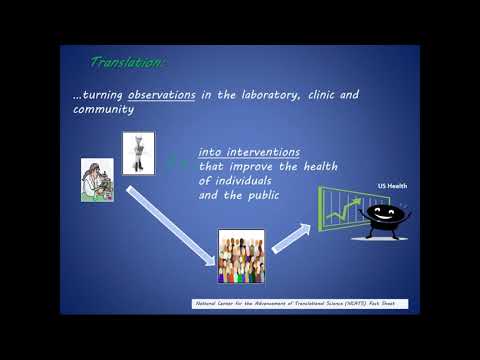
So, picture this: you’re in the lab, surrounded by all this fancy equipment. But, like, no one outside really gets what’s happening there. It’s kinda like doing a dance at a party where no one knows the moves. Awkward, right?
Now imagine if you could invite your friends over—like, literally—into your world of pipettes and petri dishes! Turns out, that’s not just a fun thought; it can seriously boost science.
Community engagement is where it’s at! When scientists connect with their neighborhoods, magic happens. Ideas spark creativity; people inspire each other. It breaks barriers and makes everyone feel part of something bigger.
I remember hosting a little science day in my hometown once. Kids were buzzing with questions about everything from frogs to black holes; their excitement lit up the whole room. You could see how real-life connections make complex stuff way more relatable.
So let’s chat about how we can advance laboratory science not just in sterile environments but out there where it counts—the community! It’s a win-win for everyone involved and totally worth exploring.
Collaborative Innovations: How the Scientific Community Enhances Knowledge Through Collective Efforts
Collaborative innovations in science are like those epic team efforts you see in movies where everyone comes together to solve a problem. The thing is, science isn’t just about one brilliant mind. It’s about countless people working together, sharing ideas, and building on each other’s knowledge.
When scientists collaborate, they spark creativity. Imagine a bunch of researchers from different backgrounds—they bring varied perspectives. For instance, a biologist working with a computer scientist can lead to breakthroughs in data analysis that wouldn’t be possible individually. And that’s super exciting!
Collective efforts help speed up research too. Think of the Human Genome Project, where teams across the world mapped our DNA. This project wasn’t just about one lab; it involved thousands of researchers sharing their findings openly. Can you believe it took only 13 years? That’s like lightning speed for something so complex!
Also, there’s this cool thing called open science. It’s like sharing your homework but way cooler and way more impactful! Researchers publish their work so anyone can access it, which fosters collaboration and encourages others to build on those ideas. It’s like creating an enormous library of knowledge just waiting to inspire someone.
Another important aspect is community engagement in laboratory settings. When scientists include the public or specific communities in their research processes, it leads to more relevant and impactful outcomes. Imagine being part of a study that directly addresses the health issues in your neighborhood—how empowering is that?
And don’t forget about technology! Tools like social media and online forums allow scientists from all over the globe to connect instantly. Collaborations can happen even if they’re oceans apart! You might find experts discussing new ideas on Twitter or collaborating through virtual conferences—or even brainstorming over a cup of coffee during an online meeting.
In essence, collaborative innovations enrich scientific inquiry by enhancing trust and transparency among researchers and communities alike. When individuals pool their knowledge and resources, they not only advance laboratory science but also create solutions that benefit everyone.
In addition to all this, sharing failures is part of the process too! Scientists learn from what didn’t work out—kind of like updating those “what not to do” lists we all have somewhere tucked away at home. This openness leads to better strategies next time around.
So yeah, when scientists join forces as a community, they turn challenges into opportunities for breakthroughs that can change lives!
Enhancing Medical Research: The Critical Role of Community Engagement in Advancing Scientific Discovery
Enhancing medical research is like building a bridge between scientists and the community. When researchers engage with people, it’s not just about gathering data; it’s about listening, sharing, and understanding real-life experiences. You know, the stories that bring numbers to life.
Community engagement in this context means that scientists actively involve patients, families, and local groups in the research process. It’s about recognizing that those individuals have insights that can shape and improve scientific inquiries. Sounds simple? Well, it definitely adds layers of complexity to how we perceive health issues.
So why is this so crucial? Firstly, trust is a big deal. If communities feel they’re part of something bigger rather than just being subjects in experiments, they’re more likely to participate willingly. And guess what? This means better data collection! When people are engaged, they tend to share more relevant information about their health conditions.
Take for example the issue of vaccine uptake during health crises like the COVID-19 pandemic. Researchers noticed that community engagement could help address vaccine hesitancy effectively. By working with local leaders to provide accurate information and address concerns directly, researchers saw higher rates of vaccination in those communities. You follow me? It’s all about connection.
Then there’s the idea of diversity. Engaging with various communities allows researchers to include different cultural perspectives in their studies. This can help identify health disparities and ensure that research findings truly reflect a wider population rather than just a homogeneous group. You skip this step, and you miss out on a whole lotta important information!
Also worth mentioning is how community input can steer research priorities. Sometimes scientists are super focused on what they think is important— but what if it doesn’t align with what people are actually experiencing? For instance, a community might struggle with specific chronic illnesses that aren’t getting enough attention from researchers because they’re focused on “sexier” topics.
But there’s also a practical side: recruitment. Community engagement gives researchers access to networks they might not have tapped into otherwise. Imagine trying to study rare diseases—without community ties; your sample size could look like a ghost town!
And lastly, let’s chat about sustainability here for a minute too. Engaging with communities isn’t just good for one project; it creates lasting relationships and trust for future research endeavors as well since people will be more willing to help out next time around.
In short (or not so short!), involving communities in medical research isn’t merely beneficial; it’s essential for advancing laboratory science meaningfully and responsibly! The interaction helps ensure that scientific discoveries are relevant, representative, and rooted deeply in real-world experiences—making it all the more impactful when put into practice!
Exploring the Five Essential Steps of Community Engagement in Scientific Research
Exploring community engagement in scientific research is a big deal. It can make a real difference in how research is received and utilized. So, let’s break down the five essential steps of community engagement, shall we?
1. Identify Your Community
First things first, you gotta know who you’re talking to! Identifying the community means understanding their needs and interests. For instance, if your research is about health, figure out which local group might be impacted most. You wanna reach out to them directly and find common ground.
2. Build Trusting Relationships
Trust is key! Instead of just showing up with your science facts, spend some time listening and engaging with the community members. Share your goals, but also ask about theirs. Let’s say you’re studying environmental issues; start by attending local meetings or chatting with neighborhood activists to show that you care.
3. Collaborate on Research Design
This step is pretty cool because it makes people feel like they have skin in the game. Work together with the community from the get-go! If you’re investigating health disparities in a certain area, involve community members in shaping your questions and methods. Their insights can steer your research in ways you’d never think of on your own.
4. Share Results Transparently
Once you’ve got some findings, don’t hide them away! Share results in a way that everyone can understand—like using simple language or visual aids. This could mean organizing a casual gathering where you explain what you found over coffee rather than throwing numbers at them from a distance.
5. Foster Continuing Engagement
Engagement shouldn’t just be a one-off thing; it should be ongoing! Create avenues for regular communication after the project wraps up so people feel like they’re still part of it—maybe through newsletters or social media updates—or even by inviting them to future events.
So there you have it! Each step helps ensure that scientific research not only progresses but does so with genuine connections to those it’s meant to benefit. Connecting science with local communities can turn isolated lab findings into tools for positive change within those communities themselves! Isn’t that something?
You know, when I think about laboratory science, the image that pops into my head is often that of white coats, beakers bubbling away, and maybe a distant hum of machinery. But there’s a whole other side to it that’s just as crucial—community engagement. Seriously, it’s like you can’t have one without the other.
Let me tell you a quick story. A few years ago, I volunteered at a local science fair. Kids were showcasing their projects, and one little girl caught my attention with her display on water quality testing. She had these adorable little test kits and was explaining to anyone who would listen how different pollutants affected the water in her neighborhood. It was pure joy to see her passion! The way she engaged with everyone, making them think about issues they might never have considered before—wow! That’s what community engagement does; it bridges gaps between scientists and the everyday person.
So why is this connection so important? Well, for starters, involving the community in laboratory science helps to address real-world problems more effectively. Scientists can get direct feedback from people feeling the impact of their research. Imagine developing new cancer treatments in a lab but forgetting to ask patients what they actually need or how they feel about it. That wouldn’t make much sense, right? You’d miss out on designing solutions that actually matter.
But it goes both ways too! Communities can provide valuable insights that researchers might overlook when trapped in their lab bubble. Think about it—how can you know how something affects people’s lives unless you’re talking directly with them? It’s like trying to cook without tasting your dish as you go along; you might end up with something totally off!
Now here’s something else: engaging with communities fosters trust between scientists and non-scientists alike. There’s a lot of skepticism around science these days, which isn’t all unfounded; we’ve seen some pretty questionable uses of science over the years. When scientists actively involve communities in their work, this helps build transparency and understanding—people feel heard! If we want future generations to value scientific advancements and embrace them rather than fear them, then open channels for communication are key.
Surely there are challenges too—like ensuring that everyone has access to participate or tackling misconceptions about what laboratory research entails—but overcoming those hurdles isn’t impossible. With creativity and genuine willpower from both sides—the lab folks and the community members—we’ve got potential like never before!
In short: advancing laboratory science through community engagement isn’t just nice—it’s essential! Each component enriches the other like two halves of a puzzle coming together just right. And who knows? In bringing people together to discuss big ideas over coffee or an ice cream cone (because why not?), we might even spark the next great scientific breakthrough from someone completely unexpected! That makes me hopeful for what lies ahead in this fascinating journey!