You ever spill something on your favorite shirt and it ends up looking like a watercolor painting gone wrong? Life, huh? It’s chaotic, messy, and full of surprises! If only we had a way to peek into all that chaos and actually see what’s going on with our bodies.
Well, that’s where some fancy science stuff comes in—like LC-MS proteomics. Yeah, it sounds super technical, but stick with me! Imagine this: scientists are basically detectives, hunting for clues about proteins in our cells. These proteins hold the secrets to everything from how our body works to what makes us tick—or, sometimes, what makes us sick.
It’s kind of like getting a backstage pass to the concert of biological research. You get to see all the little players and their roles in the grand performance. So grab your metaphorical magnifying glass because we’re about to explore some seriously cool advancements that are changing the game in biological research!
Revolutionizing Biological Research: Innovations in LC-MS Proteomics Technology
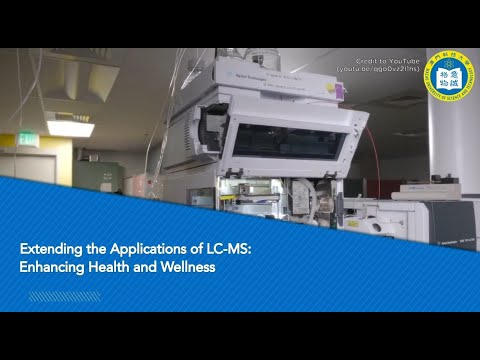
Proteomics is pretty wild, right? It’s all about proteins—those tiny building blocks that perform tons of essential functions in our body. Now, when it comes to studying these proteins in an efficient way, LC-MS (liquid chromatography-mass spectrometry) is a game changer. Seriously! This tech has revolutionized biological research like you wouldn’t believe.
So, what makes LC-MS so special? Well, it combines two powerful techniques. First, you have liquid chromatography, which separates proteins based on their size and properties. Then comes mass spectrometry, which analyzes these proteins by measuring their mass-to-charge ratio. Together, these methods paint a super detailed picture of what’s happening at the molecular level.
Let me break it down even more. Imagine researchers trying to figure out how different proteins react under certain conditions or during diseases. Just a few years ago, this was a massive challenge because traditional methods took forever and were often less accurate. But with LC-MS, scientists can now analyze thousands of proteins in just a few hours!
Here are some key points about how LC-MS is shaking things up:
Now let’s talk applications for a second because that’s where things get really exciting! Researchers use LC-MS for everything from understanding cancer biology to discovering new drug targets. For instance, imagine studying how stress affects immune response by analyzing protein changes in blood samples over time. With LC-MS, you can see those changes unfold.
To make things even cooler, there are innovations happening all the time within this field. Newer versions of LC-MS instruments have improved resolution, letting scientists separate even the most similar proteins more effectively than ever before. And there’s still room for improvement; think along the lines of making machines smaller and more user-friendly.
Oh! And here’s a little anecdote that hits home: I remember when I first heard about this technology from a friend who works in cancer research. She described how they found unexpected biomarkers using LC-MS that could lead to earlier diagnoses for patients. Hearing her excitement made me realize just how much potential this tech has—not just for researchers but for real people out there.
Looking ahead, it’s clear that as we keep improving on existing technologies like LC-MS and merging them with computational power (like AI!), we’re going to unravel even more mysteries embedded within our biology.
In short? The advancements in LC-MS proteomics technology are not just incrementally better—they’re genuinely reshaping our understanding of biology as we know it! So next time you hear about studies involving proteins or diseases, remember that behind the scenes is some seriously innovative science working its magic!
Enhancing Biological Research: Recent Advancements in LC-MS Proteomics Techniques
Proteomics is like the ultimate detective work for proteins in our bodies. You know, those tiny molecules that do a lot of the heavy lifting in biological processes? So, when scientists talk about **LC-MS proteomics**, they’re referring to a combination of two powerful tools: **liquid chromatography (LC)** and **mass spectrometry (MS)**. This combo really shakes things up in biological research!
First off, what’s **liquid chromatography**? Imagine a really clever filter. It separates complex mixtures based on how different proteins interact with surfaces or solvents. So, you basically get to separate proteins from a soup of other molecules, making it easier to analyze them.
Now onto **mass spectrometry**. This one’s like using a high-tech scale that can determine the mass of proteins and even tell you their structure. Once the proteins are separated by LC, they get zapped into the mass spectrometer, which measures their mass-to-charge ratio—kind of like figuring out who weighs what at a party where everyone is dancing around.
So why are advancements in these techniques so exciting? Well, recently there have been some amazing improvements that enhance how we study proteins:
- Increased Sensitivity: Newer instruments can detect even smaller amounts of protein. This means researchers can uncover details that were virtually invisible before.
- Speed: Techniques have sped up considerably. Nowadays, processing samples takes way less time; think hundreds of samples processed more quickly than you can say “proteome.”
- Bigger Coverage: More protein species can be analyzed simultaneously. This broadens the scope of research significantly.
- Quantitative Proteomics: Advances now allow scientists not just to identify but also to quantify how much of each protein is present in a sample.
- Data Analysis Tools: Enhanced computational methods make it easier for scientists to analyze massive datasets generated by LC-MS experiments.
One day while I was reading up on this stuff—I got totally struck by how much all this matters! Just think about cancer research or developing new drugs; understanding protein interactions could lead to breakthroughs in treatments! For example, if we know what specific proteins are involved in tumor growth, we might develop drugs that target those exact pathways.
The advancements in LC-MS proteomics aren’t just changing scientific papers; they’re literally changing lives and health outcomes across the globe! It’s fascinating how these techniques evolve and make our understanding of biology richer and deeper every day. So yeah, keep an eye on developments here—who knows what kind of cool discoveries will pop up next?!
Unlocking Scientific Research: A Comprehensive Guide to Using Google Scholar Effectively
Using Google Scholar effectively can make a big difference when you’re diving into the world of scientific research, especially in specialized areas like LC MS proteomics. So, let’s break it down.
What is Google Scholar?
It’s basically a search engine for scholarly articles. Unlike regular Google, which gives you everything from cat videos to DIY tips, Google Scholar is focused on academic papers, theses, books, and conference papers. It’s like having a library at your fingertips!
Getting Started
When you first hop onto Google Scholar, you’ll see a simple search bar. Just type in keywords related to your topic. For LC MS proteomics, you might try “LC-MS proteomics advancements” or “proteomics in biological research.” The more specific you are, the better your results will be.
Understanding Your Results
Once you hit enter, you’ll see a list of articles. Each entry usually includes the title, authors, publication year, and sometimes a brief excerpt or citation count. If an article piques your interest but isn’t available for free? No worries! Look for links on the right side; sometimes universities or authors upload copies that are free to access.
Using Filters
Google Scholar has some nifty filters. You can limit results by year—super useful if you’re looking for the latest studies. Just click on “Since 2020” or adjust the range for what fits your needs best.
Citing Articles
When you find something valuable, citing it correctly is key! Click on the quote mark under each article to get citations in various styles like APA or MLA. It saves time and helps keep your references organized!
Create Alerts
If you’re really into staying updated on LC MS proteomics research, set up alerts! Go to “Create Alert” on the left sidebar after running a search and enter your keywords. You’ll receive email notifications whenever new relevant studies pop up!
The Power of Advanced Search
Feeling adventurous? Try using the advanced search option located under the menu icon (three horizontal lines). Here you can filter by author names or journals. This is particularly handy when searching for specific researchers known for their work in proteomics.
Pushing Further with Citations
Take advantage of citations too! When you’ve found an article that rocks your world, explore who cited it by clicking on “Cited by X.” This opens up a whole new pool of related research that may reference important advancements in biological methods using LC MS.
Anecdote Time!
I remember last year when I was working on my project about protein identification techniques using mass spectrometry techniques. I stumbled upon this incredible article through Google Scholar that outlined recent breakthroughs I hadn’t even heard about! It was amazing how one paper opened doors to so many other studies and ideas—it reminded me how interconnected scientific research really is.
So yeah! Using Google Scholar effectively makes tracking down significant advancements in fields like LC MS proteomics not just possible but actually enjoyable. Give it a shot next time you’re hunting for info—it might just surprise you how much treasure lies hidden within those scholarly pages!
So, you know how we’re always trying to figure out what makes us tick? Like, why our bodies do the things they do? Well, one of the coolest ways scientists are getting closer to those answers is through this thing called LC-MS proteomics. Yeah, it sounds fancy—like a high-tech gadget—but let’s break it down a bit.
Liquid Chromatography-Mass Spectrometry (that’s the LC-MS part) is like having a superpower for analyzing proteins in biological samples. Proteins are these little workhorses in our cells, doing everything from helping us digest food to fighting off illness. But figuring out exactly what proteins are present and how they interact is no small feat. It’s like trying to solve a jigsaw puzzle with pieces scattered across a massive table.
I remember chatting with a researcher once who told me about how tedious it used to be to analyze proteins before LC-MS came into play. They’d often have to guess or use less reliable methods that could take ages. Then they got this LC-MS setup—suddenly, they could identify thousands of proteins in just one go! It was like opening a treasure chest where each protein had its own story and role in the grand scheme of life.
With advancements in this technology, researchers can now dive deeper than ever into complex biological questions. You’ve got high sensitivity and specificity, so you can pick up on minute changes that might suggest something is off in the body. For instance, if someone has an illness brewing or if certain treatments are working as intended, these advances can help spot those shifts early on. That’s huge!
And it’s not just about understanding diseases; it’s also helping in fields like agriculture or environmental science where knowing about proteins can lead to better crops or cleaner ecosystems. Imagine scientists tweaking plants so they need less water or aren’t as affected by pests—pretty amazing stuff!
But here’s the kicker: as brilliant as all this sounds, there’s still a long way to go. You still need skilled hands and sharp minds behind the machines. Plus, interpreting all that data? That’s where creativity meets science; it requires both technical know-how and some good ol’ intuition.
So yeah, when I think about LC-MS proteomics and its role in biological research, I feel hopeful and excited for what’s next! The potential feels almost limitless. In a way, every discovery becomes another piece of that giant puzzle we’re all trying to solve together—a puzzle that helps unlock mysteries of health and disease for everyone. That’s something worth cheering for, don’t you think?