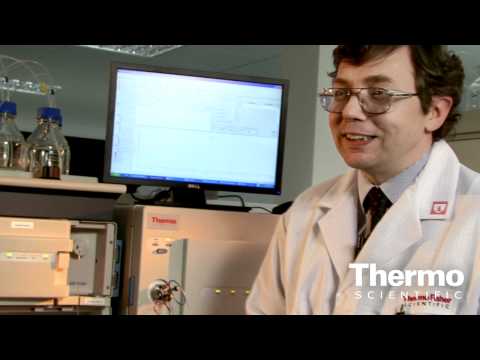
So, picture this: you’re in a lab, surrounded by high-tech gadgets, and the smell of coffee is wafting through the air. You spill your drink all over a bunch of important papers—classic move, right? Well, while you’re frantically wiping it up, scientists are out there making groundbreaking discoveries using something called LC MS Q TOF technology. I mean, talk about multitasking!
This fancy name might sound like a robot from an ‘80s sci-fi flick, but trust me—it’s super cool and way more useful than it sounds. It’s like giving researchers the ultimate magnifying glass to dive deep into the mysteries of science. Seriously!
What gets me excited are all the incredible things happening because of these innovations. We’re talking about everything from drug discovery to unraveling complex biological processes. That’s pretty mind-blowing if you ask me! So let’s take a closer look at why this tech is kind of a big deal in scientific research today.
Advancements in LC-MS/MS Technology and Its Impact on Clinical Laboratory Practices
So, let’s chat about LC-MS/MS technology, huh? I mean, it sounds technical, but once you get into it, it’s pretty fascinating. LC-MS/MS stands for Liquid Chromatography coupled with Tandem Mass Spectrometry. Basically, it’s a method that helps us identify and quantify substances in a sample. And it’s been revolutionizing clinical lab practices in many ways.
First off, think about what this tech does. It separates molecules in a mix—kind of like how you might sift through different candies to find just the chocolate ones. The liquid chromatography part does the sifting and separating. Then, the mass spectrometry bit identifies those separated substances by measuring their mass. It’s like finding out what each candy is made of after sorting them!
One of the coolest advancements recently is the improvement in sensitivity and accuracy. Imagine being able to detect tiny amounts of drugs or hormones in blood samples—like tracking down that last hidden piece of chocolate in a box! This is super important for diagnosing diseases early on or monitoring treatment outcomes.
Now, let’s talk briefly about Q-TOF technology. That stands for Quadrupole Time-of-Flight mass spectrometry. It sounds fancy but stick with me! This tech allows us to measure ion masses very accurately and even provides structural information about the molecules we’re looking at. So if you have a new drug compound you’re investigating, Q-TOF can help figure out its structure while also telling you how much of it is present.
You might wonder how all this impacts clinical labs directly? Well, here are some key changes:
- Speed: Samples can be analyzed much faster now, which means results come back quicker for patients.
- Efficiency: With better separation and identification capabilities, fewer resources are wasted on incorrect results.
- Diversity: Labs can analyze more types of samples than before—like urine or saliva—instead of just blood.
- Cost-effectiveness: While these machines can be pricey upfront, the precision and speed lead to lower costs in testing over time.
Let’s not forget one emotional corner of all this tech innovation… Picture a worried parent waiting for test results on their sick child. The faster those results come back because of improvements in LC-MS/MS technology? That could mean earlier intervention and potentially better outcomes!
In summary, advancements in LC-MS/MS and innovations like Q-TOF are pushing clinical laboratories towards faster and more accurate diagnostics that could save lives every day. It’s not just high-tech stuff; it’s genuinely making a difference for people relying on those test results! Isn’t that something worth thinking about?
Evaluating LC-MS/MS: Key Advantages and Disadvantages in Scientific Applications
Hey, let’s chat about LC-MS/MS, which stands for Liquid Chromatography-Tandem Mass Spectrometry. It’s a pretty advanced tool used a lot in scientific research. This method combines two powerful techniques – liquid chromatography helps separate the components of a mixture, and mass spectrometry measures their masses. Together, they give amazing insights into complex samples like blood or environmental water.
Now, diving into the **key advantages** of using LC-MS/MS in science:
- High Sensitivity: This technique can detect even tiny amounts of substances. So, if you’re looking for traces of a drug in your body fluids, it’s super handy!
- Specificity: It can differentiate between molecules that are pretty similar. For instance, if you need to analyze different isomers (molecules with the same formula), LC-MS/MS can help tell them apart.
- Quantitative Analysis: You can accurately measure the concentration of compounds in your samples. Imagine testing for pollutants in water; knowing exact levels is crucial.
- Speed and Efficiency: It’s relatively quick—results often come back faster than with older methods. Time-saving means you can run more tests and get results sooner.
Now on to **disadvantages**, because let’s be real, nothing is perfect.
- Cost: The instrument itself is pricey! Plus, maintaining it and training staff adds up over time. Not every lab can swing that.
- Complexity: The methods are intricate. Seriously! You have to be well-trained to operate the equipment properly and interpret results accurately.
- Sensitivity to Interference: Sometimes other substances in your sample can interfere with the analysis, leading to inaccurate results. It requires careful sample preparation to avoid this.
- Calibration Needs: Regular calibration is essential for consistent results. If there’s even a tiny glitch in calibration, it could throw off everything you’re measuring!
You might remember that time when I was helping my friend analyze some environmental samples from her creek? She was super excited about finding out what pollutants were present but quickly realized that using LC-MS/MS required not just technical know-how but also understanding how various chemicals interact with one another. It was a real eye-opener!
In terms of innovation within this scope, technologies like LC MS Q TOF (Quadrupole Time-of-Flight) have brought significant advancements too! They offer better resolution and accuracy compared to traditional setups.
So basically, weighing these pros and cons helps researchers decide if LC-MS/MS aligns with their goals or if they might need something simpler or more cost-effective for their specific application.
Mastering LC-MS Results Interpretation: A Comprehensive Guide for Scientists
Hey, so let’s chat about LC-MS. It stands for Liquid Chromatography-Mass Spectrometry, and it’s a pretty nifty tool scientists use for analyzing complex mixtures. You know, like when you’re trying to figure out what’s in your favorite smoothie but on a way higher level.
First off, understanding the basics of LC-MS is crucial. Liquid chromatography separates different components in a mixture while mass spectrometry identifies them based on their mass-to-charge ratio. The combination? It’s like getting precise details about ingredients after separation—like knowing you’ve got strawberries, bananas, and kale in that smoothie.
When evaluating results from LC-MS, you gotta focus on a few key elements:
- Retention Time: This tells you how long each component stayed within the column during liquid chromatography. A shorter time means it moved through quickly, while longer times indicate more interaction with the column’s material. It’s like how quickly your fruit gets blended!
- Mass Spectrum: Here’s where the magic happens! Each ion produces a peak in the spectrum based on its mass. The height of these peaks gives you an idea of how much of each ingredient is there—just like how loud your blender gets when you toss in more fruit.
- Fragmentation Patterns: When ions break apart after being ionized, they form unique patterns that help identify chemical structures. Think of it as identifying which fruits were mixed together based on their pieces.
- Calibration Curves: To quantify results accurately, calibrating against known concentrations helps ensure you’re measuring correctly. It’s kind of like adjusting your taste buds based on how sweet or sour your smoothie is!
Interpreting these results can feel overwhelming at first. But don’t sweat it! You just need some practice and maybe a few friendly mentors to guide you through it all.
And there’s also this impressive tech out there called Q-TOF (Quadrupole Time-of-Flight). What makes it special? Well, it enhances sensitivity and accuracy when measuring low-abundance compounds. So if you’re searching for a rare ingredient hidden among everything else, this tool has got your back!
A little story: I once tried to analyze my friend’s homemade hot sauce using LC-MS (yes, really!). The challenge was knowing what proportion of spicy pepper was there versus sweet pineapple—total chaos but absolutely thrilling! Using Q-TOF meant I could detect those tiny flavor signatures that would have been impossible with basic setups.
So, mastering LC-MS results interpretation isn’t just about numbers and graphs; it’s about figuring out what they mean for your research or project! Always keep learning and adapt as new technologies pop up. And remember: even seasoned scientists find themselves scratching their heads sometimes—it’s part of the journey!
You know, I’ve always found the world of science to be a bit like a giant puzzle. There are so many pieces that fit together in unexpected ways, and when you finally connect them, it feels like magic. One of those “puzzle pieces,” if you will, is the innovation in technologies like LC MS Q TOF.
So, what’s that all about? Well, let me break it down for you. LC stands for liquid chromatography—basically a way to separate different components in a mixture—while MS means mass spectrometry, which is used to identify those components based on their mass. And then there’s the Q TOF part, which is short for quadrupole time-of-flight. It’s a fancy name, but essentially, it lets scientists measure mass with incredible accuracy. All these fancy terms might sound overwhelming at first, but they open up a world of possibilities in research.
I remember chatting with my friend Anna last summer while she was deep into her biology project. She was using LC MS Q TOF technology to analyze some complex samples from her experiments. It was amazing to see her face light up every time she got results—like uncovering hidden treasures! The way she described how quickly and accurately this tech could identify compounds made me realize just how much these innovations can change the game.
And let’s talk about applications for a second! Researchers are using this technology not just in biology but also in environmental science and even drug development. Imagine being able to detect pollutants in water or trace the effectiveness of new medications within days instead of weeks! Seriously impressive stuff.
But here’s where it gets interesting: this tech isn’t perfect yet. Like any innovation, there are still hurdles to overcome—costs and accessibility being two big ones that come to mind. Not every lab out there has the budget or resources to work with such advanced technology. You know? It brings up questions about who gets access to cutting-edge research tools and what impact that might have on scientific progress across different communities.
So yeah, as exciting as all these advancements are, they come with their fair share of challenges too. But that’s part of what makes science so dynamic—a constant dance between innovation and limitation! If you think about it, isn’t that kind of poetic? We’re always striving for more knowledge while grappling with what we have right now.
Anyway, next time someone brings up LC MS Q TOF technology at a party (because who doesn’t like talking science over pizza?), you’ll have a little context under your belt! And you can share how innovations are spreading excitement across various fields while also remembering the broader implications they carry along with them.