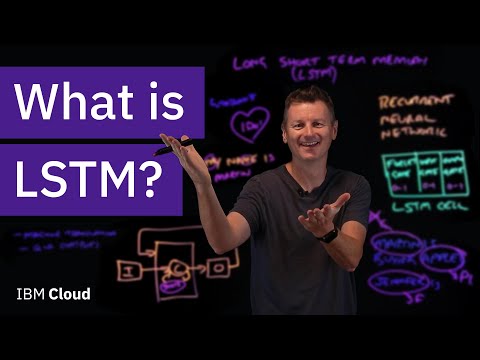
You know that feeling when you’re trying to remember the name of a song, but it’s just right there, at the edge of your brain? Like, ugh! It’s super frustrating.
Well, it turns out that our brains and computers can be a bit similar in that way. They both love patterns and sequences. That’s where LSTMs come into play. You might be thinking, “What on earth is an LSTM?” Relax! I got you.
Long Short-Term Memory networks are a type of magic in the realm of artificial intelligence. Seriously, they’re like the secret sauce for teaching machines how to learn from past experiences and make predictions about the future.
And guess what? People are using them in some totally innovative ways right now. Think about everything from music generation to predicting stock prices. It’s wild how these algorithms are shaking things up!
So, buckle up! We’re diving into how LSTMs are changing modern science—trust me, you don’t wanna miss this ride!
Exploring the Diverse Applications of LSTM in Scientific Research and Data Analysis
LSTMs, or Long Short-Term Memory networks, are like the brain’s way of remembering stuff for long periods. They’re a type of recurrent neural network that specialize in processing sequences of data. What’s cool about them is their ability to remember information for a long time while also forgetting things that are no longer relevant. You might be thinking: how does that work? Well, LSTMs use special gates to control the flow of information. You know, it’s kind of like how we decide what to keep in our memories and what to let go.
So, let’s talk about some applications where LSTMs really shine in scientific research and data analysis.
- Speech Recognition: Imagine talking to your phone or computer and it actually understanding you. That’s thanks to LSTMs! They help convert spoken words into text by analyzing the sequential nature of speech.
- Natural Language Processing (NLP): Anytime you see chatbots or language translation apps, LSTMs are often behind the scenes making sense of sentences and contexts. They allow machines to understand language like we do, which is super tricky.
- Time Series Prediction: In fields like finance or weather forecasting, predicting future events based on past data can be super complex. LSTMs excel here because they can learn patterns over time, helping experts make informed decisions.
- Bioinformatics: When it comes to analyzing DNA sequences or protein structures, LSTMs help scientists spot patterns and relationships that might not be obvious at first glance. It’s like having a microscope for data!
You know what’s pretty fascinating? A friend of mine who works in cancer research once told me how LSTMs helped identify potential biomarkers from genetic data more efficiently than traditional methods could. The ability for these networks to sift through enormous datasets and find connections is nothing short of revolutionary.
Another application is in healthcare: LSTMs are being used to predict patient outcomes based on historical medical records. By looking at sequences of patient visits and treatments, they can help doctors make better decisions about care.
A little on the technical side—LSTMs use three types of gates: input gates, output gates, and forget gates. Each gate plays a role in determining what information should enter or leave the memory cell. Like imagine having multiple doors in your room! Some doors let stuff in while others keep it out based on what you want at any moment.
Lastly, they have potential uses in climate modeling. With climate change being such a pressing issue today, researchers are using LSTM networks to analyze historical climate data and predict future trends.
So there you have it! From voice recognition to healthcare predictions—or even understanding our planet better—LSTMs offer diverse applications across various scientific fields. Seriously impressive stuff if you ask me!
Exploring ChatGPT: The Role of LSTM in Modern AI Language Models
Exploring ChatGPT is like unwrapping a present, isn’t it? You can’t help but get curious about what’s inside! One of the cool components powering these types of models is **LSTM**, which stands for Long Short-Term Memory. Imagine it as a memory magician that helps computers remember things over time. Seriously, without LSTM, understanding language would be like trying to read a book with half the pages missing.
So, what’s the deal with LSTMs? Well, they’re actually a special kind of **recurrent neural network (RNN)**. Regular RNNs can struggle when it comes to remembering information from earlier in a sequence. They kinda forget things too quickly, like when you try to remember someone’s name after just meeting them. But LSTMs have this unique structure that lets them hold onto information longer. This makes them super handy for tasks involving sequences—like language!
Now, let’s break down some key features:
- Memory Cells: Think of these as little containers where important info is stored. LSTMs decide what to keep and what to toss out.
- Gates: These are like traffic signals for information flow. There are three main types of gates: input, output, and forget gates. They control what gets in and out of those memory cells.
- Long-Term Dependencies: This is a fancy term that means LSTMs can remember stuff from way back more effectively than regular RNNs can.
Let me share an example with you. When you’re chatting with someone or even writing a story, you often refer back to things mentioned earlier—like characters or plot points. A regular AI might get lost in all that chatter and mix up details. But an AI using LSTM? It’s got the smarts to keep track of past elements while generating coherent responses.
These capabilities make LSTMs not just useful for chatbots but also vital in many other areas! For instance:
- Translation: Think about how hard it is to translate some languages. With LSTMs managing context better, translations become way smoother!
- Sentiment Analysis: Companies love this one! By analyzing text data from customers—like reviews—LSTM helps gauge whether feelings are positive or negative.
- Speech Recognition: Ever use voice commands on your phone? Yep, there’s likely some LSTM magic helping your device understand you better!
It’s pretty exciting seeing how these applications show off the power of LSTMs in modern science! When it comes down to it, they play a critical role in making AI language models like ChatGPT feel more intuitive and human-like.
So next time you’re chatting away with an AI and marveling at its ability to remember what you said moments ago—thank those nifty little memory cells working behind the scenes! They’re the unsung heroes that make communication with machines not just possible but enjoyable too.
Exploring the Relevance of LSTMs in Modern Scientific Research: Are They Becoming Obsolete?
So, let’s talk about Long Short-Term Memory networks, or LSTMs for short. These are a type of recurrent neural network (RNN) designed to remember information for longer periods. They were, you know, a big deal back when they showed up because they could handle sequences of data like time series or text really well. But now? Some folks are wondering if they’re becoming obsolete in the fast-paced world of scientific research.
What Makes LSTMs Special?
LSTMs are really neat because they can “remember” things for a long time without getting overwhelmed by irrelevant info. This is super handy in areas like natural language processing (NLP) and speech recognition where context matters a lot.
But here’s the kicker: modern advancements in AI have led to other architectures that offer similar or better performance, often without some of the complexities that come with LSTMs. You might have heard about transformers; they’re everywhere right now! They’ve kind of overshadowed LSTMs in certain applications.
Are LSTMs Still Useful?
While there’s this buzz around newer models, it doesn’t mean LSTMs are dead and buried. They still have their place! Many researchers continue to tap into their strengths, especially when dealing with smaller datasets where high performance isn’t as critical. Plus, their architecture is easier to understand compared to those flashy new models.
Here are some areas where LSTMs still shine:
- Time Series Forecasting: Health monitoring data, financial predictions—stuff that depends on previous observations can suit LSTMs quite well.
- NLP Tasks: Even though transformers dominate this space now, you’ll find LSTMs doing solid work in specific text generation tasks.
- Anomaly Detection: They can help spot unusual behavior in data sequences, like identifying fraud from transaction records.
The Future: A Blend?
Instead of a strict “LSTM vs. transformer” debate, we might see more hybrid approaches popping up. Researchers are finding ways to combine the best features of both types. This means that rather than letting one completely replace the other, we get systems that can handle different types of data inputs more effectively.
I remember talking to a buddy who works on climate modeling using deep learning techniques. He mentioned how he still includes LSTM layers when he wants his models to capture long-term dependencies in climate trends over years while also integrating transformer models for real-time analysis. That blend seems to hit the sweet spot!
So yeah, while it looks like shiny new things may be taking center stage in many scientific arenas, it’s clear that LSTMs aren’t quite ready for retirement. Their unique capabilities keep them relevant—even as researchers explore innovative avenues with newer technologies! What happens next? Only time will tell!
It’s really intriguing how far we’ve come with artificial intelligence and machine learning, don’t you think? Like, just a few years ago, the idea of computers “understanding” patterns in data was more science fiction than reality. Now, we have these things called Long Short-Term Memory networks, or LSTMs for short. These nifty algorithms are playing a significant role in modern science, and honestly, it’s pretty cool.
So here’s the deal with LSTMs: they’re designed to remember information for long periods while also forgetting less important stuff. This is like when you’re trying to study for an exam but focus on the key points instead of cramming every single detail. It’s like your brain knows what matters most! And thanks to this ability, LSTMs are finding their way into various scientific fields.
I remember when I first read about how researchers used LSTMs to analyze climate data. The way they can predict weather patterns based on historical data is just mind-blowing! Imagine knowing if it’s going to rain or shine weeks ahead because a computer tirelessly sifts through tons of information. It’s kind of like having a super-smart buddy who can give you advice on where to take your picnic based on past weather trends.
And get this: LSTMs are also making waves in healthcare. By analyzing patient records over time, they help predict disease outbreaks or even individual health risks! Picture doctors being able to foresee potential complications before they happen—how awesome would that be? Just last month, there was a study that showed how LSTM models improved diagnosis accuracy for certain conditions. Honestly, it feels like we’re stepping into the future!
But then again, with great power comes great responsibility. There’s always that nagging thought about ethics and privacy when we talk about using AI in sensitive areas like healthcare or environmental monitoring. How do we strike that balance between innovation and safeguarding personal information? That’s a conversation worth having.
So yeah, while the advancements in LSTM technology are thrilling and full of potential, I can’t help but feel excited—and a tiny bit concerned—for what lies ahead. It’s all about harnessing this incredible tool wisely so that it benefits humanity as a whole rather than creating new problems along the way. And who knows? Maybe one day we’ll look back at this moment as a turning point in how we understand our world!