You know what’s wild? Your lungs are like those crazy balloons that just keep expanding and contracting all day long. Seriously, if you’ve ever tried to blow up a balloon, you get it. Now imagine that happening inside your chest every single moment. Cool, right?
Lung anatomy might seem a bit complicated at first glance, but it’s actually pretty neat when you break it down. I mean, we’re talking about the unsung heroes of your body! They work hard so you can binge-watch your favorite shows without gasping for air.
So, whether you’re studying for an exam or just curious about how these squishy organs keep us alive and kicking, I got you covered. We’ll dig into the parts and pieces of those amazing lungs together. Let’s explore this together, shall we?
Comprehensive Lung Anatomy Diagram PDF for Science Enthusiasts and Students
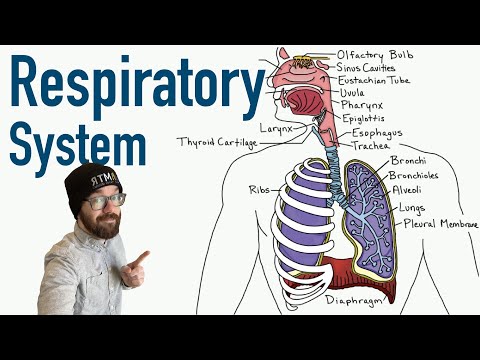
So, let’s talk about the lungs, which are pretty amazing organs, right? They’re your body’s personal air filters and oxygen providers. But understanding lung anatomy can get a bit complicated. A good way to grasp how everything fits together is by looking at a lung anatomy diagram.
The lungs themselves are two spongy organs located in your chest cavity. They sit on either side of your heart. If you took a peek inside, you’d see that they look kind of like big balloons! Each lung has sections called lobes. The right lung has three lobes while the left only has two because, well, it makes room for your heart.
- Right Lung: It has three lobes: upper, middle, and lower.
- Left Lung: It has two lobes: upper and lower.
The outer surface of the lungs is covered by a thin layer called the pleura, which helps reduce friction when you breathe. Basically, it’s like a little protective envelope for your lungs!
You might also hear about the bronchi, which are like the main highways for air entering and exiting your lungs. They branch off into smaller tubes called bronchioles, leading to tiny air sacs known as alveoli. Here’s where the magic happens—these alveoli allow oxygen from the air to pass into your blood while letting carbon dioxide out.
- Bronchi: The large tubes that split off from the trachea into each lung.
- Bronchioles: The smaller branches from the bronchi leading to alveoli.
- Alveoli: Tiny air sacs where gas exchange occurs.
If you ever struggle with something like asthma or bronchitis, it’s often because of inflammation in these areas! Like when you’re trying to breathe through a straw—definitely not fun, right?
A comprehensive diagram can be super helpful for students or anyone interested in biology because it shows how all these parts are connected. Having a visual reference can help bring everything together in your mind. You see how everything links up—the trachea (that’s your windpipe) leads directly into those bronchi and down to those little alveoli.
If you want to find diagrams online—just type “lung anatomy diagram PDF.” You’ll see loads of illustrations showing both labeled parts and just basic shapes that represent them! Just make sure it’s from a reliable source so you get accurate info!
You know, understanding lung anatomy isn’t just textbook stuff; it relates to daily life too! Every time you take a deep breath during yoga or suck in some fresh mountain air on vacation, you’re engaging with this intricate system of yours. Crazy how much our bodies can do without us even thinking about it!
The lungs do their job day-in and day-out without much fuss—that’s why we need to appreciate them more! So next time you’re breathing deeply or maybe catching your breath after running up some stairs, think about all those tiny alveoli doing their thing. Your body is pretty cool!
Comprehensive Left Lung Anatomy Diagram: A Visual Guide for Science Enthusiasts and Students
Alright, let’s talk lungs, specifically that cool left lung of yours. When you think about your lungs, you might picture balloons working hard to fill up with air. But there’s so much more going on! The left lung is a bit of a special character compared to the right one.
First off, the left lung isn’t as big as the right lung. It’s actually smaller because it has to make room for your heart, which sits a bit tilted to the left side of your chest. So, you could say it’s like the considerate sibling in a family!
Now onto some cool stuff about its anatomy:
- Lobes: The left lung has two lobes: the upper lobe and the lower lobe. The right lung, for comparison, has three lobes—so yeah, it gets a little more space.
- Fissures: These lobes are separated by fissures. The left lung has only one major fissure called the oblique fissure that runs diagonally downwards—this helps divide those two lobes.
- Bronchi: Inside the lungs, you have bronchi that branch out like tree limbs. For the left lung, there’s a main bronchus that splits into smaller branches for air to flow easily into each lobe.
- Alveoli: Tiny air sacs called alveoli are where all the magic happens—this is where oxygen gets exchanged with carbon dioxide in your blood!
You may not realize this but each alveolus is like a tiny bubble that gets filled with air when you breathe in. They’re super important because they allow oxygen to go into your bloodstream and help keep your body functioning.
And here’s something interesting: each lung has its own kind of “security guards.” These guard cells are known as macrophages and they help keep your lungs clean by gobbling up dust and germs that might sneak in while you’re breathing.
I remember once during a biology class we had this amazing experiment where we inflated pig lungs with air and watched how they worked. It was such an eye-opener! Seeing those little sacs expand made it clear how important they are for breathing.
So yeah, understanding the anatomy of your left lung isn’t just for science nerds—a solid grasp on how these things work can totally help when thinking about health and breathing issues too! The next time you’re taking a deep breath or even just chatting away with friends, give a little nod to those hardworking organs inside—you’ve got an impressive respiratory system going on!
Detailed Labeled Diagram of Human Lungs: A Comprehensive Guide for Biology Students
Alright, let’s break down the anatomy of the human lungs. They’re like these super important bags in our chest that help us breathe. You know, getting oxygen and all that good stuff? It’s pretty cool how they work, so let’s get into it!
The lungs are located in your chest cavity and are surrounded by the rib cage, which protects them. Each lung is divided into sections called lobes. The right lung has three lobes—superior, middle, and inferior—while the left lung has just two lobes because it makes room for your heart.
Trachea, or windpipe, is what connects your throat to your lungs. It branches into two tubes called bronchi, one for each lung. But wait! Those bronchi split into smaller tubes called bronchioles. It’s kind of like a tree, you know? The trunk (trachea) branches out (bronchi) and then gets smaller (bronchioles).
- Aleurona: These tiny air sacs at the end of bronchioles are where oxygen moves into the blood and carbon dioxide comes out.
- Pleura: Lungs are covered in this slippery membrane that helps them slide easily during breathing.
- Alveoli: The tiny air sacs where gas exchange occurs. They’re like little balloons ready to fill up with air!
A cool thing about alveoli is their surface area! If you laid them all out flat, they’d cover about the size of a tennis court! That’s a lot of space for gas exchange to happen. You might have heard of something called surfactant, too—it’s a liquid that keeps these sacs from collapsing.
The diaphram is another key player here. It’s this muscle at the base of your rib cage that moves down when you inhale, pulling air into your lungs. When you exhale, it relaxes and pushes air out! Seriously cool mechanics if you think about it.
A neat trick our body plays is adjusting our breathing rate depending on activities—like being calm while watching Netflix or panting after a run! This is controlled by our brainstem, which sends signals to change how fast we breathe based on how much oxygen we need or how much carbon dioxide we’ve got hanging around.
If you’re studying biology or just interested in how things work inside us, understanding these parts is key. From the big picture down to those tiny alveoli—the human lungs are an excellent example of nature’s design genius!
You see? Once you get past all the complex terms and fancy diagrams, it’s really just about supporting life and keeping us going day by day.
So, let’s talk about lungs. You know, those amazing organs that let us breathe and do all sorts of incredible stuff. If you’re like me and you find yourself geeking out over how the body works, looking at a lung anatomy diagram can be kinda like opening a treasure map. Each part has its own story to tell.
I remember once sitting in a biology class, staring at one of those diagrams that showed everything from the trachea to the bronchi. Honestly, it blew my mind! I mean, just think about it: this spongy tissue is responsible for taking in oxygen and getting rid of carbon dioxide. It’s like a super-efficient air filter! That diagram was just lines and labels, but it represented something so complex and vital.
So what do we find in there? The lungs are divided into lobes—three on the right side and two on the left—each with its own job. They’re shaped almost like balloons getting ready to fill with air! The bronchi branch out like little roads leading to different parts of those lobes. And don’t forget about the alveoli! They’re those tiny sacs where all the magic happens; this is where oxygen sneaks into your blood while carbon dioxide takes its leave. Honestly, it’s like a tiny party going on at every breath!
And let’s not overlook the diaphragm—it’s not just a muscle; it’s a superstar! It moves down when you breathe in, creating more space for your lungs to expand. It’s fascinating how all these parts work together like an orchestra playing a symphony of breaths.
You might find yourself amazed by how intricate yet simple lung anatomy is when you really start digging into it. Those diagrams might seem intimidating at first glance with all their labels and arrows pointing everywhere, but once you understand what each part does, they become way more interesting.
So next time you get a chance to look at a lung anatomy diagram—really take your time with it! Imagine all the things happening inside your body every second just so you can live and enjoy life. It’s pretty incredible when you think about it, huh?