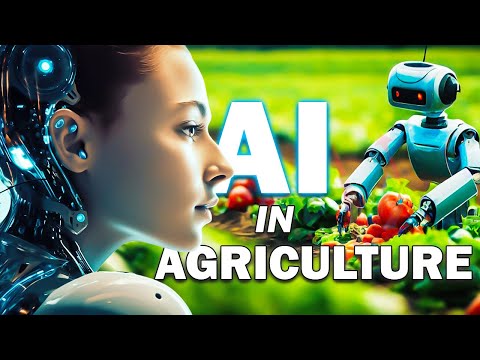
You know, I once tried to grow tomatoes on my balcony. I thought I could just toss some seeds in a pot and voilà! Fresh sauce for pasta nights, right? Well, let’s say my gardening skills need some serious help.
Now imagine if I had a little robot buddy whispering tips to me, predicting the best time to water or when those pesky bugs were about to invade. Sounds cool? That’s pretty much what machine learning is doing for farmers today.
Instead of just guessing and hoping the weather’s gonna be peachy, farmers are using smart tech that can analyze data faster than you can say “organic produce.” It’s like having a cheat sheet for growing plants!
So let’s dig into how these techy tools are changing the game in agriculture. Seriously, it might just make you wanna grow your own veggies—or at least impress your friends with some fun facts at your next dinner party!
Innovative Agricultural Practices: Harnessing Machine Learning for Sustainable Solutions
Sure thing! So, let’s chat about innovative agricultural practices and how machine learning is shaking things up in the farming world. You know, it sounds like something out of a sci-fi movie, but it’s super relevant today.
Imagine you’re a farmer, and you’ve got tons of data to deal with. Weather patterns, soil conditions, crop health—there’s just a lot going on! That’s where machine learning kicks in. It basically helps farmers make better decisions by analyzing this data. Picture it as having a super-smart assistant who can sort through all the info and spot trends that humans might miss.
But what does this look like in real life? Well, here are a few ways machine learning is being used:
- Predictive Analytics: This involves looking at past data to predict future outcomes. For example, if it rained heavily last year during a certain month, machine learning models can suggest approaches for managing crops that month this year.
- Pest and Disease Detection: By using images from drones or satellites, machine learning can identify early signs of pests or diseases on plants. It’s like having eyes in the sky that never miss a detail!
- Irrigation Management: Farmers can optimize their water usage based on weather forecasts and soil moisture levels. This not only saves water but also boosts crop yield—a win-win!
- Yield Prediction: Machine learning algorithms analyze various factors to forecast how much crop will be harvested—really helpful for planning and market decisions.
You might be thinking that’s cool but how did all this come about? Well, remember when I mentioned data? The tech boom has given us tons of it—farming isn’t just about growing food anymore; it’s become highly analytical. Farmers are collecting information from sensors in fields to weather apps on their phones.
Oh! And here’s something emotional: think about the local farmer down the street struggling to make ends meet due to unpredictable weather patterns or pest invasions. With these innovative practices powered by machine learning, we’re not just helping them grow better crops; we’re also supporting their livelihoods and ensuring food security for communities.
And here’s another thing—this isn’t just happening in one part of the world. Around the globe, farmers are adopting these high-tech strategies tailored to their specific needs. It fosters sustainability because they can use resources more efficiently while reducing waste.
Now you might ask yourself: But what about the challenges? Well, implementing these technologies usually requires upfront investment and access to proper training. Not everyone has resources or knowledge right off the bat.
So yeah, embracing machine learning in agriculture isn’t just fancy tech talk; it’s reshaping how we think about farming for good! It’s all about finding smarter ways to grow our food while respecting our planet. Isn’t that just awesome?
Innovative Agricultural Practices: Harnessing Machine Learning for Transformative Solutions in Science
So, let’s talk about agriculture and technology. You might be wondering how machine learning is shaking things up in farming, right? Well, it’s all about making agriculture smarter and more efficient. Here’s the scoop on this exciting blend of science and farming.
Machine Learning Basics
First off, what is machine learning? Think of it like teaching a computer to learn from data just like we do. Instead of programming it with specific rules, you feed it tons of information and let it figure stuff out on its own. Pretty cool, huh?
Now, when you apply machine learning to agriculture, you’re diving into a world where farmers can make decisions based on solid data instead of just gut feelings. This means they can optimize everything from planting times to harvesting methods.
Precision Farming
One of the coolest applications is in what’s called precision farming. This method uses data to manage variations in the field for better yields. For example, farmers can use satellite imagery along with machine learning algorithms to see which areas of their field need more water or nutrients. You wouldn’t believe how much this could save on resources!
– Crop health monitoring: By analyzing images from drones or satellites, machine learning helps detect diseases or pests early.
– Soil analysis: Using sensors in the field can provide real-time data about soil conditions — moisture levels, pH balance — so that farmers can adjust their strategies accordingly.
I remember visiting a local farm where they incorporated soil sensors into their routine. The excitement was palpable; they were able to boost their crop yield by 30%! Imagine that kind of improvement!
Supply Chain Optimization
Okay, but it doesn’t stop there. Machine learning also plays a huge role in optimizing supply chains. With tons of data flying around—like weather patterns and market trends—farmers can make informed choices about when to plant and when to harvest.
– Demand forecasting: By predicting consumer demand using historical sales data, farmers can tailor their production schedules.
– Price optimization: Farms use algorithms that analyze price fluctuations over time to maximize profits while minimizing waste.
There was this farmer who adjusted his production based on predicted demand patterns for seasonal fruits. As a result, he cut down on surplus and avoided spoilage during off-seasons—pretty smart move if you ask me!
Sustainability Efforts
Then there’s sustainability — everyone’s talking about it nowadays! Machine learning helps here too by promoting eco-friendly practices. By analyzing various factors like crop rotation cycles and biodiversity impacts:
– Water efficiency: Algorithms can suggest irrigation practices that minimize water waste.
– Reduced chemical usage: Machine learning models can help determine the right amount of fertilizers or pesticides needed at any given time.
You see? It’s not just about bigger yields; it’s also about being kinder to our planet.
The Future Looks Bright
Looking ahead, the integration between agriculture and machine learning is bound to grow even deeper. Farmers will rely more on predictive analytics for everything from weather forecasts impacting planting decisions to creating more resilient crop varieties through advanced biotechnology.
So yeah, machine learning is transforming agriculture into something revolutionary! It makes farming not only more productive but also smarter and more sustainable for generations down the line. Isn’t that amazing?
Harnessing AI for Sustainable Agriculture: Innovative Solutions for Global Food Security in Science
So, let’s chat about harnessing AI for sustainable agriculture and how it’s shaking things up in the quest for global food security. It’s a pretty exciting topic, you know?
Imagine farmers having super-smart helpers who can analyze tons of data in a blink. That’s what AI does! By using machine learning, we can predict crop yields, detect plant diseases early, and optimize resources like water and fertilizer. Isn’t that cool?
How does this actually work? Well, here are some key points to consider:
- Data Analysis: AI systems collect and process data from sensors, drones, and satellites. They look at weather patterns, soil health, and even market trends.
- Crop Monitoring: With machine learning algorithms, farmers can identify issues like pests or diseases right when they begin. This means they can act fast!
- Precision Agriculture: Instead of using the same amount of resources everywhere on their fields, farmers can target specific areas. This kind of tailoring helps save resources and boost yields.
- Sustainable Practices: By analyzing data on soil health and water usage, AI can help farmers adopt more sustainable practices that benefit both their profits and the planet.
Let me share a little story here. There’s this farmer named María who grows avocados in Mexico. She was struggling with pests that kept taking over her crops. Then she decided to try an AI-driven system that analyzed the health of her plants through images taken by drones. Within weeks, she was able to target specific areas for treatment instead of spraying chemicals everywhere—saving money and keeping her farm healthy!
Also worth mentioning is how **collaboration** between tech companies and agricultural experts is paving new paths forward. Organizations are developing platforms where knowledge is shared globally among farmers via mobile devices or apps.
But it doesn’t stop there! Think about urban farming too! AI helps optimize those small spaces by managing lighting, watering schedules, and nutrient mixes to ensure city-dwellers get fresh produce right from their rooftop gardens.
Anyway, what I’m saying is that harnessing AI in agriculture isn’t just some futuristic dream; it’s happening now! By combining technology with traditional farming wisdom, we’re building a more resilient food system. The challenges are real—climate change affects yields—but with smart tools at our fingertips, there’s hope for feeding a growing population while respecting our environment.
So yeah, in summary: AI offers innovative solutions for sustainable agriculture that could lead us towards better food security globally! Exciting times ahead!
Okay, so let’s talk about this whole machine learning thing in agriculture. It’s pretty wild when you think about it! I mean, just a few years ago, we were still trying to figure out how to grow more food in a world with an ever-growing population. And now? We’ve got computers analyzing data like nobody’s business, helping farmers make smarter decisions.
Picture this: my grandfather had a small farm back in the day. He’d wake up before dawn, inspect the crops, and rely on instinct and experience to decide when to plant or harvest. I can’t help but feel nostalgic thinking about those early mornings with him, smelling damp earth and fresh air. But fast forward to today—and it feels like a whole new ballgame.
With machine learning, farmers can use data from soil sensors, weather forecasts, and even satellite images to predict crop yields or detect diseases before they become a big issue. It’s like having a superpower! Imagine being able to spot that pesky pest sneaking around your cornfield before it’s too late. It gives farmers the ability to be proactive instead of reactive. And hey, that could mean less pesticide use and healthier crops!
But here’s the kicker: it’s not just about efficiency or making money (which is totally important!). There’s also this huge potential for sustainability. By using resources more wisely—like water and fertilizers—we can help protect the environment while still feeding everyone. That feels pretty good, right?
Of course, there are challenges too. Not every farmer has access to these fancy technologies or the data needed for machine learning models. And there’s something really special about that connection between humans and nature that no algorithm can replicate—like my grandpa feeling the texture of soil between his fingers.
So as we harness machine learning in agriculture, it feels crucial to find that balance. Blending technology with tradition might just lead us toward a future where farming is not only smarter but also more compassionate towards our planet.
Honestly? It’s kind of exciting—seeing how innovation could reshape something so fundamental as growing food! You know what they say: necessity is the mother of invention. Let’s hope it leads us down an awesome path together!