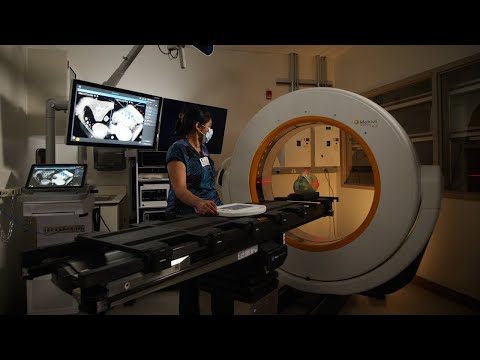
So, I was reading this study the other day, right? It said something like 1 in 3 people will face cancer at some point in their lives. That’s a pretty wild stat. I mean, it’s enough to make you want to throw your hands up and scream!
But here’s the thing—there are brilliant minds out there hustling every day to fight this. One place making some serious waves is MD Anderson Cancer Center. They’re all about pushing the envelope when it comes to cancer research.
You’ll find scientists and doctors who dive deep into figuring out new treatments and therapies. It’s like watching a superhero team, but instead of capes, they wear lab coats and glasses.
Let me tell you; they don’t just sit around waiting for answers to magically appear. They’re out there cracking the code on one of life’s toughest challenges! Want to know how? Let’s chat about the incredible strides they’re making and what it all means for people like us.
Exploring MD Anderson’s Pioneering Role in Cancer Research
So, MD Anderson Cancer Center is kinda like the rock star of cancer research. Located in Houston, Texas, it’s famous not just for treating patients but also for making significant strides in understanding cancer. Seriously, their role in advancing cancer research is really impressive and quite essential for tackling this complex disease.
First off, you should know that MD Anderson was one of the first comprehensive cancer centers established back in 1971. The goal was to not only treat cancer but also to push forward research and prevention strategies. They really focused on teamwork from the start; oncologists, researchers, and specialists have always collaborated closely to share knowledge and insights.
One key aspect of their research is how they’ve pioneered new treatments, especially immunotherapy. This approach uses the body’s own immune system to fight cancer cells. It’s like giving your immune system a pep talk! For instance, they were instrumental in developing checkpoint inhibitors which help unleash immune responses against tumors that were previously hidden from detection.
Another interesting thing about MD Anderson is their dedication to clinical trials. They run tons of these studies—like seriously thousands every year! This means that patients often have access to cutting-edge therapies that might not be available elsewhere. Imagine being part of something that’s literally shaping the future of medicine!
They’re not just about treatment though. MD Anderson has been pushing hard on prevention and early detection as well. Initiatives include community outreach programs that educate people about risk factors and screenings. Think about it—if you catch something early on, your chances of successful treatment really skyrocket!
And let’s chat about research funding; it’s vital for keeping everything moving forward. The center receives a significant amount of support from sources like the National Cancer Institute (NCI), allowing them to explore innovative ideas without always worrying about finances.
On a personal note, I remember hearing stories from cancer survivors who attributed their recovery to treatments developed at centers like MD Anderson. It’s eye-opening how much research translates into real-life hope for families facing such tough battles.
In summary, MD Anderson’s pioneering role in cancer research encompasses everything from innovative treatments through immunotherapy to extensive clinical trials and community outreach aimed at prevention. Their collaborative spirit is at the heart of what they’re doing: fighting against one of humanity’s most challenging foes with intelligence and compassion all wrapped into one massive effort! Isn’t that just incredible?
Breakthrough Cancer Drug Achieves Unprecedented 100% Success Rate: A New Era in Oncology
Cancer treatment has been a rollercoaster ride for many years, full of ups and downs. Recently, there’s been buzz around a new drug claiming a jaw-dropping 100% success rate in treating certain types of cancer. That’s amazing, right? But before we get too carried away, let’s break this down.
First off, it’s important to remember that cancer isn’t one thing; it’s like an umbrella term for over 100 different diseases. So when you hear about a drug achieving this kind of success, it’s essential to know what types of cancer we’re talking about. This particular breakthrough might be showing results in specific cancers like melanoma or certain blood cancers. And while that sounds super promising, it doesn’t mean that every type of cancer is suddenly going to be cured.
Now, success rates in clinical trials can sometimes be misleading. When researchers say “100%,” they usually refer to the group of patients who responded positively during the trial stage. It doesn’t necessarily account for long-term outcomes or the bigger picture on how these patients fare years down the road. Some might experience side effects or relapses after treatment ends—stuff like that is crucial to consider.
The process behind these breakthroughs is fascinating too! Researchers often use high-tech methods and deep analysis to understand how cancer cells grow and behave. They might tweak existing drugs or even develop new compounds altogether based on genetic research or biological markers found in tumors. This kind of personalized approach means treatments are becoming more tailored to individual patients instead of taking a one-size-fits-all method.
There’s also talk about how this drug works on a molecular level. These therapies may target specific pathways that cancer cells use for growth and survival—kinda like shutting off the lights in a room so they can’t thrive anymore! However, anytime something seems too good to be true, it’s wise to take a step back and ask questions.
That brings us to clinical trials. These are essential not just for testing effectiveness but also for understanding side effects and finding out who benefits most from the drugs. For now, we need those trials to look at diverse groups of people – different ages, backgrounds, health conditions – so we really know how effective this treatment is across various populations.
And it’s not just about getting excited over one miracle drug; advancements in technology and research lead us closer toward more comprehensive approaches toward treating all forms of cancer. Think immunotherapy and targeted therapies—troubling paths that seem daunting have turned into promising avenues for many patients.
Ultimately, while this breakthrough sounds encouraging—it reminds me of stories I’ve heard from friends who’ve fought their own battles with cancer: no two journeys are alike. Every person’s experience can differ wildly based on countless factors.
So as researchers continue their work at places like MD Anderson Cancer Center or others around the globe pushing boundaries everyday; keep your hopes high but stay curious too! The future looks bright—but let’s continue asking questions along the way!
Impact of MD Anderson’s 2025 Clinical Trials Halt on Cancer Research and Treatment Advances
Well, the recent news about MD Anderson halting its clinical trials by 2025 has gotten a lot of folks talking, and with good reason. This place has been at the forefront of cancer research. So, what does this all mean for cancer treatment and our understanding of the disease? Let’s dig in.
First off, clinical trials are pretty much the backbone of medical progress. They’re essential for testing new treatments before they become available to the public. When a major center like MD Anderson presses pause on these trials, it sends ripples through the entire research community.
– The collaboration network can suffer. Researchers rely on one another to share findings and results. A halt means less data circulating among institutions.
– Patient access to new treatments can dwindle, leaving those in need with limited options.
The thing is, halting these trials doesn’t just affect MD Anderson; it affects patients everywhere who might benefit from novel therapies being tested there.
Now think about the **type** of work that could be affected. MD Anderson has been involved in cutting-edge studies—like CAR T-cell therapies that train your immune system to fight cancer effectively. If these stops suddenly, vital breakthroughs could stall.
Plus, new combinations of existing drugs are often explored during clinical trials; without those studies moving forward:
– Innovations might get delayed.
– Existing knowledge might not reach its full potential.
What happens now is that other research centers may have to pick up slack. This can lead to a **resource strain** elsewhere because everyone will scramble to fill in the gaps left by MD Anderson’s pause.
There’s also a psychological aspect for patients waiting on results from clinical trials or hoping for new treatment options. It creates uncertainty at a time when many are already feeling vulnerable and scared about their diagnosis.
And let’s not forget funding! Major institutions like MD Anderson attract massive investments for cancer research:
– With trials on hold, funding may shift away from innovative projects.
– Companies who partner with such centers may reconsider their investments or pivot entirely.
In a larger context, this stoppage could reshape how we perceive cancer research timelines moving forward. If one of the top players takes a break, it makes everyone evaluate what’s going on in their labs too!
So yeah, while this decision might come from various logistical reasons—like regulatory hitches or strategies—it affects way more than just one institution’s agenda in the grand scheme of cancer research and treatment progress.
In summary, when you think about it:
So that’s the deal! The impact is multifaceted and goes beyond just one institution stopping its work; it will echo through labs and hospitals everywhere!
You know, when it comes to cancer research, it’s a topic that hits close to home for many of us. Whether you’ve seen a loved one face this battle or you’ve had your own run-in with it, the feelings that come along with those experiences are intense. There’s this mix of hope and despair that you just can’t shake off.
So let me tell you a bit about MD Anderson Cancer Center. It’s basically one of those places where science meets real human stories—stories of struggle, resilience, and hope. Researchers and doctors there are working hard every day to find new ways to understand this complex disease. Their focus isn’t just on treating cancer but also on preventing it and improving the quality of life for patients through innovative therapies.
I remember chatting with a friend who had gone through treatment at MD Anderson. The way she described her experience was eye-opening—it was like she wasn’t just another patient; she felt seen and heard by the team there. You could almost feel her gratitude as she talked about how personalized her treatment was—like they really took the time to craft a plan just for her, based on her unique situation.
The thing is, advancements in cancer research don’t happen overnight; they’re often built on years of hard work and sometimes painful setbacks. Scientists are constantly learning from each trial, each failure leading to breakthroughs later down the line. It’s such a rollercoaster! How cool is it that something that starts as an obscure lab experiment can eventually turn into a new treatment that saves lives?
Plus, MD Anderson is all about collaboration too. They partner up with various institutions around the world, bringing in diverse minds and expertise because tackling cancer requires fresh perspectives. It’s like assembling an Avengers team for science! This teamwork helps fast-track discoveries and get them from the lab into clinics where they can actually help patients.
So yeah, even if you’re not directly involved in research or medicine, you can’t help but feel connected to these efforts. Every bit of progress can mean more lives saved or improved for families everywhere—kind of gives you chills thinking about how interconnected we all are when facing such challenges together. And who knows? The next breakthrough might be just around the corner!