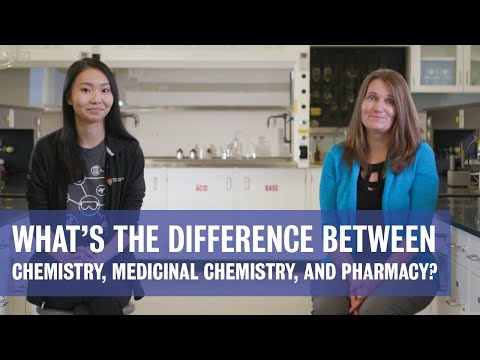
So, picture this: you’re in a lab, surrounded by weird-looking beakers and bubbling liquids. You’ve got your safety goggles on, and it feels a bit like you’re starring in your own science movie. Pretty cool, right?
Well, that’s what some folks with a medicinal chemistry degree get to do! They mix stuff together, trying to come up with the next big drug that could save lives or even just help you feel better when you’ve got the sniffles.
But really, what does studying medicinal chemistry mean for scientific research? It’s not just about cooking up potions; it’s way deeper than that. You follow me? Like, it’s about understanding how molecules interact with our bodies and diseases.
So stick around! We’re gonna chat about how this degree plays an essential role in unlocking medical mysteries and shaping the future of healthcare. Sounds exciting, huh?
Exploring the Role of Medicinal Chemists in Scientific Research and Drug Development
Sure, let’s break down what medicinal chemists do in the world of scientific research and drug development. It’s actually pretty cool when you think about it!
Medicinal chemistry is a branch of chemistry focused on designing and developing new drugs. Medicinal chemists are like the architects of pharmaceuticals. They create compounds that can help treat various diseases. But it’s not just about throwing random chemicals together; there’s a whole lot of science behind it.
First off, medicinal chemists work **closely with biologists** and pharmacologists. Why? Well, they need to understand how diseases work and what kind of molecules can influence those biological processes. So, they start by studying existing drugs, figuring out what works and what doesn’t.
Designing New Compounds
Once they’ve got a grip on the current treatments, they dive into compound design. This is where their creativity really shines! Using advanced computer simulations, they can predict how different atoms will interact with biological targets in our bodies. Think of them as puzzle solvers but instead of jigsaw pieces, they’re fitting together atoms to create effective medicines.
Synthesis
After designing these compounds on paper (or screen), it’s time to bring them to life through synthesis. This is where things get hands-on. Medicinal chemists carry out chemical reactions in labs to produce their designed molecules. It requires precision and understanding – you mess up one step, and the whole thing could go sideways!
Testing for Efficacy
Next up is testing those new compounds to see if they actually have the desired effect against diseases. This involves collaborating with other scientists who study cells or animal models—basically, making sure that what they created isn’t just cool-looking but also effective!
Tweaking for Improvement
Often, a compound might work but isn’t as effective or safe as needed. That’s where medicinal chemists get to tinker! They tweak molecular structures based on test results until they find something that hits all the right notes: strong enough to fight disease but safe for humans.
The Bigger Picture
And don’t forget about regulation! Medicinal chemists also need to navigate through guidelines set by health authorities like the FDA when moving from lab bench to pharmacy shelf. It’s a rugged path filled with paperwork and protocols ensuring everything is safe before hitting the market.
In essence, medicinal chemists are crucial players in drug development—they bridge chemistry with biology and ensure that new medications are both innovative and effective. It takes years of study and lots of collaboration with experts from different fields.
So next time you hear about an exciting new drug coming out, think about all those dedicated medicinal chemists behind the scenes making it happen! They’re not just scientists; they’re problem solvers aiming for healthier lives around the globe!
Exploring Career Opportunities with a Degree in Medicinal Chemistry: Pathways in the Science Field
So, you’re looking into a degree in medicinal chemistry, huh? That’s awesome! It’s such an exciting field that blends chemistry, biology, and even a bit of medicine. You’ll be playing a role in developing new drugs and therapies. But what does that mean for your career options? Let’s break it down.
First off, with a degree in medicinal chemistry, you’re setting yourself up for a variety of cool pathways. One major route is **pharmaceutical research**. Basically, you’d be involved in designing and testing new compounds that could potentially become the next big medication. Imagine working on something that could change lives!
You could also find yourself in **regulatory affairs**. This is where you ensure that all those new drugs meet safety and efficacy standards before they hit the market. It’s like being the gatekeeper for public health!
Another fascinating avenue is **clinical trials**. Here’s where you get to work closely with patients to see how effective those drugs are. It can be incredibly rewarding—it’s real-life science at work!
And let’s not forget about **academic research** or teaching! If you’re passionate about sharing your knowledge, you could end up as a professor or a researcher at a university. There, you’d not only conduct experiments but also inspire the next generation of scientists.
Now, if you’re thinking about working outside of traditional labs and universities, there are also opportunities in **biotech companies** and even **government agencies**. These roles often involve applying your chemistry skills to real-world problems—like finding ways to create more sustainable medications.
And get this: the skills you learn aren’t just useful in labs or hospitals; they can also transfer to fields like **patent law**, helping protect inventions made by scientists like yourself! That one might surprise some folks.
In addition to these specific roles, possessing strong problem-solving abilities and analytical skills is essential across all pathways. You’ll become someone who knows how to think critically—always a plus no matter where you land!
So yeah, if you’re thinking about jumping into medicinal chemistry, know that it opens up so many doors! It’s all about taking your passion for science and turning it into whatever career path resonates most with you.
Just remember: every career journey is unique! So whether you’re knee-deep in lab work or influencing drug policy at high levels—you’ve got so many possibilities ahead!
Career Opportunities with a PhD in Medicinal Chemistry: Exploring Job Paths in the Science Field
So, you’re thinking about diving into a PhD in Medicinal Chemistry? Nice! This field is all about blending chemistry with biology to design new drugs. It’s challenging but pretty rewarding. Now, let’s chat about the career paths that open up for you once you’ve got that shiny degree.
First off, many PhD graduates end up working in pharmaceutical companies. It’s like the dream job for many because you’ll be part of the exciting process of developing new medications. You could find yourself involved in drug discovery, optimization, or even clinical trials. Think of it as being on the front lines of making cutting-edge medicine that can save lives.
Then there are positions in biotechnology firms. These companies often focus on biologics—drugs made from living organisms. Your expertise would be super handy here, especially in protein engineering and drug formulation. Plus, biotechs tend to be fast-paced and innovative places; one day you might be working on cancer therapies and the next on gene editing!
You might also consider academia. Many folks with a PhD head into universities as researchers or professors. It’s not just about teaching; you could mentor students and lead your own research projects. Just picture it: contributing to science while inspiring the next generation of chemists!
Sometimes people ask if there’s a future in government research labs. Absolutely! Organizations like the National Institutes of Health (NIH) or FDA need skilled chemists to help with public health initiatives or regulatory science. Your work could directly impact how drugs are tested and approved for public use—a huge responsibility!
Let’s not forget about contract research organizations (CROs). These companies offer research services to pharmaceutical firms so they can outsource some of their projects. Working at a CRO can give you diverse experiences since you’ll often juggle multiple tasks across various clients.
And if you’re into something really different, consider roles in regulatory affairs. This path focuses on ensuring that medicines are developed safely and comply with regulations before hitting the market. You’d be like a bridge between science and law—making sure everything ticks those boxes.
For those who enjoy being entrepreneurial, some choose to start their own companies based on innovative ideas they’ve developed during their studies. It’s risky but also thrilling when your concept hits off!
Finally, don’t overlook science communication. With your background—you know how drugs work inside our bodies—you could educate the public or influence policy decisions through writing or speaking engagements.
In short, a PhD in Medicinal Chemistry opens doors across various sectors—from pharma to academia to government labs—offering opportunities that can truly align with your passions and interests. Every job has its unique perks and challenges, but hey, that’s what makes it exciting, right?
You know, when most people think about science, they might picture lab coats, test tubes, and maybe some bubbling concoctions. But there’s so much more to it. Take medicinal chemistry, for example. It’s like the secret sauce behind developing new medicines, and honestly, if you ask me, that’s pretty cool.
Imagine being in a lab working on something that could change lives. I remember talking to a friend who had just graduated with a degree in medicinal chemistry. She was super passionate about finding treatments for diseases that don’t have cures yet. The drive she had while explaining her projects was infectious—like she was on a mission or something! You could just feel how much she cared about making a difference.
So what does this degree really do? Well, it blends chemistry and biology together like peanut butter and jelly—two awesome things that work better together. With this education, you learn all about the design and synthesis of new compounds that can become drugs. It’s not just about mixing stuff together; it’s about understanding how those mixtures interact with your body at the molecular level. Pretty mind-boggling if you think about it!
Now, let’s talk research because that’s where the fun happens. A medicinal chemistry degree opens up doors to various research opportunities—from drug discovery to testing out new treatments in clinical trials. Scientists are constantly trying to find newer molecules that can target specific diseases better. It’s kinda like being a detective of sorts—figuring out which compounds can best interact with disease targets while keeping side effects low.
What’s even cooler is that this field is always evolving! With advancements in technology and techniques—like artificial intelligence stepping into the game—there’s a whole new world of possibilities for medicinal chemists to explore new frontiers in health care.
Of course, it’s not all sunshine and rainbows; there are challenges too. Finding effective drugs isn’t easy; it takes time, resources, and sometimes many failed attempts before hitting success. But when you finally see the results of your work impacting people’s lives or even saving them? That must make everything worth it.
And hey, let’s not forget teamwork! In research labs, you’re usually part of an interdisciplinary team where ideas bounce back and forth among chemists, biologists, pharmacologists—you name it! It creates an atmosphere full of energy and creativity.
So yeah—if you’re considering studying medicinal chemistry or are just curious about what these brilliant minds do behind the scenes—it’s honestly more than textbooks and lectures; it’s passion mixed with science ready to take on some heavy-hitting global health issues! I can’t help but admire those venturing down this path—they’re literally shaping our future one compound at a time!