You know that moment when you’re outside, surrounded by plants, and you think, “Wow, how did these little green guys become so amazing?” Well, there’s a ton of cool stuff happening in modern botany that makes you want to dig deeper—pun intended!
Imagine this: a scientist in a lab playing matchmaker but for plants. They take this fancy gadget and create hybrids that can survive in crazy climates! How wild is that?
And it’s not just about the science; it’s about sharing this cool knowledge with everyone. Seriously, who wouldn’t want to know why some plants can thrive without much water while others need constant pampering?
Anyway, let’s chat about what’s brewing in the botany world and how it connects us all. It’s like a secret garden waiting to be explored!
Key Breakthroughs in Botany: Exploring Major Advancements in Plant Science
Let’s chat about the latest and greatest in botany. Plants might seem simple at first glance, but they’ve got a lot going on beneath the surface, like, seriously! So let’s explore some key breakthroughs that are making waves in plant science these days.
Genetic Modification has taken center stage. Over the years, scientists have learned to tweak plant genes to create better crops. Imagine corn that can resist pests without pesticides or tomatoes that last longer without spoiling. You know what this means? Less waste and more food for everyone!
Another cool breakthrough is the CRISPR technology. It’s a fancy way of saying we can edit genes with pinpoint accuracy. Think of it like using a pair of scissors for DNA! Researchers can now help plants grow faster or be more resilient against diseases. This isn’t just sci-fi; it’s happening right now!
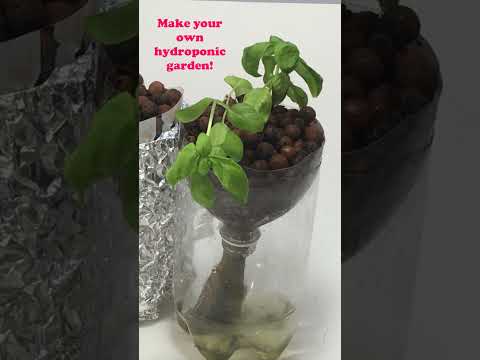
Then there’s Hydroponics. This technique lets plants grow in nutrient-rich water instead of soil. It’s super handy for urban gardening—like growing fresh basil on your balcony! Hydroponics saves space and water while producing tasty veggies.
Now let me tell you about plant communication. Yup, you heard that right! Plants “talk” to each other through root systems and chemical signals. When one plant is stressed—say from pests—it can send out warning signals to neighbors, so they prepare defenses too. Sounds like a sci-fi movie plot, huh?
And we can’t forget about sustainable agriculture practices. With climate change knocking at our door, farmers are looking into methods like crop rotation and intercropping to keep soil healthy and ecosystems thriving. These techniques boost biodiversity and help combat pests naturally.
Oh! And there’s something interesting called phenotyping, which helps scientists study how plants react to environmental changes. Using advanced imaging technologies, researchers can analyze traits like leaf size or blooming times more easily than ever before.
Finally, biotechnology in forestry is a hot topic too! Scientists are developing disease-resistant trees which could save forests from bugs and fungi that are wreaking havoc around the globe.
So yeah, these advancements not only push our understanding of plants but also help us tackle some pressing global challenges like food security and climate change! It’s amazing what happens when science gets down to business with nature. Plants aren’t just green things in your garden; they’re part of our future!
Exploring Innovation in Botany: Advancements and Trends in Plant Science
When you think about botany, it’s easy to picture a bunch of plants and maybe some nerdy scientists in lab coats, right? But the thing is, modern botany is way more dynamic than that. It’s evolving fast, thanks to some really cool innovations and trends that are reshaping how we understand plants.
One major development is the rise of genetic engineering. Scientists can now tweak plant genes to enhance traits like drought resistance or pest tolerance. Imagine crops that can survive harsh conditions! That’s not just great for farmers; it could also help us tackle food shortages in areas affected by climate change.
Then there’s CRISPR technology, which sounds like something out of a sci-fi movie but is very real. This gene-editing tool allows scientists to make precise changes in the DNA of plants. With CRISPR, you could potentially create a tomato that lasts longer on the shelf or one that has improved nutritional value without adding any weird chemicals.
And let’s not forget about plant-based solutions. More people are recognizing the environmental impacts of meat production, so plant science plays an essential role in developing alternatives. For instance, lab-grown meat relies heavily on plant extracts for growth mediums. It’s all about creating new food sources while being kinder to our planet.
But it isn’t just about high-tech labs and fancy tools. There’s also a big push for sustainable practices. Farmers are starting to adopt techniques like crop rotation and organic farming to keep soil healthy and ecosystems balanced. You know, those fuzzy veggies from your local farmer’s market? Yeah, they come from these practices!
- Biodiversity conservation: Botanists are working hard to preserve rare species and their habitats. They’re studying endangered plants and how they interact with their environments, making sure they don’t disappear on our watch.
- Aeroponics and hydroponics: These methods let you grow plants without soil! Instead, they use nutrient-rich water or mist—perfect for urban gardens where space is tight.
- Crowdsourcing data: With citizen science apps, everyday folks can contribute information about local flora, helping researchers monitor trends in plant health across various regions.
A little while ago, I was at this community garden event. It was wild! People were swapping seedlings and sharing stories about growing heirloom tomatoes or struggling with pests organically. It was clear there was so much passion around preserving traditional farming knowledge while still embracing modern techniques. You could practically feel the excitement buzzing in the air!
The intersection of technology and tradition in botany is seriously amazing right now. So yeah, whether we’re talking about genetic advancements or going back to our roots (literally!), it’s all part of a bigger picture aimed at sustainability and innovation in plant science.
Overall, as we keep pushing boundaries in understanding plants—through innovation—we’re also finding ways to secure our future food supplies while respecting nature’s balance. And honestly? That’s something worth celebrating!
Emerging Scientific Approaches Shaping 21st Century Plant Biology: Innovations and Insights
Plant biology is stepping into a super exciting era. You know, with all the new tech and ideas popping up, it’s like we’re getting a backstage pass to the world of plants. Let’s take a look at what’s going on and how these innovations are changing the game.
CRISPR Technology is probably one of the coolest things happening right now. It’s like plant biology’s version of Wikipedia editing. Scientists can use it to make precise changes to plant DNA, enhancing traits like disease resistance or drought tolerance. Imagine being able to modify a crop so it can survive in tough conditions; that could totally change agriculture.
Then there are advanced imaging techniques. Think about this: instead of just looking at leaves under a microscope, we can now use high-tech imaging tools that reveal how plants grow in real-time. This gives researchers insights into how plants respond to different environments. It’s almost like watching a plant reality show unfold before our eyes!
And let’s not forget about synthetic biology. This wild field allows scientists to design new biological parts for plants or even create entirely new organisms from scratch! For instance, they’re working on engineering plants that can produce medicine or biofuels. That’s right—your next energy source might just come from a sunflower.
Plant-microbe interactions are also getting more attention. Researchers are digging deep into how plants communicate with the microbes in their soil. These relationships are crucial for plant health and nutrient uptake. By understanding these interactions better, we could promote healthier crops without relying heavily on fertilizers.
Now, there’s also been an uptick in using big data and machine learning. By analyzing massive datasets—from environmental factors to genetic info—scientists can predict how different plants might respond to climate change or identify which crops will thrive best in certain areas. It’s like having GPS for growing things!
Community engagement has become vital too! More scientists are reaching out to schools and communities about their work in botany, making it more relatable and exciting for everyone. Workshops, urban gardens, you name it—they’re everywhere! Engaging people helps spread awareness about why we should care about plants and biodiversity.
Finally, there’s this big push towards sustainable practices. Innovations aren’t only focused on what we can do; they’re looking at what we should do too. Researchers are emphasizing organic farming techniques and permaculture principles that minimize harm to ecosystems while promoting productivity.
So yeah, basically plant biology is adapting rapidly thanks to these emerging approaches! Whether through CRISPR advancements or community outreach programs, we’re seeing some serious innovation that’s changing not just science but how we interact with nature itself—and that’s pretty awesome!
You know, I was thinking about how much our understanding of plants has changed over the years. I mean, when you look at botany now compared to, say, a hundred years ago, it’s like night and day. Back then, people were just trying to figure out what plants to eat or which ones gave you a rash—no offense to my great-great-grandparents!
Anyway, nowadays we’ve got these amazing innovations that are opening up so many doors in this field. For example, take genetic engineering. Scientists can tweak plant DNA like it’s a computer program! This means we can create crops that are more resistant to diseases or pests and even ones that can grow in harsh climates. Isn’t that incredible?
I remember visiting this community garden last summer. There was this elderly gentleman there who had been growing vegetables since he was a kid. He told me how hard it was for farmers back in the day. They had no choice but to rely on nature’s whims. But now? With everything we know about plants’ genetic makeup, growing food is becoming more predictable and efficient.
But here’s where it gets tricky. These advancements often come with mixed feelings from the public. Some folks are super excited about genetically modified organisms (GMOs), while others have their doubts—like wondering if they’re safe to eat or how they might affect the environment. And that’s where scientific outreach plays a huge role! We need educators and scientists out there sharing knowledge and connecting with people.
Instead of just throwing facts at us, they could tell stories—like those sweet tomatoes you find at farmer’s markets or how certain plants can save water during droughts. It makes science feel real and relevant! When innovators in botany reach out effectively, it builds trust and understanding.
So yeah, innovations in botany are changing the way we interact with our planet’s green friends—and as we move forward, bridging the gap between science and everyday life feels more important than ever. Who knows? The next time you bite into a delicious peach or sprinkle some herbs on your food, there might be pioneers working behind the scenes to make sure those flavors thrive for generations! Isn’t that worth talking about?