So, I was at this barbecue last summer, right? Everyone’s chatting away about food and grilling techniques when someone drops the bomb: “Did you know some corn in our nachos is genetically modified?”
I mean, it made me pause. Like, really? Crazy how we munch on stuff without even knowing half of it.
Monsanto is a name that pops up a lot when you dive into the world of genetically modified crops. It’s like the cool kid in school—everyone knows them, but not everyone gets why they’re so important.
So let’s break it down. What does it all mean for us? And why should you bother caring? Stick around; it’s gonna get interesting!
Exploring Monsanto’s Role in GMO Development: Myths, Facts, and Scientific Insights
Well, let’s chat about Monsanto and the whole genetically modified organism (GMO) scene. You might have heard a lot of rumors, stories, and even some scary things about them. So, what’s fact and what’s fiction? Buckle up!
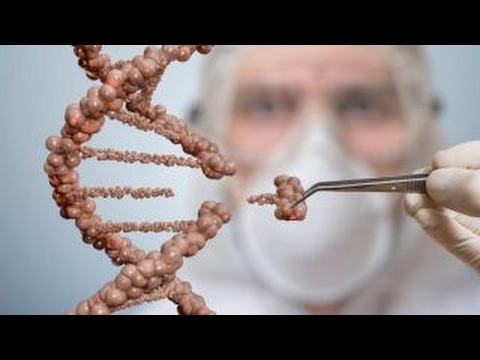
First off, Monsanto is a company that has been in the agricultural game for quite some time. Founded way back in 1901, they started out with sweeteners like saccharin. But over the decades, they shifted focus to agriculture and began developing genetically modified crops. The idea behind GMOs is pretty simple: scientists tweak plants’ DNA to make them better in some way—like resisting pests or needing less water.
But here’s the thing: people often confuse facts with myths. A common myth is that all GMOs are harmful to health or the environment. This isn’t really backed by science! Multiple studies show that GMO crops are just as safe as their non-GMO counterparts when it comes to human health.
However, there are concerns you can’t ignore. Some folks worry about biodiversity loss because when farmers use a few GMO varieties over many years, it can lead to decreased genetic diversity in crops. This might sound nerdy but think of it like having a family tree with only a few branches; if something goes wrong with those branches, your whole family tree could be at risk!
Now let’s talk about pesticide use, which is another hot topic. Some GMO crops are engineered to be resistant to certain pests or diseases, which means farmers can use fewer pesticides overall. But sometimes this leads to farmers using more of other types of chemicals because new pest varieties pop up—like playing whack-a-mole! So, while GMOs often lead to reduced pesticide use initially, it can create challenges down the road.
Another thing people mention is control over seeds and food supply by companies like Monsanto. Each year, some seeds are engineered to not produce viable seeds for new plants (a process known as “terminator technology”). Farmers have to buy fresh seeds annually rather than saving old ones—which annoys many people who value traditional farming practices.
It’s super important to note that agricultural innovation has its upsides too! Take drought-resistant corn; during tough weather conditions, it can yield more than traditional varieties. This may help feed growing populations without needing more land.
In essence, while Monsanto plays a big part in developing GMOs and has fueled agricultural advancements, there are layers of complexity here—they’re not all good or all bad! You’ve got benefits like increased yields and pest resistance on one side but challenges regarding biodiversity and corporate control on the other.
Understanding these nuances helps you form a solid opinion instead of just going along with whatever headlines scream at you next time you scroll through your feed! That way you can engage in discussions around food safety and environmental impact based on facts rather than fear. And honestly? That sounds like the best way forward for everyone involved!
Exploring the Leading Bioengineered Foods in the USA: A Scientific Perspective
Sure! Let’s talk about bioengineered foods and how they’re shaking things up in the U.S. agricultural scene, especially with the work done by companies like Monsanto. You might have heard a lot of stuff about genetically modified organisms (GMOs), but what does it all mean anyway?
First off, bioengineered foods are basically crops that have had their DNA tweaked a bit in the lab to give them special features. Imagine your favorite strawberry with extra vitamins or corn that’s super resistant to pests. The idea is to make food more nutritious and easier to grow, which sounds great, right?
Monsanto, now part of Bayer, has been one of the biggest players in this field for years. They’ve developed several crops using biotechnology that are widely used today. Let’s break down some of the leadings ones:
- Bt Corn: This is corn genetically modified to produce a naturally occurring toxin from the bacterium Bacillus thuringiensis (hence “Bt”). This means it can fend off pesky insects without needing tons of pesticides.
- Herbicide-Resistant Soybeans: These soybeans can survive applications of certain weed killers like glyphosate. Farmers love them because they can spray their fields without harming the crop.
- Drought-Resistant Maize: In areas where water is scarce, this maize can grow with less moisture than traditional varieties, which is super important as climate change messes with weather patterns.
- Golden Rice: Designed to combat vitamin A deficiency, this rice has been enhanced with beta-carotene. It’s a lifeline for many communities where diets lack essential nutrients.
Now let me tell you something kind of cool—when I was a kid, my grandpa was a farmer and he always worried about pests ruining his crops. I remember watching him spray pesticides on hot summer days and thinking it looked exhausting! Fast forward to today, and farmers have new tools thanks to biotech that help reduce that back-breaking work while also protecting the environment.
But wait—there’s always a flip side! Some folks are concerned about GMOs for various reasons: potential health risks or environmental impacts being at the top of the list. It’s like anything else; innovation comes with questions we need to think through carefully.
Studies show that GMOs are safe for human consumption according to major health organizations around the world including WHO and FDA. Yet still, people want transparency in labeling so they know what they’re eating—who wouldn’t want that?
So there you have it! Bioengineered foods play an important role in feeding a growing global population while addressing challenges like pests and climate change. Monsanto’s contributions through biotech definitely shifted farming practices in significant ways over the years.
There’s more to this topic than meets the eye! Each aspect calls for thoughtful discussion as we navigate our food systems into the future together. That’s what science is all about—staying curious and asking questions while learning from each other along the way!
Understanding the Science of Genetically Modified Crops: Insights from Biotechnology and Agricultural Research
So, genetically modified crops, huh? The whole thing might sound a bit complex, but let’s break it down into bite-sized pieces. Basically, these are plants whose DNA has been altered using genetic engineering techniques. The goal is pretty straightforward: make them better at fighting pests, resisting diseases, or hanging tough in harsh climates.
Think of it this way: when you’re trying to grow a garden at home and a pesky bug eats your prized tomatoes, you might use some insect repellent. But scientists can go a step further. They tweak the plants so that they naturally produce their own defenses against pests. This means less need for chemical sprays on crops—pretty cool, right?
Now let’s talk about one of the big players in this field: Monsanto. They’ve been at the forefront of developing genetically modified (GM) crops for decades. You might’ve heard of their Roundup Ready soybeans or Bt cotton. Here’s what they do:
- Roundup Ready soybeans: These are engineered to survive applications of glyphosate (a commonly used herbicide). This allows farmers to control weeds more effectively without damaging their crops.
- Bt cotton: This variety contains a gene from the bacterium *Bacillus thuringiensis*, which creates proteins that are toxic to certain pests. It’s like giving the plant its own built-in insecticide!
You know that feeling when you see something thrive despite tough circumstances? That’s kind of what GM crops aim for. They can be engineered to withstand droughts or floods—situations that would stress out regular plants.
But not everything is smooth sailing in the world of GMOs. There are environmental and health debates around them that stir people up! Some folks worry about potential risks to biodiversity or human health issues from eating GM foods. Others argue about corporate control over seeds and farming practices.
It honestly reminds me of an old childhood memory—I remember my dad planting seeds in our backyard garden each spring with such hope and excitement. He’d often say how nature could be unpredictable; some years were bountiful while others barely produced anything at all. It was then I realized how important it is for farmers to have reliable tools—and that’s where biotechnology shines!
Through agricultural research, scientists study how these modified crops perform over time under various conditions—delving into things like yield, nutrition quality, and resistance to diseases or pests.
In summary, genetically modified crops offer numerous benefits, but they also come with questions and concerns that society continues to grapple with as we move forward in agriculture! Like anything else in life, it’s complicated but totally worth diving into!
You know, when you think about Monsanto, it’s like a big cloud of mixed feelings. Some people love the company for its role in developing genetically modified (GM) crops that promise higher yields and resistance to pests. Others? They’re not so thrilled, often viewing it as a corporate villain in the agriculture world. It’s seriously a complex issue.
I remember chatting with my uncle on his farm one summer. He was all fired up about how GM crops made life easier for him. Fewer bugs meant less spraying chemicals, and he could grow more food on less land. But then he started talking about some of his neighbors who were super skeptical of these modifications. There was this blend of hope and fear hanging in the air—like, is this really helping us or just complicating things?
Genetically modified crops are engineered to have certain benefits, like being resistant to diseases or harsher weather conditions. The science behind it is wild! Scientists take genes from one organism and insert them into another to give plants traits they wouldn’t normally have. It sounds like something out of a sci-fi novel, right? And sure, on the surface, it seems like a smart solution to feeding our growing population.
But that’s where things get tricky. The long-term effects aren’t fully known yet, you know? Some folks argue that we might be playing God with nature—pushing too far without seeing what happens next. That can be pretty unnerving.
And let’s not even get started on the environmental concerns! Sure, reduced pesticide usage is awesome, but what about biodiversity? What if GM crops accidentally mess with local ecosystems? It’s hard not to wonder if we’re inviting some unforeseen consequences in our quest for efficiency.
So yeah, Monsanto and its GM crops sit at this crossroads of science and ethics. It’s like trying to balance innovation with responsibility—and that’s no easy feat! In the end, maybe we need more conversations around this stuff—really digging into both sides rather than painting everything black and white. Just thinking out loud here! What do you think?