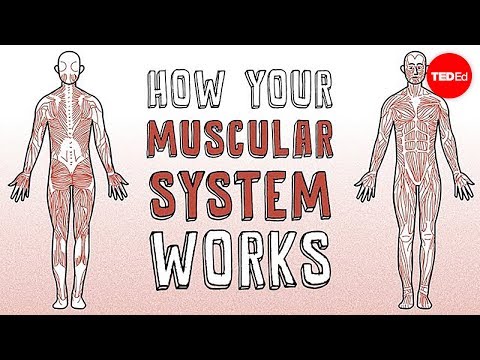
So, picture this: you’re at the gym, trying to lift weights, and suddenly your arm feels like a noodle. You know that moment when all your muscles just scream at you? Yeah, that’s muscle function in action! It’s wild how our bodies work.
Muscles are like the unsung heroes of our daily lives. Seriously, without them, we’d all just be floppy sacks of skin! They allow us to run, jump, and even just get off the couch without launching ourselves into space.
Ever thought about how much muscle action happens in a day? From flicking a light switch to picking up your coffee cup, muscles are doing their thing nonstop! It’s like they have their own little party going on inside us.
Okay, here’s the kicker: we have over 600 muscles doing various jobs. Some are huge and powerful; others are tiny but just as important. Let’s unpack this fascinating world of muscle function together. It might just change how you see every movement you make!
Unveiling the Science Behind Surprising Muscle Strength: Discovering the Hidden Power of Unexpected Muscles
So, let’s talk about muscles. You know, those things that help us lift stuff, run around, and even just sit up straight? But here’s the kicker: not all muscles are created equal. Some of those little guys you don’t think much about can actually be surprisingly strong.
First off, let’s consider the core muscles. Most people think about abs when they hear “core,” but it includes a whole bunch of other muscles too. The **transversus abdominis**, for instance, is like a natural corset wrapping around your torso. This muscle helps stabilize your spine when you’re lifting something heavy or even when you’re just standing still. So yeah, without that hidden strength, you might end up with some serious back pain!
Next up are the glutes. Oh boy, do they deserve a shout-out! Everyone knows the **gluteus maximus** because it’s your main butt muscle and powerful enough to help you climb stairs or sprint away from that annoying mosquito. But have you ever heard of the **gluteus medius**? It’s that sneaky little guy on the side that keeps your pelvis stable while you walk or run. Seriously, when people neglect this muscle during workouts, it can lead to all kinds of imbalances and injuries.
Another sneaky muscle is the psoas. Sounds fancy, right? It’s actually deep in your abdomen and connects your spine to your legs. This muscle plays a crucial role in hip flexion—like when you lift your knees to walk or climb steps. If it’s weak or tight, it can lead to lower back issues and affect how well you move overall.
Let’s not forget about those tiny stabilizing muscles. You might be thinking they’re unimportant because they’re small—wrong! Those little guys (like the **rotator cuff muscles**) are key players in shoulder stability and movement. You can easily tweak them if you’re lifting something awkwardly or throwing a ball too hard! They don’t get as much love in traditional workouts but are essential for preventing injury.
Sometimes I remember my old college buddy who thought he could skip leg day forever because he was more into upper-body workouts. Well, he ended up with knee problems because he neglected those stabilizing muscles! It was like watching a house of cards collapse—one little issue led to another.
Finally, there are those surprisingly strong facial muscles we often overlook. Your face has more than 40 different muscles; talk about multitasking! These aren’t just for showing expressions like smiling or frowning; they also play roles in things like eating and speaking.
So there’s this whole world of hidden strength lurking beneath our skin! When you work out or take care of yourself physically, remembering these unexpected powerhouses can help enhance performance overall—and hey, avoid injuries along the way.
To wrap it all up:
- The core is crucial: Transversus abdominis helps stabilize your spine.
- You need strong glutes: Gluteus medius maintains pelvic stability.
- Psoas matters: It connects your spine to legs for smooth movement.
- Don’t underestimate tiny stabilizers: Rotator cuff prevents shoulder injuries!
- Your face has strength too: Facial muscles aren’t just for expressions—they aid daily functions!
See how impressive these unexpected muscles are? They may seem small or insignificant at first glance but trust me; they pack quite a punch when it comes to keeping us moving smoothly through life!
Unlocking the Fascinating Science of Muscle Function in the Human Body: A Comprehensive PDF Guide
Muscles are like the body’s engines. They help us move, lift things, and even smile! So, how do they work? Well, let me break it down for you.
First off, muscles are made of special cells called muscle fibers. These fibers can contract, meaning they shorten and pull on our bones. When you decide to wave at a friend or kick a soccer ball, your brain sends signals through your nerves to tell these muscle fibers to get moving!
There are three main types of muscles in your body:
- Skeleton muscles: These are the ones you can control, like when you’re dancing or picking up groceries. Each muscle is attached to bones by tendons.
- Smooth muscles: You don’t get to control these. They’re found in places like your stomach and blood vessels. They help move food along or regulate blood flow.
- Heart muscle (cardiac): This one’s super special because it beats all by itself! It keeps your heart pumping without you even thinking about it.
Now imagine trying to lift a really heavy box. Your brain tells those skeleton muscles to work harder. When they contract more forcefully than usual, it causes what’s called muscle hypertrophy. That’s just a fancy way of saying the muscle gets bigger and stronger over time.
Speaking of strength, ever heard of fast-twitch and slow-twitch fibers? Fast-twitch fibers give you quick bursts of energy for short activities—like sprinting or weightlifting—while slow-twitch fibers help with endurance tasks like running long distances or cycling. So if you’re training for a race, you’ll want both types firing on all cylinders!
And here’s something cool: When we exercise regularly, our muscles adapt. It’s called muscle plasticity. If you’ve ever noticed how much stronger your arms got after months of lifting weights, that’s this process in action! Your muscles learn from repeated stress and grow accordingly.
But oh man, have you ever tried doing too much too fast? Ouch! That’s usually when people end up with sore muscles—or even worse—a strain. Muscle soreness happens because the tiny tears in your muscle fibers need to heal after pushing hard during workouts.
I remember when I joined a kickboxing class for the first time; I thought I was tough! The next day though? Yikes! Every time I stood up or tried to sit down, my legs were screaming at me. It turns out those little tears were repairing themselves—and boy did I feel it!
So next time you flex those biceps or stretch out after a workout session, just know there’s some serious science behind every single movement you make. The human body is like an intricate machine powered by these amazing little muscle engines working together in harmony. Isn’t that just mind-blowing?
Exploring the Types of Muscles in the Human Body: A Comprehensive Overview for Biological Sciences
So, muscles are super cool, right? They’re like the engines of our bodies, helping us do everything from running to even just blinking. It’s wild to think about how much they do for us without us even realizing it! Let’s break down the different types of muscles you’ve got working inside you.
Skeletal Muscle
This type of muscle is what you probably think about when someone says “muscle.” Skeletal muscles are the ones that attach to your bones and help you move. They’re called “voluntary” muscles because you can control them at will. For example, when you wave or dance, it’s your skeletal muscles doing the heavy lifting. These muscles have a striped appearance under a microscope (that’s called striated), and they come in different groups that work together for coordinated movement.
Cardiac Muscle
Now, let’s talk about cardiac muscle. It’s like the superhero of your heart! These muscles are involuntary, meaning they work without you having to tell them to. So every time your heart beats, it’s cardiac muscle doing its thing—pumping blood all around your body. Interestingly enough, cardiac muscle is also striated but has a unique feature: it’s connected by special junctions that allow the heart to beat in rhythm. You could say these cells have a sort of teamwork mentality!
Smooth Muscle
Smooth muscle is pretty different from the other two types. It’s also involuntary and found mostly in places like your digestive tract and blood vessels. Think about how food moves through your intestines—that’s smooth muscle contracting and relaxing in waves called peristalsis. Unlike skeletal and cardiac muscles, smooth muscle doesn’t have that striped look; it’s more uniform and looks kind of smooth under a microscope (hence the name).
So here’s what you might find interesting: while skeletal muscle helps with voluntary movement, like lifting weights or sprinting down a track—smooth muscle is busy doing its job behind the scenes, keeping things running smoothly (pun intended) in areas you don’t often think about.
Interactions Between Muscle Types
Did you know these three types of muscles can work together? Like when you’re exercising hard—your skeletal muscles are in full action while your heart pumps faster (thanks to cardiac muscle), ensuring blood flows efficiently to those working limbs. And when you’re stressed or relaxed? That influences your smooth muscles too since they help regulate things like digestion or blood flow based on what’s happening in your body.
Anecdote Time!
I recall one time during gym class when I was trying to impress some friends with my strength by pulling off some crazy moves on the monkey bars. I went for it but ended up face-first on the ground! My skeletal muscles decided they were done halfway through my swing! But hey, lesson learned: it takes coordination between all types of muscles—not just sheer strength—to pull off some moves.
By understanding how these different muscular systems function together, we can appreciate just how incredible our bodies truly are! Like an orchestra playing in harmony to create beautiful music—each type has its role and works seamlessly with the others.
So next time you’re running late for something or just trying not to trip over yourself while walking down the street, remember how hard those amazing little engines are working for you behind the scenes!
Muscles, man, they are like the unsung heroes of our body. Seriously, think about it! Every time you move your arm to grab a snack or jump to catch a frisbee, muscles are doing all the hard work behind the scenes. It’s wild! I remember a time when I tried rock climbing with some friends. You know how it goes; everyone’s pumped and ready to scale those walls. But as soon as I started climbing, my arms felt like jelly! I realized right then that muscles aren’t just for show; they’re essential for everything we do.
So here’s the deal: muscles are made up of tiny fibers that contract and relax to create movement. There are three main types of muscle tissue in our bodies: skeletal, cardiac, and smooth. Skeletal muscles are what you usually think of when someone mentions muscle; these help you move your bones and come with a side of voluntary control—meaning you can decide when to use them. Cardiac muscle? That one’s got a rhythm all its own, making sure your heart keeps pumping without you having to remind it to do so. Then there’s smooth muscle, which handles things you can’t see—like moving food through your intestines.
The cool part about muscles is how they adapt and grow stronger. When you lift weights or go for that intense run, you’re actually causing tiny tears in those muscle fibers (weird but true!). Your body then repairs them stronger than before… kind of like a superhero coming back from battle! That’s why rest days are super important; it gives your body the time it needs for recovery.
But here’s where it gets even more interesting. Muscles don’t just help us move; they’re involved in regulating some serious stuff too—like our metabolism and even temperature control! When you’re cold, your muscles start shivering involuntarily to generate heat. It’s like this automatic response from them that keeps us comfy when temperatures drop.
Oh, and let’s not forget about the brain’s role in all this muscle magic! The brain sends signals through nerves telling muscles when to contract or relax—it’s this beautiful dance of communication that keeps everything running smoothly. Imagine trying to walk if your brain couldn’t talk to your legs… yikes!
So yeah, while we might not think about our muscles often unless they’re sore from an epic workout or cramping during an awkward moment, they’re pretty incredible partners in everything we do. Next time you’re flexing after a workout—or just grabbing a cookie—give a little nod of appreciation toward those tireless guys working hard for you every single day!