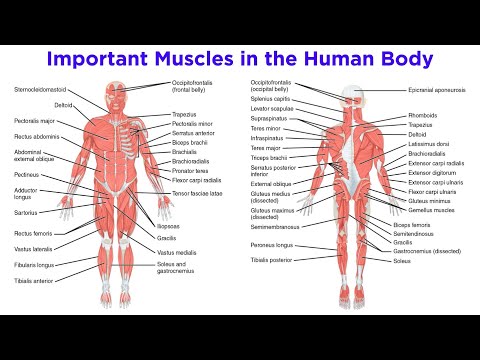
Did you know your muscles are basically like the little engines powering your every move? It’s kind of wild when you think about it. One minute you’re lounging on the couch, and the next you’re sprinting after an ice cream truck—thanks, muscles!
So, what’s the deal with these amazing bits of tissue? They come in all shapes and sizes, each playing its part in keeping us moving. Ever tried flexing your biceps just to impress someone? Yeah, me too. But what really blows my mind is how these powerhouse structures work together to make our bodies do everything from dance like no one’s watching to lifting heavy stuff (or trying at least!).
Muscle anatomy and physiology isn’t just for science buffs, though. It’s a peek into how our bodies work day-to-day. Imagine understanding how those squats actually tone your legs or why you feel sore after a workout. Intrigued yet? Let’s dig into this muscle marvel and break it down.
Exploring Muscle Anatomy and Physiology: A Comprehensive Guide for Science Enthusiasts
You know, muscles are seriously interesting! They’re not just about looking good; they play a crucial role in how we move and function. So, let’s take a little trip through muscle anatomy and physiology, shall we?
Muscle Types
First off, there are three main types of muscles in your body:
- Cardiac Muscle: This type is found only in your heart. It’s pretty special because it’s involuntary, meaning you don’t control it consciously. It just works on its own to pump blood.
- Skeletal Muscle: These are the muscles you can control. They work with your bones to move your body around. Think of them as the muscles you flex when you show off a bicep!
- Smooth Muscle: This type is found in your organs, like your stomach and intestines. Just like cardiac muscle, it works without you telling it what to do.
Each type has its unique structure and function but let’s focus on skeletal muscle since it’s the one we often think about!
Skeletal Muscle Structure
Alright, imagine you’re looking at one of those cool diagrams in a textbook. Skeletal muscles are made up of bundles of fibers called muscle fibers. Each fiber is like a long tube packed with smaller units called myofibrils.
– Myofibrils contain even tinier filaments called actin and myosin. Think of actin as the thin ropes and myosin as the thick ropes that pull them—and this pulling action is what makes your muscles contract.
Now picture this: when you decide to lift something heavy—like a box—you send signals from your brain that travel down nerves to these muscles. The brain tells them to contract, which shortens the muscle fibers and moves your arm.
The Process of Contraction
This whole process is called **muscle contraction** and involves some fancy biochemistry! The chemical ATP (adenosine triphosphate) provides energy for these contractions. Basically, ATP is like gasoline for cars; without it, nothing would happen.
When ATP breaks down into ADP (adenosine diphosphate), energy is released that allows myosin filaments to grab onto actin filaments effectively pulling them closer together—causing contraction! And guess what? When the nerve signal stops, calcium ions leave the muscle fiber—like turning off a light switch—and everything relaxes.
You might find it fascinating that different activities require different types of muscle fibers! There are two main types:
- Fast-twitch fibers: Great for sprinting or lifting heavy weights but they tire quickly.
- Slow-twitch fibers: Ideal for endurance activities like long-distance running because they can keep working without tiring out as fast.
Nervous System Connection
But hold on! Muscles don’t work alone; they’re part of a big team effort involving the nervous system too! Motor units help coordinate movements by connecting motor neurons with multiple muscle fibers.
It’s like having a coach (your brain) calling plays (signals) for players (muscle fibers) all over the field (your body). If there’s good communication, things run smoothly!
One time I tried rock climbing with friends who were more experienced than me—it was both exhilarating and exhausting! I noticed how my muscles reacted differently when I used more slow-twitch versus fast-twitch fibers depending on whether I was making quick moves or holding tight positions.
So yeah, understanding muscle anatomy and physiology isn’t just about knowing how things work; it can actually improve how we train our bodies for different sports or hobbies!
In summary: skeletal muscles help us move through contraction controlled by signals from our brain while needing their own fuel source for energy production. Keep this info in mind next time you’re at the gym or trying a new physical activity—you might see those muscles in action differently!
Exploring Muscle Anatomy and Physiology: Answers for Science Enthusiasts
Muscles are pretty amazing, aren’t they? They’re like the body’s engine, giving us the power to move, lift, and even dance! When you think about it, almost everything we do involves our muscles. So let’s break down some muscle anatomy and physiology to get a better grasp of these incredible structures.
Muscle Types
There are three main types of muscle in your body:
- Cardiac Muscle: This type is found only in your heart. It works involuntarily, which means you don’t have to tell it to beat—it just does!
- Skeletal Muscle: These are the muscles attached to your bones. They help you move around intentionally, like when you jog or wave hello.
- Smooth Muscle: You’ll find this in places like your intestines and blood vessels. It’s also involuntary and helps control things without you even thinking about it!
Muscle Structure
Alright, let’s talk about what muscles are made of. They’re composed of long cells called muscle fibers. These fibers have little “motors” inside them called myofibrils. The myofibrils contain two main proteins: **actin** and **myosin**.
When your brain tells a muscle to contract (that’s when it shortens), these proteins connect and slide past each other. This action pulls the ends of the muscle closer together—like how a rubber band snaps back when you release it!
How Muscles Work
So how do muscles actually give you strength? It’s all about how they work together. When you want to lift something heavy—a box or maybe a really big pizza—your brain sends signals via nerves that trigger multiple muscles to contract at once.
This process is called **motor unit recruitment**, where different groups of muscle fibers engage depending on how hard you need to push or pull something. For example, picking up a cup takes less effort than lifting weights at the gym.
Energy Use
Now here comes the energy part! Your muscles need fuel to work—kind of like how cars need gas. Muscles primarily use ATP (adenosine triphosphate) for energy during contractions. There are a few ways muscles produce ATP:
- Aerobic Respiration: This happens when there’s plenty of oxygen around—like during a nice jog.
- Anaerobic Respiration: When you’re sprinting or lifting super heavy weights with no time for oxygen, your muscles switch gears but produce lactic acid in the process.
Ever feel that burn during intense workouts? That’s lactic acid building up in those hard-working muscle fibers!
The Role of Muscle Fiber Types
Did you know not all muscle fibers are created equal? There are two main types:
- Slow-twitch Fibers: These guys are endurance champs! They can keep going for long periods without tiring out because they use oxygen efficiently.
- Fast-twitch Fibers: These fibers are explosive and powerful but tire out quickly—they’re perfect for short bursts of activity like sprinting or lifting heavy loads.
Sometimes people have more slow-twitch than fast-twitch fiber or vice versa! It depends on genetics and can influence whether you’d rather run marathons or be a professional weightlifter.
The Amazing Recovery Process
Muscles can take quite a beating during workouts! That’s why recovery is so crucial after physical activity. When we exercise, tiny tears form in our muscle fibers—a bit painful at times but necessary for growth.
During recovery, your body repairs these tears by fusing them together stronger than before! That’s why rest days and proper nutrition play such an important role in getting stronger over time—and who doesn’t love pizza after leg day?
So there you have it—a peek into the fascinating world of muscle anatomy and physiology! Muscles not only help us move but also adapt based on what we do with them every day. Feel free to flex those newfound knowledge muscles whenever someone brings up fitness or biology—it’ll impress ’em for sure!
Understanding Muscle Anatomy and Physiology: A Comprehensive Guide to Human Muscular System
Muscle anatomy and physiology? Sounds pretty intense, right? But hang with me for a minute. It’s actually super interesting! Basically, our muscles are like the engines of our bodies; they help us move, lift things, and even smile. So, let’s break this down into bite-sized pieces.
Muscle Types: There are three main types of muscle in your body:
- Skeletal Muscle: These are the muscles you can control consciously—like when you flex your bicep or kick a soccer ball.
- Cardiac Muscle: This one is found only in your heart. You can’t consciously control it. It just beats away on its own!
- Smooth Muscle: This type is found in places like your stomach and blood vessels. You don’t have to think about it doing its job—thank goodness!
Let’s focus on skeletal muscle, since that’s where most movement happens. These muscles are attached to bones by tendons and work by contracting (getting shorter) and relaxing (getting longer). Imagine doing a bicep curl with a dumbbell; when you lift it, your bicep contracts.
Muscle Structure: Muscles are made up of smaller units called muscle fibers. Each fiber is like a tiny sausage filled with proteins called actin and myosin. When these proteins interact, they create the contraction that makes your muscle move.
You might be surprised to know that muscle fibers come in different types too:
- Type I (Slow-twitch): These fibers are great for endurance activities like jogging or biking because they use oxygen efficiently.
- Type II (Fast-twitch): These fibers help with quick bursts of strength or speed, like sprinting or lifting something heavy.
The ratio of these fiber types varies from person to person, which explains why some folks are better suited for long-distance running while others excel in weightlifting!
How Muscles Work Together: Muscles don’t act alone; they work in teams! For example, when you want to lift something over your head, multiple muscles coordinate to make that happen—your shoulders, arms, back—they all play their part like an orchestra.
The brain sends signals through nerves to tell the muscles when to contract. Think of it as sending a text message: “Hey muscle, time to flex!” That message travels fast so you can react quickly when catching a ball or jumping out of the way of something unexpected.
A fun story: I once watched this incredible tightrope walker perform at a festival. The way his skeletal muscles worked together was mind-blowing! You could see his focus as he balanced on that thin rope using every bit of strength he had. His core was tight; his legs were steady—it was all about muscle coordination!
Muscle Recovery and Growth: After you exercise hard, your muscles need time to recover. This process involves repairing those tiny tears that happen during workouts. This is where rest comes into play! Eating protein-rich foods helps because proteins provide the building blocks (amino acids) for making new muscle tissue.
A lot happens behind the scenes! Your body releases hormones like testosterone and growth hormone which aid in building stronger muscles over time through consistent training and recovery.
The cool thing is that anyone can improve their muscular system with regular exercise—it’s all about finding something you enjoy so you’ll stick with it!
The world of muscle anatomy and physiology is pretty awesome once you start digging into it! Looking at how everything works together makes everyday movements feel more magical—even those simple tasks we take for granted.
So next time you’re stretching after a workout or just lifting something heavy at home, take a moment to appreciate all the tiny little mechanisms inside your muscular system working hard behind the scenes!
Muscle anatomy and physiology is like this amazing tapestry our bodies weave to make movement possible. It’s not just about flexing those biceps at the gym or showing off a six-pack; it’s more like a whole symphony playing together to keep us active and functional. You know, muscles are literally everywhere, like those background characters in a movie that help tell the story but don’t always get the spotlight.
So, here’s something cool: muscles are made up of fibers, which are these long, thread-like structures. When you think about it, it’s kind of wild that these tiny fibers work together to pull your bones and let you walk, dance, or even just wave at someone across the street. There’re three main types of muscle: skeletal (the ones you can control), cardiac (your heart muscle—pretty important!), and smooth (found in places like your intestines). It’s like having a team where everyone has their own role but still contributes to the bigger picture.
A little while back, I was watching a friend try to learn how to dance. She was struggling with her moves and kept getting frustrated because her body wasn’t cooperating. But once she tapped into understanding how her muscles worked together—like knowing when to tense up or relax—things started clicking for her. You could see the lightbulb moment when she finally got it! That connection between mind and body? That’s muscle physiology at its best!
The thing is, when we talk about muscle physiology, we can’t skip the whole energy bit! Muscles need fuel to do their job. When you’re running around like crazy or lifting weights, your body is transforming stored energy into movement through this process called ATP production. It’s like getting a power-up in a video game; your muscles need that boost so they can keep going strong.
Seriously though, if we didn’t have this intricate system of muscles working hard behind the scenes all day long, well… let’s just say life would be way less dynamic. Next time you’re lifting something heavy or even just standing up from couch—pause for a sec and appreciate all those fibers doing their thing. Muscles aren’t just about strength; they’re really about grace and coordination too—a seamless dance of biology!