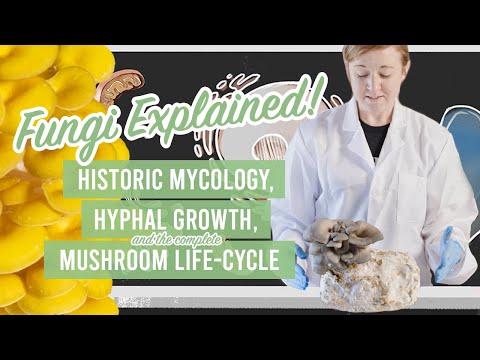
Okay, so here’s a funny thing. Did you know that a single mushroom can produce billions of spores? I mean, that’s like a mushroom party gone wild! Just picture it: one little guy sending out all these tiny spores into the air. It’s kinda insane, right?
Now let’s get real for a sec. Fungi are way more than just those cute little things popping up after rain. They’re like the hidden superheroes of nature! Seriously, they’re helping with everything from breaking down waste to even fighting diseases.
And guess what? Research in mycology—yep, the study of fungi—is totally blowing up right now. New discoveries are popping up like crazy, and it’s super exciting! From medicinal mushrooms to environmental clean-up champs, there’s so much we’re just starting to grasp about these incredible organisms.
So, buckle up! We’re gonna take a wild ride through the fascinating world of fungi and all the cool stuff happening in mushroom research today. Ready? Let’s go!
Exploring the Latest Advances in Diagnostic Mycology: Innovations and Breakthroughs in Fungal Disease Detection
So, let’s chat about diagnostic mycology. You know, this is the branch of science that deals with identifying fungi, especially when they’re causing trouble like infections. Fungal diseases can be sneaky and, honestly, pretty serious. But there’s been some exciting stuff happening lately in how we detect these pesky little organisms!
Firstly, molecular techniques are really shaking things up. Traditional methods often take a while because they rely on growing fungi in a lab; it’s like waiting for a plant to grow from a seed! But now, with methods like PCR (that stands for Polymerase Chain Reaction), we can detect fungal DNA almost instantly. This means if you’re sick and it turns out to be a fungal infection, doctors can diagnose you much faster than before.
Then there’s the rise of next-generation sequencing (NGS). This fancy term describes super-advanced tech that allows us to sequence entire genomes in one go. Imagine reading an entire book in just a few minutes instead of line by line! NGS helps pinpoint exactly what type of fungus is lurking around and gives us insights into its resistance against medications.
Another cool innovation is the development of biomarkers. These are specific signs your body might give off when there’s an infection going on. Researchers have been finding unique proteins or chemicals associated with fungal infections. Detecting these biomarkers in your blood or tissues can help doctors figure out what you’re dealing with without needing invasive procedures.
If we look over the horizon, artificial intelligence (AI) is making waves too! Imagine having smart algorithms that crunch data from thousands of samples to find patterns and possibly predict outbreaks before they even happen! It kind of feels like something out of science fiction, but it’s becoming more real every day.
The thing is, early detection saves lives. When I think about my cousin who had a tough battle with fungal infections after chemotherapy—she had to wait days for results—that makes me super hopeful about these advancements. If only she’d had access to these new methods sooner!
This is all part of this broader movement called “One Health,” which looks at human health in connection with animals and the environment as well. Fungi don’t operate in silos—they interact with everything around them. Understanding fungi better helps not just humans but also the ecosystem.
This field is buzzing with activity! And while it may seem niche, diagnosing fungal diseases impacts public health significantly—it affects everyone whether you realize it or not! The innovations just keep coming—so here’s hoping for a future where detecting these sneaky fungi becomes faster and more accurate every day!
Top Universities for Mycology: Discover the Best Institutions for Fungal Science
When it comes to mycology, the study of fungi and mushrooms, there are a few universities that really shine. These institutions are like treasure troves of fungal science, where students and researchers can explore everything from the tiniest spores to massive fungi networks. Let’s take a look at some of the top places you might want to consider if you’re diving into this fascinating field.
Oregon State University is a standout in mycology. The school has a strong focus on fungal biodiversity and ecology, which is awesome since fungi play such crucial roles in our ecosystems. Their research covers everything from soil fungi to plant pathogens. Plus, they have one of the best fungal herbaria in the country! Imagine getting your hands on rare specimens and learning about them firsthand.
Then you have Cornell University, which is known for its innovative research in both agricultural mycology and mushroom cultivation. They’ve got some smart folks studying how fungi can help with sustainable agriculture and pest control. And let’s not forget about the amazing work they do on edible mushrooms—who doesn’t love a good shiitake?
The University of Florida makes a big splash with its program too. They’re all about tropical fungi, exploring how they affect agriculture down in those humid climates. If you’re into applied mycology or want to help farmers with disease management, this might be your spot. It’s like being on the front lines against plant diseases!
Another key player is University of California, Berkeley. Their research digs into both fundamental and applied aspects of mycology, including fungal genetics and biotechnology. It’s pretty mind-blowing when you think about how genetic tweaks can lead to new strains that could revolutionize various industries—from healthcare to food production.
You can’t overlook University of Washington, either! Their program dives deep into environmental mycology—the study of how fungi interact with their surroundings. This includes their relationships with plants and other organisms in ecosystems like forests or grasslands. You get to geek out on how these little guys contribute so much to biodiversity.
Finally, don’t miss out on Michigan State University. They have an exciting focus on pathogenic fungi affecting crops and plants, looking for ways to combat these threats while keeping sustainable practices in mind.
To wrap it up, if you’re passionate about exploring fungi—or just curious about those mysterious organisms—these schools are definitely worth checking out! There’s so much potential for discovery here; who knows what breakthroughs could come from studying mushrooms? So go ahead—dive into the world of fungi; it’s pretty incredible!
Exploring the Top 100 Most Cited Fungal Genera Studies in Mycology: Insights and Trends in Mycological Research
Fungi are those curious organisms that often make us think of mold on bread or tasty mushrooms on pizza. But there’s so much more to fungi than just being a culinary delight or an annoyance in our kitchens. Mycology, the study of fungi, dives deep into their biology, ecology, and potential uses. With a wealth of research out there, it’s fascinating to explore the most cited studies that shape our understanding of these organisms.
So, let’s break it down a bit. When we talk about the top 100 most cited fungal genera studies, we’re looking at the heavy-hitters in mycological research. These studies have had a huge impact and have led to exciting advancements in various fields like agriculture, medicine, and ecology.
First off, let’s highlight why citation counts matter. When researchers cite a study, it usually means that piece of work has provided significant insights or methodologies that others found useful. You follow me? Well, this helps us track trends and shifts in mycological research over time.
For example, one popular area is medicinal fungi. Studies focusing on genera like *Ganoderma* and *Cordyceps* have been pivotal in discovering compounds with therapeutic properties. People have been using these mushrooms for centuries in traditional medicine! Modern research continues to dig into their potential for treating various ailments.
Another major trend is fungal biodiversity. Understanding the range of fungal species and their roles in ecosystems is vital. Research on Aspergillus and Penicillium, for instance, has groundbreaking implications for industries like food preservation and bioremediation—basically cleaning up contaminated environments using fungi.
And then there’s the world of plant-fungal interactions. Fungi can form symbiotic relationships with plants through mycorrhizae—like best buddies sharing nutrients! This area has exploded with interest because optimizing these relationships enhances plant growth and agricultural productivity.
But you know what else is interesting? The rise of molecular techniques! Studies utilizing DNA sequencing have changed everything about how we identify and classify fungi. No longer are researchers limited to visible traits; they can dive deeper into genetic information to uncover relationships among different genera.
As we look at all these trends, it becomes clear that mycology isn’t just about naming fungi anymore. It’s about understanding how they fit into broader ecosystems and how they can help solve real-world problems—like climate change!
All this stuff is pretty exciting—and it’s only getting better! The sheer volume of cited studies indicates not only ongoing interest but also growing recognition of how important fungi are to life on Earth.
So next time you see some mushrooms or even mold forming somewhere, remember there’s a world full of research behind those little guys! Seriously cool stuff when you think about it!
You know, when I think about fungi, I can’t help but remember that day as a kid when I found a vibrant orange mushroom in the woods behind my house. I thought it looked like something out of a fairytale—totally mystical and otherworldly. I was actually kind of scared to touch it, thinking it might be poisonous or something. But now, fungi are freaking everywhere in the news because they’re not just cool-looking plants; they’re changing our understanding of life itself.
So, let’s talk about mycology—basically the study of fungi. It’s like this hidden gem of biology that’s been quietly making waves while we’ve all been focused on flashier subjects like genetics and pharmaceuticals. Researchers have recently made some wild advancements in understanding how mushrooms can break down plastics, combat diseases, and even help restore ecosystems. It’s pretty mind-blowing! These tiny organisms have some serious superpowers.
What surprises me is how much we still don’t know about fungi. Some scientists estimate that around 90% of fungal species haven’t even been classified yet. That means there could be tons of mushrooms out there just waiting to be discovered! Imagine what they could do for us if we understood them better—like curing diseases or creating sustainable materials. It feels like we’re only scratching the surface.
I read about this one fascinating project where mycologists are looking at ways to use fungi for bioremediation, which is a fancy term for cleaning up contaminated environments using living organisms. Like, you know those oil spills? Fungi can actually help break down those nasty pollutants into harmless substances! Who knew a little mold could take on such big challenges?
But it’s not all sunshine and rainbows with fungi either. There are some species that can be dangerous or toxic if we don’t handle them right, which makes studying them tricky business. And with climate change affecting ecosystems worldwide, some mushroom populations may face threats too—so keeping tabs on these fungal frontiers is super important.
Honestly? I think the more we learn about fungi, the more respect we gain for nature as a whole. From their role in our food systems (hello, bread and beer) to their connections with plants via underground networks (yep, they have relationships… it’s kind of adorable), they play vital parts in maintaining life as we know it.
So yeah, next time you see that funky little shroom popping up in your backyard or while hiking, just remember: there’s a whole universe within those cap-and-stem wonders waiting to be explored! It makes you look at them differently—you might just spot the next groundbreaking discovery hiding behind those colorful caps! Exciting stuff ahead in mycology for sure!