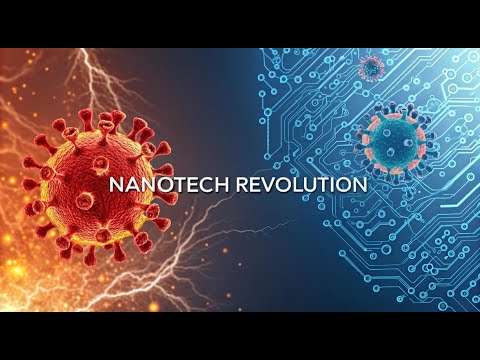
So, picture this: you’re holding a tiny speck of dust in your hand. Sounds mundane, right? But what if I told you that these minuscule bits can actually transform the future? I mean, seriously!
Nanotechnology is like magic but grounded in science. We’re talking about materials so small that they can’t even be seen with the naked eye. Think about it—these tiny champs could change everything from medicine to electronics to even the clothes you wear.
It’s wild how something so small can pack a punch. You got super-strength materials? Check. Smarter drugs that target just the right cells? Double-check. And hey, it all sounds like something out of a sci-fi movie!
So come on, let’s chat about how these innovative nanotech materials are shaping modern science and what that really means for us in the real world. Ready for a little adventure?
Transforming Science: The Impact of Innovative Nanotech Materials – A Comprehensive PDF Guide
When we talk about innovative nanotech materials, we’re dipping our toes into a fascinating world that’s reshaping science and technology. So, what’s the deal with nanotech? Simply put, it’s all about manipulating materials at a scale so tiny that it’s measured in nanometers, which is one billionth of a meter. That’s seriously small! To get a grip on this, consider that a human hair is around 80,000 to 100,000 nanometers thick. Pretty wild, huh?
These tiny materials are like little superheroes in the scientific realm. They have unique properties that can differ significantly from their larger counterparts. For instance, when gold is reduced to nanoparticles, it can turn from shiny yellow to a deep red. This change happens because of how light interacts with those tiny particles. And this isn’t just a party trick; it has real-world applications in fields like medicine.
Let me tell you about one such application; it brings out the emotional side of science! There’s this incredible work being done with nanoparticles for drug delivery. Imagine someone battling cancer—traditional treatments can be super harsh on the body, right? Well, scientists have been using nanoparticles to deliver drugs directly to cancer cells while sparing healthy ones. It’s like sending in smart bombs instead of dropping bombs everywhere!
Now let’s break down some areas where these materials are making waves:
- Medicine: Beyond drug delivery, they’re also revolutionizing diagnostics. Nanomaterials can help identify diseases at an earlier stage when treatments are most effective.
- Electronics: Think of smaller and faster devices! Nanotech allows for more efficient semiconductors and batteries that charge quicker and last longer.
- Aerospace: Lightweight but robust materials made using nanotechnology are making planes safer and more fuel-efficient.
- Environmental Science: These materials help in water purification by breaking down pollutants at the molecular level!
Now you might be wondering about safety issues… And rightly so! Working with nanoscale materials isn’t without challenges. There are ongoing discussions about their environmental impact and potential health risks. Researchers are diving deep into ensuring that as we innovate, we don’t forget about safety.
At the end of the day, innovative nanotech materials hold an exciting promise for modern science and beyond! They’re not just reshaping industries; they’re enhancing lives—whether it’s through better healthcare or smarter gadgets you carry around daily.
The way I see it is this: when we push boundaries with science like we do with nanotech, we unlock doors to a future filled with possibilities! ⚡ So remember folks: tiny things can lead to *big changes*.
Exploring Innovative Nanotech Materials Transforming Modern Science in 2022
Nanotechnology is super cool, and it’s been shaking things up in modern science recently. So, what’s the deal with these innovative nanotech materials that are changing the game? Let’s break it down a bit.
First off, nanomaterials are tiny materials that can be as small as a few nanometers. Just to give you a sense of scale, a single strand of human hair is about 80,000 to 100,000 nanometers wide! These minuscule materials can have very different properties from what we see at larger scales. That’s where the magic happens.
One of the most exciting areas has been in medicine. Imagine nanoparticles that can deliver drugs directly to cancer cells without affecting healthy ones. The idea is to target treatments more precisely so that patients experience fewer side effects. Scientists have been experimenting with gold nanoparticles for this purpose—they’re biocompatible and can be tailored for specific drug delivery. It’s like having little mail carriers zooming straight to the problem area!
Then there’s energy. Nanotech has been making waves in solar energy too. Researchers are creating ultra-thin solar panels using nanostructured materials that can capture sunlight more efficiently than traditional ones. These panels could revolutionize how we think about solar energy by making it cheaper and more accessible.
And don’t forget about electronics. There’s been some rad progress in using graphene, a one-atom-thick layer of carbon atoms arranged in a honeycomb lattice. Graphene is super strong and conducts electricity better than copper! That means we could see faster computers and really flexible electronic devices in the future.
Another fascinating application is in environmental science. Nanomaterials are being designed to clean up pollutants from water sources or air. They can help break down hazardous substances into harmless components—like tiny cleanup crews working day and night!
You know, it’s not just science fiction anymore; people are working on practical applications every day. One amazing story comes from researchers who developed nanoscale filters that can separate salt from seawater much more efficiently than traditional methods. This kind of innovation could provide fresh water where it’s needed most.
However, as exciting as this all sounds, there are concerns too—like possible toxic effects of some nanomaterials on health or the environment if not handled properly. That makes safety research super important to ensure we don’t overlook any negative consequences while moving forward with these breakthroughs.
So yeah, the world of nanotech materials is buzzing with potential! It opens up an entirely new frontier for innovation across various fields—medicine, energy, electronics, and environmental protection just scratching the surface of what might come next!
Comprehensive Collection of Nanotechnology Research Papers in PDF Format for Scientific Study
So, nanotechnology is this really cool field that’s all about tiny stuff—think smaller than the width of a human hair. We’re talking about materials at the nanoscale, which is like one billionth of a meter! Can you imagine?
It’s not just a science fiction dream either; it’s shaping modern science in so many ways. **Innovative nanotech materials** are everywhere now—from medicine to electronics, and even in renewable energy. The neat part is that because these materials are so small, they can have completely different properties than their larger counterparts.
Now let’s break down why this research is super important for scientific study. Here are some key points to think about:
- Medical Applications: Nano-sized particles can target specific cells in the body. This means we could deliver drugs directly to cancer cells without harming healthy ones.
- Electronic Devices: Nanotechnology helps create smaller and faster transistors. Remember those chunky old computers? Now we’ve got phones that fit in our pockets thanks to these advancements.
- Renewable Energy: Nanotech materials are improving solar panels. They can make them more efficient by absorbing more sunlight, which could lead to cheaper green energy.
- Environmental Protection: Some nanomaterials help clean up pollution by breaking down harmful substances into less harmful ones.
If you’re curious about digging deeper into this field, there’s also a treasure trove of research papers available in PDF format online. These papers dive into technical specifics, experimental results, and future prospects of nanotech materials.
Just imagine sitting down with your favorite beverage and browsing through these PDFs! It could feel like opening up a whole new world of possibilities right from your screen.
However, accessing academic papers can sometimes be tricky—lots of them are behind paywalls or require subscriptions. But there are repositories out there where researchers upload their work for free access. Websites like arXiv or ResearchGate could be great places to start looking for those gems.
So if you’re studying or just curious about how tiny things can lead to big changes in our world, check out some of those research papers! You might find ideas that spark your imagination or fuel your own projects. Who knows? You might even stumble across something groundbreaking!
Nanotechnology is like that cool kid in school who everyone secretly admires. You know, the one who seems to be involved in everything awesome and is always coming up with new ideas? Well, nano materials are doing just that in the world of science. They’re tiny—like really, really tiny—and yet they pack a lot of punch!
Just imagine what you can do with materials that are invisible to the naked eye but can revolutionize industries. Take carbon nanotubes, for example. These little tubes are stronger than steel and way lighter. It’s like turning a flimsy strand of spaghetti into something super strong! I remember watching a documentary where they showed how researchers were incorporating these nanotubes into sports equipment. Suddenly, athletes could run faster and jump higher—all thanks to the magic of nanotech.
But it’s not just about making things lighter or stronger; it gets cooler than that! You’ve got nanomaterials being used in medicine too—like drug delivery systems that target cancer cells precisely without harming healthy ones. It’s almost like having a guided missile for medication, hitting only the bad guys while leaving everything else intact. When I heard stories from patients who benefited from such innovations, it really hit home how much this tech could change lives.
And speaking of everyday life, have you ever noticed some fabrics that seem to repel stains? There’s probably some nanotechnology behind that too! These super fabrics help keep our clothes cleaner for longer and make laundry days a bit easier—who doesn’t love that?
Now, you might think all this sounds futuristic or even a bit sci-fi-ish. But what’s happening right now is far beyond just theoretical concepts in labs. Companies are working hard to bring these materials into our homes and everyday products. It makes me genuinely excited about what the future holds!
But, on another note, there’s always room for thoughtfulness when diving into new technology like this. It’s not just about innovation; we have to consider safety and ethical implications too. Understanding how these materials interact with our environment is crucial because we don’t want any surprises down the line.
So yeah, innovative nanotech materials are reshaping modern science in ways we’re only beginning to grasp. From sports gear to cutting-edge medical treatments and even comfy clothes! They make me optimistic about where technology can take us while reminding me that we should tread carefully as we explore these new frontiers. Let’s keep cheering on those nano heroes!