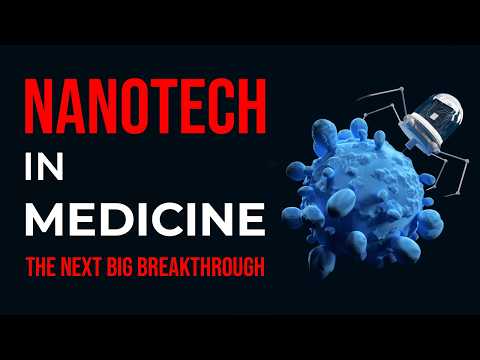
You know that feeling when you squint at something tiny, like a speck of dust, and wonder how on earth it could be significant? Well, that’s kind of the vibe with nanotechnology! It’s all about working with stuff so small that you can’t even see it without super fancy microscopes. Think like a superhero level of tiny.
Imagine those little particles being used to fight diseases. Sounds like sci-fi, right? But it’s happening! Picture this: scientists are sending tiny robots into your body to help heal you. I mean, who wouldn’t want a mini team of helpers in there?
But seriously, what’s exciting about these innovations is how they’re changing the game in medicine. From delivering drugs right where they’re needed to detecting illnesses earlier than ever, nanotech is opening doors we didn’t even know existed. So let’s chat about some of this cool stuff! You’re gonna want to hear about it.
Advancements in Nanotechnology: Transformative Applications in Medicine (PDF Download)
Nanotechnology is one of those fields that sounds super complex but really boils down to working with tiny stuff, like, at the atomic or molecular level. You’re talking about sizes that are billionths of a meter! It’s in this tiny realm where some seriously cool advancements are happening, especially in medicine.
What’s the Big Deal About Nanotechnology? Well, the thing is, nanotechnology can change how we diagnose and treat diseases. Remember when you last heard about a breakthrough in cancer treatment? That might have had something to do with nanoparticles. These little guys can be designed to target cancer cells while leaving healthy cells alone. This means less damage from treatments like chemotherapy—so much more humane!
- Drug Delivery: Picture a tiny delivery truck zipping through your bloodstream. Nanoparticles can carry medications right to the site of disease. This approach boosts effectiveness and minimizes side effects.
- Imaging Techniques: Nanotech is making medical imaging clearer than ever! By using nanoscale contrast agents, doctors can see tumors in detail without invasive procedures.
- Tissue Engineering: Ever wish organs could be replaced easily? Nanotechnology is making strides here too! Researchers are creating scaffolds at the nanoscale that guide cells to grow into new tissues or even organs.
Okay, so let me share an emotional moment here. A friend of mine was battling leukemia; her journey was filled with ups and downs and tons of treatments that took a toll on her body. When I heard about nanotech being used to develop more targeted therapies, it felt like there was hope for folks like her—like finally getting a break from all that harsh treatment!
What About Diagnostics? Think about all those sci-fi movies where they scan for diseases instantly—it might not be as far off as we think! Nanosensors are being developed that can detect disease markers in incredibly small samples. This means you could potentially get faster diagnoses for things like infections or cancers.
And then there’s biosensing. These tiny sensors interact with biological substances on a molecular level and give information on everything from glucose levels to detecting pathogens. Imagine just pricking your finger once and getting instant feedback about your health!
Nanotechnology isn’t just changing what we see in labs; it’s reshaping how we think about health care altogether. Like I said before, it sounds super fancy and complicated, but it’s all about harnessing the power of really small things for big benefits.
If you’re curious about diving deeper into specific studies or research papers related to these advancements, you might wanna check out academic platforms or journals that focus on nanomedicine—they’re packed with insightful findings!
So yeah, keep an eye on this field because it’s not just science fiction anymore—it’s science reality making waves!
Advancements in Nanotechnology: Transforming Medical Applications and Future Prospects
Nanotechnology is like the cool cousin of science, you know? It’s all about working with stuff on a super tiny scale—like, we’re talking about things that are a billion times smaller than a meter! That’s where the magic happens, especially in medicine.
Think about it this way: our bodies are made of cells, and those cells are made up of even tinier components. Nanotechnology lets scientists manipulate these microscopic pieces to develop incredible medical applications.
Targeted Drug Delivery: One of the big advancements is in drug delivery systems. Instead of just tossing medications into your system (which can cause all sorts of side effects), nanotech allows for precise targeting. Imagine having tiny nanoparticles that can travel straight to a tumor and release their medication right there. It’s like sending a little missile to take out bad guys without hurting anything else nearby.
Improved Diagnostics: Another area that’s seeing some real innovation is diagnostics. You know how important early detection is for diseases like cancer? Well, nanotechnology has made it possible to develop super-sensitive diagnostic tools. Some nanoparticles can bind to specific disease markers in your blood—it’s like having a bloodhound sniffing out trouble before it really begins!
Tissue Engineering: Then there’s tissue engineering, where scientists use nanomaterials to create scaffolds that help regenerate damaged tissues or organs. Picture this: if you injure yourself badly, instead of just relying on your body to heal naturally, we could potentially implant these nanostructures that encourage your cells to grow back stronger and faster.
Vaccines and Immunotherapies: And let’s not overlook how nanotech plays into vaccines! You’ve heard of mRNA vaccines, right? Well, nanoparticles help deliver the mRNA safely into your cells without making you sick—kind of like delivering pizza without dropping it! This technology also helps create better immune responses in immunotherapy treatments for cancer patients.
Now let’s talk about what’s next on the horizon because it’s not just about what’s happening now; it’s looking towards future prospects too!
Personalized Medicine: We might see even more personalized medicine coming from nanotechnology. Think about customized treatments tailored just for you based on genetic information—that could change everything! Your healthcare could be as unique as your playlist.
Nanosensors: There’s also potential with nanosensors that could continuously monitor our health metrics in real-time—like having an entire lab on your wrist. You could get instant feedback about your health while going about your day-to-day business.
The thing is, while these advancements sound amazing—and they really are—there’s still much we need to figure out when it comes to safety and ethics. How do we ensure these materials won’t cause harm in the long run? What regulation will be needed? These questions hang over the field like a cloud waiting for rain.
So yeah, nanotechnology isn’t just some sci-fi fantasy; it’s actively reshaping medicine as we know it today and hints at an exciting future ahead! Just imagine what else we can achieve with this groundbreaking science!
Exploring Cutting-Edge Nanotechnology Innovations in Medical Applications: A Comprehensive SlideShare Review
Nanotechnology in medicine is like stepping into a sci-fi movie. Seriously, the tiny world of nanoparticles is blending science fiction with reality, and it’s super cool! So, let’s break down some cutting-edge innovations that are popping up in this field.
Nano-sized Particles for Drug Delivery
One of the most exciting applications is using nanoparticles to deliver drugs directly to specific cells. Think of it like sending a tiny little package right to your front door instead of mailing it to the whole neighborhood. This way, you minimize side effects and maximize treatment efficiency. There are these particles called liposomes, which are basically tiny bubbles filled with medicine. They can sneak past biological barriers and release their cargo just where it’s needed—a real game changer in cancer treatment!
Smart Sensors
Then there are nanotechnology-based sensors that can detect diseases at very early stages. Imagine if your phone could tell you when you’re about to catch a cold! These sensors work by identifying biomarkers that show disease presence. For example, researchers have developed nanoscale devices that can detect glucose levels in diabetes with incredible precision. This means less invasive testing and more accurate results.
Nano-robots in Surgery
And guess what? We’re even flirting with nano-robots! These tiny robots can navigate through your body to perform surgical tasks at an incredibly small scale. Picture a swarm of bees working together inside your body to target tumors without harming healthy cells around them. It’s like a mini army doing precise work while you chill out on the couch—how amazing is that?
Tissue Engineering
Nanotechnology also plays a crucial role in tissue engineering. Scientists are creating scaffolds using nanomaterials that mimic natural tissues. When you implant these scaffolds, they encourage cell growth, helping to regenerate damaged tissues or organs—kind of like giving nature a little push along!
Diagnostics Improvement
And let’s not forget diagnostics! With nanoscale materials, doctors can create more accurate imaging techniques for detecting diseases like cancer or Alzheimer’s earlier than ever before. Gold nanoparticles are being used as contrast agents in imaging techniques because they enhance visibility at molecular levels.
So yeah, the future looks bright with all these innovations sprouting from nanotechnology! Each advancement not only has the potential to improve existing treatments but also opens the door for entirely new therapies we haven’t even thought of yet.
In summary, as researchers dive deeper into this microscopic world, we’re sure to see more breakthroughs transforming healthcare and improving lives everywhere! Exciting times ahead for sure!
Alright, let’s talk about nanotechnology in medicine. You know how sometimes you hear about these tiny little things that can change the world? Well, nanotechnology is kind of like that! It’s all about manipulating materials on an ultra-small scale—think atoms and molecules—to create things that can help us heal.
Imagine this: I was at a family gathering recently, and my cousin was talking about his struggle with a chronic illness. He mentioned how he’s been trying different treatments but nothing seems to work. It got me thinking about the cool advancements in medicine today. Nanotech is bringing some serious innovation to the table. For instance, researchers are working on special nanoparticles that can deliver drugs right to cancer cells. Instead of flooding the whole body with meds and hoping for the best, these tiny carriers sort of act like little delivery trucks. They go straight to where they’re needed most! How mind-blowing is that?
And then there’s imaging technology. The thing is, traditional imaging methods can sometimes miss tiny tumors because they aren’t easily visible until they grow bigger. But with nanotech, you could have nanoparticles that all light up or change color when they come into contact with certain substances related to cancer cells. That means earlier detection and quicker treatment!
Don’t even get me started on regenerative medicine—where we’re trying to repair or replace damaged tissue using tiny materials! Just imagine being able to regenerate organs using biocompatible nanomaterials; it sounds like sci-fi but is inching closer to reality.
Of course, it’s not all smooth sailing; there are ethical considerations and potential risks involved—like how these nanoparticles behave in our bodies long-term. So yeah, while there’s so much promise here, we must tread carefully.
In the end, it’s exciting stuff happening in this field! Innovations in nanotechnology could reshape healthcare as we know it. And who knows? Maybe those little particles will help people like my cousin find better treatments one day—and that right there gives me hope!