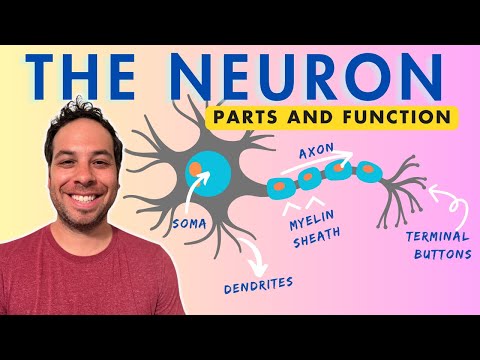
You know that feeling when you accidentally touch something super hot? Your body freaks out, right? Like, one second you’re chillin’, and the next, your hand is flying away like it just got stung by a bee. That’s basically neurons doing their thing!
These little guys are the real MVPs of your nervous system. Seriously, they’re like the ultimate messengers for everything. They help you think, feel, and even react to a surprise pop quiz (ugh!).
So let’s chat about these amazing neurons! They’re not just taking up space in your brain; they’re working hard to keep everything running smoothly. You follow me? It’s all about how they fire up and interact with each other. Grab a snack; it’s gonna be a fun ride!
Exploring the Role of Neurons in Cardiac Function: Understanding Heart Neurobiology
You ever think about how your heart beats? I mean, it sounds pretty basic, right? But there’s a fascinating dance happening between your heart and your nervous system that’s pretty crucial. So let’s break down the role of neurons in cardiac function.
First off, you’ve got to know that the heart isn’t just a big muscle pumping blood. It has its own built-in **electrical system**, kind of like a pacemaker, known as the **sinoatrial node**. This little guy sends out signals that tell your heart when to beat. But here’s where it gets interesting: neurons are involved too!
So what exactly do neurons do for your heart? Well, they communicate with the heart muscle via signals that help regulate its functions. Here are some key points to keep in mind:
- Autonomic Nervous System: This part of the nervous system is super important. It has two branches: the sympathetic and parasympathetic systems. The sympathetic system speeds up your heart rate (think excitement!), while the parasympathetic one slows it down (like when you’re chilling out).
- Chemical Signals: Neurons release neurotransmitters like norepinephrine and acetylcholine that affect how fast or slow your heart beats.
- Reflexes: Have you ever felt your heart race when you’re scared? That’s because of reflex actions! Your body reacts instantly to situations thanks to these neural connections.
- Cardiac Neurons: Yes, there are neurons in the heart itself! They help manage its rhythm and can even influence how strong each heartbeat is.
Oh, and check this out: during certain moments in life—stressful situations or even joyful ones—these neurons work overtime adjusting everything from blood pressure to oxygen supply. Think about the last time you had a close call while driving; that surge of adrenaline you felt was all thanks to those pesky little neurotransmitters kicking into gear!
But it’s not just about fast or slow beats; it’s also about coordination. Neurons ensure all parts of the heart work together smoothly so that each contraction is effective in pumping blood where it needs to go.
To give you an idea of what happens when things go wrong, consider cardiac arrhythmias. This is when either too many or too few signals happen between neurons and the heart muscle, leading to abnormal rhythms—some can be serious! It shows just how much we rely on these connections.
So next time you feel your heartbeat racing after a good laugh or during some intense moment, remember that **neurons play a vital role** in keeping everything running smoothly in your body’s remarkable rhythm section! Isn’t it wild how interconnected our systems are? Just goes to show, there’s so much more happening beneath the surface than we usually recognize!
The Role of the Heart in the Nervous System: Understanding Cardiac Influence on Neurophysiology
The heart isn’t just a pump for our blood; it actually plays a pretty big role in how our nervous system works. You might not think they’re connected, but the heart and brain are constantly chatting away. It’s like they’ve got their own little conversation going on.
First off, let’s talk about the autonomic nervous system (ANS). This part of your nervous system controls involuntary actions, like your heartbeat and digestion. The ANS has two main players: the sympathetic nervous system and the parasympathetic nervous system. The sympathetic is like that friend who gets you hyped up before a party, while the parasympathetic calms you down when it’s time to chill.
When you’re stressed or excited, the sympathetic nervous system kicks in. This leads to an increase in heart rate and blood pressure. Think about those moments right before giving a speech or riding a rollercoaster. Your heart races because your body is prepping for action. It’s all about survival!
On the flip side, when things are calm and relaxed, the parasympathetic nervous system takes over. It helps to lower your heart rate and bring you back down to earth after that wild rollercoaster ride we talked about earlier.
There’s this fascinating thing called heart-brain communication. It happens through neural pathways, hormones, and even electrical signals. These channels let your heart send messages back to your brain about how you’re feeling physiologically. For instance:
- Your heart rate goes up during stress—this tells your brain there’s danger.
- If you’re feeling content or safe, your heart slows down, sending out signals of relaxation.
- This feedback loop helps regulate emotions; for example, if you’re anxious, your heart reacts accordingly.
Here’s where it gets even cooler: there are actual neurons in the heart! Yep—some researchers say that these cells help process information and communicate with other organs too. So while you might think of neurons as those brain-only VIPs, they’re also hanging around in the heart.
This connection shows up in different ways too. Ever felt a flutter in your chest when you’re excited? That sensation can be linked to how emotions influence your heartbeat directly—how wild is that? That little flutter might just be your body talking back to your brain!
Now let’s not forget about emotional health. Stress can seriously mess with both your heart and mind. Chronic stress can lead to an increased risk of cardiovascular diseases—and it’s no coincidence! When you’re anxious or depressed for long periods of time, it influences not just how you feel but also how well your heart functions.
So yeah, understanding how our heart fits into the bigger picture of our nervous system is pretty important—it’s crucial for maintaining both emotional and physical health! Next time you feel those butterflies or a racing heartbeat during an intense moment, remember: it’s not just ‘in your head’—your heart’s in on it too.
Exploring the Parts and Functions of the Nervous System: A Comprehensive Guide in Neuroscience
The nervous system is like the body’s command center. It helps you think, feel, move, and react to the world around you. So, let’s break it down into its parts and functions, focusing a bit on neurons since they’re pretty much the stars of the show.
First off, we’ve got neurons. These tiny cells are where all the action happens. They send messages all over your body with electrical impulses. Imagine them as little messengers passing notes in class, but way faster and without getting caught!
Next up is the central nervous system (CNS), which includes the brain and spinal cord. Your brain is basically a supercomputer that processes information. It helps you make decisions and control your movements. The spinal cord acts as a highway for signals between your brain and the rest of your body.
Then there’s the peripheral nervous system (PNS). This part connects the CNS to your limbs and organs. Think of it as an extension of your central nervous system that reaches out to every corner of your body.
So, what do all these parts do? Well, they’re responsible for different functions:
- Sensory Processing: Neurons in sensory organs send signals to your brain when you see something beautiful or feel something hot.
- Motor Control: When you want to move—say, kick a ball—signals travel from your brain down through your spinal cord to those muscles.
- Reflex Actions: If you touch something sharp by accident, reflexes kick in super fast—you pull away before even thinking about it! That’s because those nerve cells send messages quickly from sensory receptors straight to your spine.
And let’s talk about those fancy things called glial cells. They’re like sidekicks for neurons—supporting them, protecting them, and keeping everything running smoothly. You might not notice glial cells much since they’re not sending messages themselves, but without them, neurons would be lost.
When I was little, I remember touching a hot stove (yikes!). It hurt so much that I jerked my hand back before I even realized what happened! That was my nervous system doing its thing—super quick reactions thanks to neurons communicating like lightning bolts.
Now, let’s not forget about how neurons communicate with each other through connections called synapses. When one neuron wants to tell another something important—or just gossip—it releases chemicals called neurotransmitters across these tiny gaps between them.
So there you have it—a fan-tastic overview of how our amazing nervous system works! It’s fascinating stuff when you think about how it affects everything we do every second of every day!
You know, when we think about our bodies and how they work, it’s kind of mind-boggling. I mean, take neurons for instance. These tiny cells are like the ultimate messengers in our nervous system. Just imagine a bustling city with busy streets, where cars are constantly zipping around, carrying packages from one place to another—yeah, that’s pretty much what’s going on inside your brain and nerves.
Neurons talk to each other through electrical signals and chemical messages. They send information so fast you could hardly blink before they’ve already transmitted a signal from your toe to your brain saying, “Ouch! That’s hot!” It’s like an instant text message but way cooler because it happens in real-time without needing Wi-Fi! Crazy, right?
One time, I was cooking and accidentally brushed my hand against the hot stove. It wasn’t just that I felt the heat; in that split second, my neurons sprinted up to my brain screaming “Fire!” and then zoomed back down to my arm telling me to pull away. Seriously impressive communication at work!
But then again, these little guys aren’t just about feeling pain or temperature. They help us learn new things—like riding a bike or remembering someone’s name—by forming connections called synapses. When you practice something over and over, those connections get stronger. It’s kind of like building muscle; the more you use it, the better it gets!
And get this: not all neurons are made equal. Some are super quick for fast reactions while others take their sweet time for more complex tasks. Like if you’re trying to solve a puzzle—that takes more thinking and connecting dots than suddenly dodging a ball coming toward your face.
So yeah, every time you’re feeling something—joy, sadness, excitement—it’s all thanks to these amazing little cells firing away in your nervous system. They might be tiny but man do they pack a punch! If there’s one thing you take away from this ramble about neurons—it’s that they’re like the unsung heroes of our body; always working behind the scenes keeping everything in sync.
Next time you feel something – whether it’s the warmth of sunlight on your face or the sting of a bee – remember those busy little neurons getting all excited sending signals everywhere! Pretty cool stuff when you think about it!