You know that moment when you check your fridge for the third time in 10 minutes just to see if there’s any food left? Yeah, I’ve totally been there. It’s like my mind can’t help but spiral into these little loops of doubt and worry.
Well, turns out, that’s not just me being quirky. It actually ties into something a lot deeper going on in our brains. Seriously!
Obsessive-Compulsive Disorder, or OCD as most folks call it, is a wild mix of those pesky thoughts and actions that can take over someone’s life. But here’s the cool part: neuroscience is starting to peel back the layers on what really happens up there in our noggins when OCD strikes.
It’s a journey through brain pathways and chemistry that could change how we think about this condition. So stick around—let’s unravel this together!
Comprehensive Guide to the Neurobiology of Obsessive-Compulsive Disorder: Insights and PDF Resources for Researchers
Obsessive-Compulsive Disorder, or OCD, is often misunderstood. It’s not just about being tidy or having little quirks. This disorder is rooted deep in our brain’s wiring and chemistry, which is pretty wild when you think about it.
First off, what exactly is happening in the brain of someone with OCD? Well, research shows that **neurotransmitters** like serotonin play a huge role. These little chemical messengers help transmit signals in the brain, and imbalances can lead to the symptoms we see in OCD. Essentially, it’s like a radio that isn’t tuned properly; the music gets all garbled and distorted.
Another big player here is a part of the brain called the **basal ganglia**. This region helps regulate movements and behaviors. In people with OCD, this area seems to be overly active during compulsive behaviors. So when someone feels compelled to wash their hands repeatedly or check locks over and over again, there’s a reason for that—it’s not just habit!
Let’s talk about genetic factors. Studies suggest that if you have a family member with OCD, your chances of developing it increase. It makes sense—our genes carry information about how our brains work! Yet it’s not solely genetics at play. Environmental factors also contribute; stress or trauma can trigger symptoms in those who might be predisposed.
And then there’s the role of learning. When we perform an action that alleviates anxiety—even temporarily—it gets reinforced in our brains. Think of it like this: if checking your door lock eases your worry about security, your brain learns to associate checking with relief. So next time you feel anxious about leaving home, your brain says “Hey! Checking is what we do!” It becomes almost automatic.
Researchers are constantly diving deeper into these mechanisms and finding new pathways to understanding OCD better. For anyone interested in diving into the nitty-gritty details or researching further, there are tons of resources available online, including downloadable PDFs packed full of studies and insights.
- Neuroimaging Studies: Brain scans from studies show distinct patterns in patients with OCD compared to those without.
- Behavioral Studies: Observations on how behavioral therapies modify those active regions in real-time.
- Treatment Exploration: Investigating various medications (like SSRIs) through clinical trials has yielded fascinating insights.
If you’re curious about more detailed findings or methodologies used by researchers today, many academic institutions have free resources online where they publish papers on neuroscience advances related to OCD.
So basically, understanding OCD as a neurobiological disorder opens up a world of possibilities for treatment and support strategies. If we can get a better grasp on how these processes work on such a fundamental level, we can manage symptoms more effectively and improve lives for many people affected by this challenging condition!
Understanding the Cognitive Model of OCD: Comprehensive PDF Guide for Researchers and Clinicians
Understanding the cognitive model of OCD can be a bit like piecing together a challenging puzzle. Obsessive-Compulsive Disorder (OCD) isn’t just about those repetitive behaviors; it’s deeply rooted in how we think.
So, here’s the deal. People with OCD often experience **intrusive thoughts** that they can’t shake off. These thoughts might make you feel anxious or terrified, like when you nervously check if the door is locked, even though you know it is. It’s partly due to how brain circuits are wired to respond to potential threats. When these pathways become overactive, that’s when we see those obsessive thoughts taking control.
Key Components of the Cognitive Model:
- Obsessions: These are unwanted and distressing thoughts that spiral in your mind.
- Compulsions: In response to obsessions, people might perform certain behaviors to reduce anxiety.
- Cognitive Distortions: This includes thinking patterns that can make situations seem worse than they are.
- Increased Responsibility: Many feel an exaggerated sense of responsibility for preventing harm, which fuels their compulsions.
Imagine a scenario: you’re walking down a street and suddenly think, “What if I hurt someone?” This thought feels so real and scary that you start avoiding streets or carrying something protective—like an umbrella—just in case. That’s how OCD wraps its roots around everyday life.
The Role of Neuroscience:
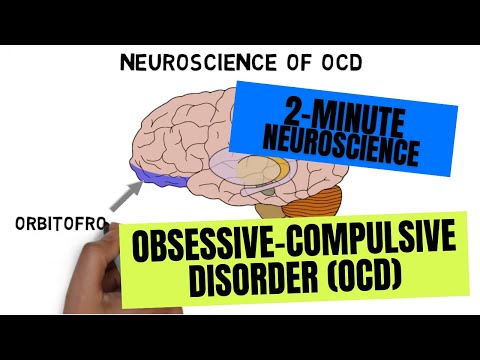
You see, recent research has shown that specific brain areas play crucial roles in OCD. Studies using brain imaging have pointed fingers at parts like the **orbitofrontal cortex** and **anterior cingulate cortex** as key players in this game. They signal danger even when there’s none around!
The emotional part of your brain—the amygdala—is also involved here. When someone with OCD encounters an obsessional thought, their amygdala fires up like it’s on high alert! So, what does this mean for treatment? Well, therapies often focus on changing these thinking patterns and helping individuals learn to tolerate anxiety without needing compulsive behaviors.
Cognitive Behavioral Therapy (CBT):
This is where clinicians come in with strategies designed just for this kind of thing! CBT helps people challenge those negative thoughts and reframe how they view their fears. For instance:
- A person might be taught to recognize when they’re having distorted thoughts.
- They may practice exposure exercises—confronting fear sources without resorting to compulsions.
The journey toward understanding OCD is ongoing, but breakthroughs from neuroscience give hope. By shedding light on what’s actually happening inside our heads—and our brains—we can develop better treatments that really help folks manage their symptoms.
In short, grasping the cognitive model behind OCD helps both researchers and clinicians tailor their approaches effectively. If we can work on altering thought patterns at the source instead of just treating symptoms superficially, we stand a better chance at giving people back their lives!
Exploring the Salkovskis Cognitive Model of OCD: Implications for Psychological Research and Treatment
Alright, let’s talk about the Salkovskis Cognitive Model of OCD. You might be thinking, “What’s that?” Well, OCD stands for Obsessive-Compulsive Disorder, and this model helps explain why some people experience those repetitive thoughts and behaviors. Basically, it’s all about how our thoughts can really mess with our feelings and actions.
At the core of Salkovskis’ model is the idea that people with OCD have certain cognitive distortions. These are like glitches in how they think about things. Imagine seeing a shadow at night and instantly believing there’s a monster lurking around—pretty wild, right? That’s kind of what happens in OCD. People interpret their intrusive thoughts as highly significant or threatening.
Now, what does this mean for psychological research? First off, it challenges us to look deeper into how we think. Researchers can use this model to investigate the specific thought patterns in individuals with OCD. For example, say someone feels responsible for preventing bad events just because they had a troubling thought. That feeling can lead to compulsive behaviors like checking locks over and over.
Treatment implications from this model are pretty interesting too. Therapists often focus on cognitive-behavioral therapy (CBT) when working with OCD patients. CBT usually involves challenging those distorted thoughts; basically helping someone re-evaluate their thinking patterns. Imagine someone believes that if they don’t wash their hands ten times, something terrible will happen! The therapist would work with them to see that this thought isn’t based on reality.
The Salkovskis model emphasizes the concept of thought-action fusion. This means people might feel that having a negative thought is just as harmful as actually doing that negative thing. Like if you think about harming someone and suddenly believe you’re a bad person just because of that thought! It’s crucial for therapists to help patients understand that having these thoughts doesn’t define who they are.
You know what else is fascinating? The model digs into how emotional responses impact behavior too! When people feel anxious because of their intrusive thoughts, they often resort to compulsions as a way to cope or reduce anxiety. So, understanding these emotions gives therapists more tools to tailor treatments effectively.
In summary, Salkovskis’ Cognitive Model sheds light on the mental gymnastics involved in OCD and carries important implications for both research and treatment strategies in psychology. Researchers get better insight into how thoughts shape feelings and actions while clinicians can refine their approaches to help individuals regain control over their lives.
This whole topic opens up avenues for further exploration—like how advancements in neuroscience could provide even more understanding behind these mechanisms! The brain is super complex, but every little detail we uncover brings us one step closer to effective treatments!
So, let’s chat about OCD. That’s obsessive-compulsive disorder, in case you didn’t know. It’s one of those things that can really take over someone’s life. Imagine being so stuck on certain thoughts or behaviors that they just loop in your head like a broken record, right? Honestly, I can’t even imagine how tough it must be sometimes.
Recently, there have been some pretty cool advances in neuroscience that are shedding light on what’s going on in the brain when someone struggles with OCD. It’s kind of like peeling back layers of an onion; the more we learn, the clearer the picture becomes. Researchers have been diving deep into brain circuits and neurotransmitters—those little chemical messengers that help our neurons chat with each other.
One fascinating thing is how some studies have spotlighted the role of certain areas in the brain like the orbitofrontal cortex and the striatum. These guys seem to be involved in how we process anxiety and make decisions. So when someone is stuck worrying about whether they locked their door or not (and I mean really stuck), this circuitry might be firing off way more than usual.
It’s also interesting to note that there’s a connection between OCD and some other disorders too, like anxiety and Tourette syndrome. This overlap hints at a broader understanding of how various conditions could be linked through these brain pathways.
I remember talking to a friend whose sibling has OCD, and she described how frustrating it was for them both during flare-ups. It really hit home how much mental health issues can impact families too. The advances in understanding these mechanisms are not just scientific jargon; they’re paving paths toward better treatments and support for people living with OCD.
And here’s something kind of mind-bending: there are treatments being explored that work on these identified neural circuits! Like cognitive behavioral therapy targeted specifically at changing thought patterns or even new medications designed to tweak those neurotransmitter levels more effectively.
So yeah, while there’s still a long way to go in figuring everything out—including why some people develop OCD while others don’t—each little piece of research helps create hope for better solutions down the line. And who knows? Maybe one day we’ll look back on this time as a major turning point in how we understand and treat not just OCD but mental health as a whole!