So, picture this: You’re at the beach, right? Just chilling, soaking up the sun. Suddenly, a huge wave crashes in and splashes you. You laugh it off—classic beach moment! But did you ever think about what that wave really is?
Like, seriously. Waves are more than just fun at the shore. They’re part of this huge ocean dance that scientists are always trying to understand better. And that’s where oceanography comes in.
Oceanographers? They’re like underwater detectives, piecing together clues about our oceans’ secrets. But here’s the kicker: sharing that knowledge isn’t just for textbooks or big conferences; it’s for everyone!
Outreach is key to getting people excited about ocean science and protecting those magnificent waters. So let’s ride this wave of knowledge together and see how we can all connect with our oceans!
Exploring Recent Trends in Oceanography: Innovations and Discoveries Shaping the Future of Marine Science
So, let’s talk about oceanography! You know, that cool field of science that studies the oceans? It’s like a treasure chest of mysteries just waiting to be explored. Lately, there have been some pretty exciting trends and innovations shaking things up in marine science. Seriously, it’s a fascinating time to be involved in this area.
First off, technology is playing a major role. The use of autonomous underwater vehicles (AUVs) is on the rise. Imagine robots swimming through the ocean like fish! These AUVs can collect data from places where it’s tough for human divers to go. They help scientists understand everything from water temperature to marine life patterns without disrupting the ecosystem.
Another game-changer? Satellite technology. These orbiting cameras track changes in sea level and temperature over time. It’s super helpful for monitoring climate change effects on oceans. Back in school, I once read about how scientists used satellite data to discover unexpected warming in certain regions of the ocean—even the tiniest shifts matter!
- Data sharing is also evolving. With collaboration platforms, researchers can share their findings easily. This creates a network of knowledge that benefits everyone involved—like when we shared notes in class!
- Citizen science is gaining momentum too. Everyday folks are joining forces with researchers to collect data on beaches or monitor animal behavior. Remember those beach clean-ups? They’re not just about picking up trash; people are also counting species and reporting their finds!
- Let’s not forget about genetic research. Marine biologists are diving into microbial genomes to better understand ecosystems. These tiny organisms are super important for ocean health, even if they go unnoticed most of the time.
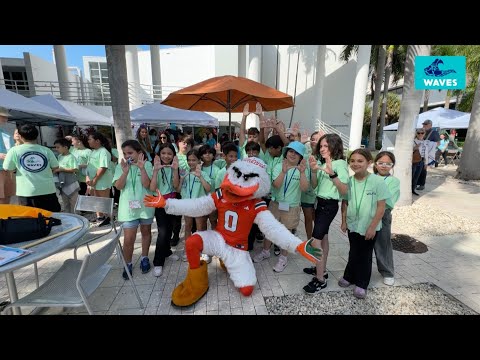
If we think about it, all these trends connect back to something really important: outreach! Getting the word out about discoveries helps inspire people to care more about our oceans. When you hear stories of how our actions affect marine life or when kids participate in educational programs, it kind of lights a spark, right?
You’d be surprised how much impact outreach can make! As someone who grew up by the beach, I remember participating in an educational program where we learned about coral reefs and their importance. That experience made me realize how fragile our marine ecosystems are—like a giant web supporting life underwater that can easily unravel if we’re not careful.
The thing is: oceanography isn’t just for scientists anymore; it’s shaping future generations too! Every small effort counts toward preserving these precious environments for years ahead.
Exploring Career Opportunities in Oceanography: Pathways in Marine Science and Research
So, you’re curious about oceanography? That’s awesome! There’s a whole world under the waves just waiting to be explored. Oceanography is not just about studying fish or corals; it’s a blend of different sciences that help us understand the oceans’ role in our planet’s health.
First off, let’s talk about what oceanographers do. They study the ocean’s physical properties, like currents and waves, as well as its chemistry and biology. It’s kind of like being a detective but for water! They examine how various factors affect marine ecosystems.
Now, if you’re thinking about diving into this field (pun intended), there are several pathways you could take:
- Education: Most oceanographers start with a solid foundation in science—think biology, chemistry, or geology. A bachelor’s degree is usually the first step.
- Advanced Studies: Many go on to get master’s or even Ph.D. degrees specializing in marine science topics. It’s like leveling up your knowledge!
- Field Work: You will spend time collecting data from research vessels or diving into the depths of the ocean to gather samples. That can be thrilling but also tough work!
- Internships: Getting hands-on experience through internships can be super valuable! Many organizations offer programs where you can learn the ropes while contributing to real research.
Think about this: when I was a kid, I spent countless summers at the beach digging around in tidal pools with friends, fascinated by tiny crabs and sea stars. Those experiences opened my eyes to how diverse marine life is and showed me how everything in these ecosystems is connected.
As for job opportunities after schooling? They vary widely! You could end up working for government agencies focused on environmental protection or join non-profit organizations dedicated to preserving marine habitats. Some folks even work in education or outreach roles—it’s all about sharing that *waves of knowledge* with others.
You might also consider private sector jobs; companies often hire oceanographers for resource management related to oil exploration or fisheries. It sounds pretty intense but think about how important those resources are for us all!
One interesting area emerging now is “remote sensing.” This tech uses satellites to monitor ocean conditions from space! Oceanographers analyze this data for things like climate change impacts or tracking marine life migrations.
But let’s not forget: outreach plays a major role too! Sharing knowledge through community programs helps raise awareness of marine conservation—something we should all care about because our oceans are vital for life on Earth.
So, if you’re ready to chase those career waves, remember that passion goes a long way here. Dive deep into your interests and don’t be afraid to swim against currents sometimes!
Exploring the Future of Oceanography: Innovations and Insights in Marine Science
When you think about the ocean, what comes to mind? For many, it’s serene beaches and waves crashing against rocks. But beneath the surface is a world full of mysteries waiting to be uncovered. Oceanography is basically the science that studies these vast bodies of water, and it’s evolving in some pretty cool ways right now.
Innovations in Technology are shaking things up in oceanography. Imagine robots diving deep into the ocean, collecting data and samples without needing a human on board. These autonomous underwater vehicles (AUVs) are helping scientists explore areas we couldn’t reach before. Just picture a remote-controlled submersible gliding through dark waters—it’s like something out of a sci-fi movie!
Also, new satellite technology allows scientists to monitor ocean temperatures and currents from space! Satellites can detect tiny changes in sea level or temperature, which helps researchers understand climate change impacts more effectively. So when you hear about those rising sea levels and their threat to coastal cities? Yeah, this tech plays a big role in tracking that.
Then there’s the whole field of marine biology. Understanding marine ecosystems has become crucial for conservation efforts. With innovations like environmental DNA (eDNA) testing, scientists can analyze samples from water to identify what species are present without needing to catch them physically. It’s quick and way less invasive—like having a superpower that tells you who’s swimming around down there!
Outreach programs have also stepped up their game. They’re crucial for educating people about ocean health and conservation efforts. Imagine schools taking kids on virtual field trips through immersive experiences right from their classrooms! This kind of engagement helps create awareness and inspires future generations of oceanographers.
Data sharing platforms are becoming essential too. They allow researchers across the globe to share findings instantly! This means that if someone discovers something significant in one part of the world, other scientists can act on it right away—it’s like instant teamwork across continents.
Then there’s climate change. The oceans absorb tons of carbon dioxide and heat from our atmosphere, impacting marine life drastically. Understanding these changes requires innovative approaches paired with outreach so we all grasp just how urgent these issues are.
You might think about those documentaries where they dive deep into coral reefs or showcase whale migrations—these forms of storytelling fuel public interest and understanding about our oceans.
So what does all this mean for the future? Well, being informed is key! With ongoing advances in technology alongside effective outreach efforts, we could unlock secrets about our oceans that have been hidden for centuries.
In summary:
- AUVs help explore hard-to-reach areas.
- Satellite tech monitors oceans from space.
- eDNA testing identifies species non-invasively.
- Outreach programs inspire future generations.
- Data sharing platforms connect global researchers.
- A greater understanding of climate change
It’s exciting stuff! The future of oceanography is bright with potential discoveries ahead – not just for scientists but for everyone who loves our blue planet!
You know, thinking about oceanography really pulls me in. It’s wild to realize that our oceans are so vast and mysterious, right? I remember the first time I stood on a beach, just gazing out at the endless water. The waves crashed with this rhythm that felt almost like a heartbeat of the Earth. It got me curious—what’s really going on out there beneath the surface?
So, oceanography is all about studying those big blue expanses. Scientists dive into everything from currents to marine life, even the physical and chemical properties of seawater. But here’s where it gets interesting: while scientists are doing their thing, there’s this whole outreach aspect that connects them with everyday folks like you and me. Basically, oceanographers want us to get jazzed about what’s happening down below.
Here’s why outreach matters so much—it’s like casting a net for knowledge! When researchers share their findings with local communities or schools, they spark interest and inspire future generations. Imagine kids learning about dolphins or coral reefs in a fun way; it could hook them for life! I mean, when was the last time you heard a kid say they wanted to grow up to be an accountant? There’s something magical about the ocean that catches your imagination.
And let’s not forget how crucial this is for conservation efforts too. If people understand more about marine ecosystems and how fragile they can be, they might start caring more. Like when you learn that plastic waste affects turtles or that certain fish are endangered because of overfishing—it hits hard.
Outreach events can take loads of forms—community cleanups, educational programs at aquariums, even fun science fairs! They’re all ways to connect people with science and show how our actions impact those beautiful waters we treasure.
To me, it feels like riding a wave together—scientists and communities side by side. When we come together to understand and protect our oceans, we create ripples of change that go far beyond our shorelines—even affecting global issues like climate change. So next time you’re near the beach or even flipping through a nature documentary on TV, think about the folks behind all those cool discoveries working tirelessly beneath the waves. Together we can make waves of knowledge count!