So, you know how sometimes you hear about these medical breakthroughs, and it’s like a sci-fi movie come to life? Well, ovarian cancer research has been making some pretty wild strides lately. I mean, it’s not the kind of thing you’d discuss over coffee unless you’re a total science nerd—it’s serious stuff!
But here’s the thing. Ovarian cancer can be super sneaky, often popping up without any warning. That’s what makes the innovations in clinical trials so crucial. Like, imagine having better ways to catch it early or fight it off—all thanks to new research.
I remember chatting with a friend whose aunt went through ovarian cancer. She told me how confusing it all was—like trying to navigate a maze blindfolded! But now? There are more tools in the kit than ever before!
You see what I’m getting at? With exciting trials and research on the horizon, there’s hope out there that’s worth talking about. And who knows? Maybe one day we’ll look back and marvel at how far we’ve come!
Exploring the Most Promising Clinical Trials Advancing Ovarian Cancer Treatment
Ovarian cancer treatment has come a long way in recent years, thanks to exciting clinical trials. These studies are critical because they help test new treatments and improve existing ones. Let’s look into some of the most promising advances that are currently happening.
One area seeing a lot of innovation is targeted therapy. Basically, this means finding ways to target specific characteristics of cancer cells. For instance, some trials focus on drugs that target mutations in the BRCA genes. These genes are involved in repairing DNA, and if they’re faulty, cancer can grow more easily. A new drug called olaparib has shown great potential here.
- Immunotherapy: Another fascinating field! This approach uses your own immune system to fight cancer. Some trials are investigating monoclonal antibodies, which are engineered proteins designed to bind to specific targets on cancer cells. It helps your immune system recognize and destroy them.
- Combination therapies: What’s interesting is that combining different treatments can sometimes be more effective than using one alone. For example, some researchers are testing combinations of chemotherapy with immunotherapy or targeted drugs to see if they can boost each other’s effectiveness.
- New delivery methods: Some trials explore how we can deliver drugs more effectively right where they’re needed—like using nanoparticles or special coatings on drugs that help them reach the tumor while causing less harm to healthy tissue. Sounds cool, right?
A moment comes to mind: I once spoke with a woman who participated in a trial for a new targeted therapy for ovarian cancer. Feeling hopeful during her treatment journey was tough; she faced ups and downs like anyone else. But realizing she was part of something bigger—helping advance treatment options—gave her strength.
Another exciting area is research into biomarkers. These are molecules found in blood or tissues that can tell us more about the type of cancer someone has or how well a treatment might work for them. Some clinical trials are working on developing tests that could help personalize treatment plans for better outcomes—how cool is that?
The future looks brighter thanks to these innovations being tested right now in various clinical settings around the world. Patients involved in these trials play a crucial role; their experiences and results will shape how ovarian cancer is treated down the line!
The thing is, staying updated on these developments is vital for patients and families affected by ovarian cancer because it opens doors to new options and hope for more effective treatments down the road.
Recent Advances in Ovarian Cancer Research: Key Findings and Implications for Treatment
Ovarian cancer is a tough opponent. It sneaks up on you, and by the time it’s diagnosed, it’s often in its later stages. But research in this area has been buzzing with some amazing breakthroughs that could change the game. Let’s take a closer look at what’s been happening lately.
New Insights on Genetic Markers
Scientists have discovered specific genetic markers that can predict how aggressive an ovarian tumor might be. These markers can help doctors tailor treatments better for patients. Imagine knowing upfront which treatments are likely to work based on your genetics! It’s like having a cheat sheet for your health.
PARP Inhibitors Are Gaining Ground
So, you may have heard about PARP inhibitors. These are drugs designed to target cancer cells’ ability to repair themselves. They’re especially effective for people with certain genetic mutations, like BRCA1 and BRCA2, which typically make you more susceptible to breast and ovarian cancers. Recent studies show these drugs improve survival rates significantly when used in early-line treatment settings.
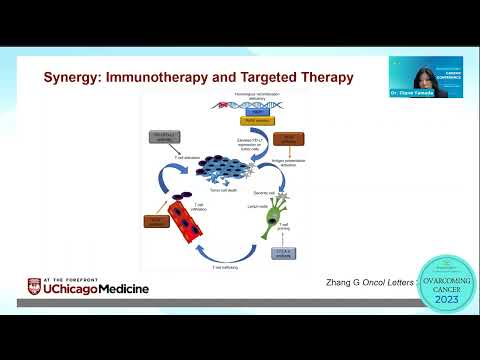
Here’s where it gets interesting: researchers are looking into combining PARP inhibitors with other therapies, like immunotherapy. The idea is that while the PARP inhibitor is working on those tricky cancer cells, immunotherapy can rally your immune system to further fight off the disease.
Innovative Clinical Trials
Clinical trials play a huge role here too! More advanced designs are being employed these days which allow researchers to test multiple treatments simultaneously or even adjust protocols based on early results from participants. This flexibility is pretty cool because it helps speed things up without compromising safety.
You’ve got trials that not only test new drugs but also new combinations of existing ones or even different administration methods—like giving medication directly into the abdomen instead of just through IVs. This approach aims to deliver higher doses right where they’re needed most!
The Role of Artificial Intelligence
Now, let’s chat about technology—specifically artificial intelligence (AI). Researchers have started using AI algorithms to analyze massive amounts of data related to ovarian cancer research and clinical outcomes. By recognizing patterns, AI can help identify which patients might benefit from specific treatments based on past case results.
It’s like having a super-smart buddy combing through all the data so doctors can make better decisions faster.
Patient-Centric Research Approach
There’s also been a shift toward involving patients in the research process more than ever before! Patient advocacy groups are being consulted about what matters most to them in terms of treatment outcomes and quality of life considerations during clinical trials. This ensures that future research isn’t just about numbers—it’s about real-life impacts on people’s lives.
So yeah, while ovarian cancer still poses challenges, these recent advances give hope for better detection methods and more personalized treatment options down the line. It’s kind of an exhilarating time in research if you think about it! With all this innovation brewing in labs and hospitals worldwide, we could see significant shifts in how this disease is tackled over coming years.
Advancements in Ovarian Cancer Treatments: Innovative Approaches for 2025
Ovarian cancer is one of those topics that’s close to the hearts of many people. It’s a challenging disease and not always easy to talk about. But here’s the thing: there are some exciting advancements happening in treatments, especially looking ahead to 2025.
Targeted Therapies are becoming a big deal. These treatments concentrate on specific characteristics of cancer cells rather than attacking all rapidly dividing cells, which can help spare normal cells from damage. For instance, some therapies focus on the genetic mutations found in tumors, like BRCA1 and BRCA2. If you have these specific mutations, targeted therapies can be much more effective.
Then there’s immunotherapy. You might’ve heard about this one—it’s like training your own immune system to recognize and fight cancer cells. In clinical trials, researchers are testing different types of immunotherapies that boost your body’s natural defenses against cancer. Some patients have seen promising results!
Another approach includes personalized medicine, which tailors treatment based on individual patient profiles. This isn’t just about your genes; it includes factors like your lifestyle and environment too! Imagine getting treatment that’s made just for you; that’s the goal here!
And what about clinical trials? They’re super important for finding out what works best for patients—really cutting-edge stuff happening there! Researchers are exploring innovative combinations of drugs or even new delivery methods to make treatments more effective.
One big hope for 2025 is an increase in available non-invasive diagnostic tools. Picture a test that could detect ovarian cancer early without complicated procedures! These tools could lead to earlier treatment, which is crucial when it comes to improving outcomes.
Also, there’s this idea called behavioral health integration. It looks at how emotional well-being affects recovery from ovarian cancer. You know how stress can impact your health? Well, researchers want to create support systems alongside medical treatments to help women cope better.
In short, as we look toward 2025, there seems to be a real push toward smarter, more tailored approaches in ovarian cancer treatments—from targeting specific mutations and using immunotherapy to personalizing care based on individual needs. And let’s not forget the importance of early detection with new diagnostic methods!
It feels hopeful when you see all these advancements coming together—not just for the patients but also for families affected by this disease. Every step forward counts in making long-term improvements in survival rates and quality of life! So here’s hoping for even more breakthroughs as we stride into the next few years!
So, ovarian cancer, right? It’s one of those things that just doesn’t get enough attention. You might hear a lot about breast cancer or even prostate cancer, but ovarian cancer often flies under the radar. And, let me tell you, that’s pretty frustrating because it’s serious stuff.
When I was chatting with a friend whose aunt had fought ovarian cancer, the family faced so many ups and downs during her treatment. The emotional rollercoaster—one day hopeful because she was responding well to treatment and the next day feeling crushed by bad news—was intense to witness. It made me realize how vital it is for researchers to innovate and make progress in this area.
Now, here’s where it gets interesting: there have been some cool innovations recently in clinical trials for ovarian cancer. Researchers are now leaning on technologies like artificial intelligence (AI) to analyze data quickly and more effectively than ever before. Seriously, think about it! AI can sift through mountains of data to identify patterns or responses in patients that might have gone unnoticed before. That’s a game changer!
And then there’s this whole movement towards personalized medicine. Imagine tailoring treatments based on your unique genetic makeup rather than using a one-size-fits-all approach! Some trials are exploring genetic testing that can help doctors predict which therapies will work best for individual patients, leading to better outcomes and fewer side effects. Pretty amazing, huh?
But here’s the catch: even with these innovations, many trials are still reaching out for more diverse participants. There’s a real need for inclusivity in research so that findings can benefit everyone equally—not just a certain group of people. So when you’re hearing about these trials and therapies on the rise, keep in mind their impact could be much broader if they included different backgrounds.
You see? The journey of dealing with something like ovarian cancer not only affects those directly involved but also pushes the scientific community to strive harder for advancements that can save lives or improve quality of life significantly.
At the end of the day, it’s about hope and progress—driving forward so families don’t have to face such daunting challenges alone. You gotta feel good about where things are heading though there’s still work to do!