You know that feeling when you’re trying to figure out why your plants keep dying? You water them, change the pot, and even talk to them like they’re your buddies. But somehow, they still look sad.
Well, research can be a bit like that! It’s all about collecting clues to understand what’s really going on. And guess what? One of the coolest ways scientists tackle this mystery is with something called panel data methods. Sounds fancy, right?
But here’s the catch: it’s not just for lab coats and big charts. These methods are actually super handy in outreach too. So when we say “panel data,” we’re talking about a way to look at stuff over time—like how my plant buddy’s mood changes with different sunlight or care routines.
Imagine you’re trying to get people excited about science or any topic really. You’ll want to see how their interest grows (or shrinks) over time, just like those plants! Let’s dig into this a little more and see how it all plays out in real life!
Understanding the Panel Method: A Key Technique in Scientific Research Methodology
Understanding the panel method is super important in scientific research methodology. So, like, what is the panel method? Basically, it’s a technique that researchers use to analyze data collected from the same subjects over time. This gives a lot of valuable insights that you just can’t get from one-off studies.
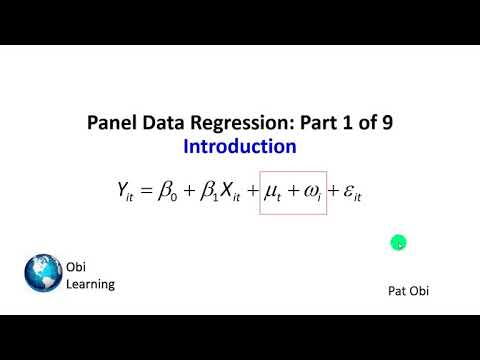
Panel data refers to data that consists of multiple observations over time for the same units, like people, companies, or countries. Imagine following a group of friends for a few years and noting their annual incomes. That’s kind of how panel data works—tracking changes in multiple dimensions at once.
So why not just use regular data? Well, this is where the magic happens. By using the panel method, researchers can control for variables that don’t change over time but can affect outcomes. For example, let’s say you’re studying how education impacts income. With panel data, you could control for innate ability or family background because you’re looking at the same individuals through different stages of their lives.
Also, let’s not forget about those pesky external factors! Things like economic downturns or policy changes can hit hard and skew results if you’re only looking at snapshots in time. But with panels, researchers can see how these factors play out over years and adjust their findings accordingly.
Now you might be thinking: “This sounds great and all—but does it have its flaws?” Well, yes! One downside is that collecting this kind of data can be super resource-intensive and expensive. You need to keep tracking people over long periods, which isn’t always easy or feasible.
On top of that, there’s something called “attrition.” This is when participants drop out over time. It can lead to biases in your results if those who leave are different from those who stay. Imagine if all your friends with higher incomes decided to stop hanging out—your view of their economic status might get distorted!
Another key aspect of using panel data is its ability to analyze both cross-sectional (different individuals) and longitudinal (same individuals) variations together. You get a fuller picture!
Let’s talk about some practical applications too. Researchers often use these methods in economics to study how policies affect job markets or income inequality over time. In public health research, scientists might track health outcomes across various populations to see how interventions work differently based on lifestyle factors.
So all in all, understanding the panel method is like opening a treasure chest full of rich information! It’s not perfect and has its quirks just like any other tool in research but man does it offer a depth that’s hard to achieve otherwise.
In summary:
- Panel Data: Observations from the same subjects across different times.
- Control Variables: Helps manage unchanging traits influencing outcomes.
- Temporal Changes: Captures effects from external events more accurately.
- Attrition Risks: Potential biases when participants drop out.
- Diverse Applications: Commonly used in economics and public health.
So yeah! That’s pretty much what you need to know about the panel method and why it plays such an essential role in scientific research methodologies!
Exploring Panelist-Driven Research Methodologies in the Scientific Field
So, let’s talk about panelist-driven research methodologies. You know, this method’s pretty cool and it’s all about gathering data from the same subjects over time. Imagine you’re at a party, right? You catch up with your friends every year. So instead of asking random people every single time, you stick to the ones you already know. This way, you get their updates and changes in life—and that helps you understand trends better.
Panel data methods are basically like that but for researchers. They keep coming back to the same group of people (that’s the panel!) across different time points. This allows scientists to observe how things evolve and change under various influences or conditions.
Now, why is this method useful? Think about it: when researchers collect data repeatedly from the same panelists, they can really dig deep into how certain factors influence behaviors or outcomes over time. For example:
- Longitudinal Studies: By tracking the same people over years, researchers can see how lifestyle changes affect health trends.
- Causal Inference: It helps in understanding cause-and-effect relationships better since there’s consistent data from the same folks.
- Variability Analysis: Researchers can look at individual differences and not just average trends—because we’re not all cookie-cutter versions of each other, right?
Let’s say scientists want to study how social media influences mental health over several years. Instead of polling a new group every year, they could follow a specific group of teens from high school through college. They’d take regular surveys on mental well-being and social media habits. It’s super insightful because they can see shifts as these teens grow up!
But here’s where it gets interesting: there are challenges too! Like when some panelists drop out during the study period—this is known as attrition, and it can skew results if those who leave have different characteristics compared to those who stay. Also, keeping engagement high is tough; researchers need to make sure participants feel valued so they keep showing up.
And let me tell ya: reaching out can make a big difference in outreach efforts! When researchers gather insights through panels in community projects or science fairs—even without being overly technical—they can share findings with participants directly! It’s like saying thanks for helping out while also making them feel included in “the science.”
In summary, panelist-driven research methodologies give us an amazing lens into scientific exploration—offering both depth and richness that snapshot studies just can’t provide alone. It’s exciting stuff!
Understanding Panel Study Methodology in Scientific Research: A Comprehensive Guide
So, let’s talk about panel study methodology in scientific research! It’s a cool topic and honestly, once you get the hang of it, it’s super interesting.
Panel studies are all about collecting data from the same group of people over various points in time. Think of it as a long-term relationship between researchers and their subjects. Instead of just asking someone how they feel right now, you’re seeing how their feelings or behaviors change. This method gives researchers a more detailed view of trends and changes over time.
First off, the idea behind panel studies is to observe changes either in individuals or groups. For example, you could study a group of teenagers over five years to see how their educational choices evolve as they grow older. Pretty neat, huh?
One important thing to note is that panel studies can include both qualitative and quantitative data. This means you might be looking at numbers (like income levels) or subjective experiences (like happiness). Mixing these types can give a richer understanding because feelings often play into numbers—and vice versa.
Now, let’s break down some key aspects of this methodology:
And here’s something sobering: panel studies tend to take longer than other methods. So if you’re thinking about jumping in with both feet, be prepared for some patience!
A great real-world example would be surveys conducted by universities on student well-being throughout their college years. Researchers can look at how students feel during finals week vs. when they’re chillin’ during summer break.
Finally, while this methodology is powerful, it’s super important to keep biases in mind! Changes in society could skew results—even things like global events or economic downturns might influence how your sample behaves or feels.
So yeah, that’s the scoop on panel study methodology! It’s all about getting that rich picture of change over time while navigating challenges like keeping participants engaged and figuring out effective ways to collect your data! Neat stuff when you think about its applications across various fields like psychology, sociology or even marketing—because knowing how people’s opinions shift over time? That knowledge is gold!
Okay, so let’s chat about panel data methods. They might not sound like the most thrilling topic at first, but they play a huge role in scientific research and outreach. You see, panel data essentially means you’re looking at the same subjects—people, countries, whatever—over time. It’s like following your friend on their journey from being a couch potato to running marathons. You get to see how their habits change and what influences them along the way.
I remember back in college, I worked on a research project that involved tracking changes in public health over several years. We had this massive dataset with health indicators from various communities at different times. It was eye-opening! We could spot trends, like how certain policies improved community health or didn’t really do much at all. Those patterns were crystal clear because we had that rich info from multiple points in time.
So why does this matter in outreach? Well, when you analyze these long-term trends, it helps scientists communicate findings more effectively to the public. Let’s say researchers find out that certain lifestyle changes lead to better health outcomes over several years—that’s a powerful message to send out! It makes it easier for people to understand how their choices can impact their lives.
But here’s where it gets tricky: collecting panel data can be tough! You have to keep track of the same subjects for extended periods without losing them along the way. Imagine trying to keep up with a group of friends who are all moving around and changing jobs or interests—it takes commitment!
And then there’s the whole issue of how you present your findings. Numbers can be boring unless you tell a story with them—without a narrative, even solid stats can fall flat. So researchers often have to tune into how people react or engage with those stories during outreach.
At the end of the day, panel data methods aren’t just about crunching numbers; they’re about understanding real-life changes and helping people see the impact of those changes over time. And if that means inspiring someone to take up running—or just make healthier choices—that seems pretty valuable, doesn’t it?