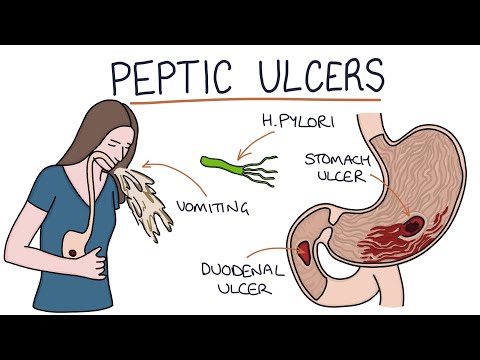
So, picture this: you’re at a fancy restaurant, savoring the best pasta of your life. Suddenly, you feel this weird burning sensation in your stomach. Yeah, that’s not a cool vibe. Turns out, it might be your stomach throwing a tantrum over a peptic ulcer!
Peptic ulcer disease is like that unwelcome party crasher nobody invited. It sneaks in and messes with your digestive system. But wait, what even is a peptic ulcer? Well, it’s basically an open sore on the lining of your stomach or the upper part of your small intestine. And trust me; it doesn’t play nice.
In modern medicine, understanding how these pesky ulcers work can make all the difference in treating them. So if you’ve ever felt that uncomfortable burn after brunch or heard someone complain about their gut issues, stick around! We’re diving into what makes peptic ulcers tick and why they’re still relevant today.
Understanding the Mechanism of Action of Drugs for Peptic Ulcer Disease: Insights from Pharmacology
Peptic ulcer disease can be a real pain. Literally. It’s all about those nasty sores that pop up in your stomach or the first part of your small intestine. So, what causes this? Well, there are a few main culprits. Helicobacter pylori, a sneaky little bacterium, is one of them. Then you have overuse of certain medications like NSAIDs (you know, stuff like ibuprofen) and lifestyle factors like smoking or stress.
Now, let’s chat about how drugs work to tackle peptic ulcers. Basically, treatment focuses on reducing stomach acid and eradicating H. pylori if it’s hanging around.
- Proton pump inhibitors (PPIs): These bad boys are super effective at blocking the acid production in your stomach. By shutting down the proton pumps (which pump out hydrogen ions that create acid), they help your ulcers heal faster.
- H2-receptor antagonists: Another cool class of drugs! They block histamine receptors found in the stomach lining, which also reduces acid secretion but slightly differs from PPIs in their mechanism.
- Antibiotics: If H. pylori is present, you get put on antibiotics to zap that bacteria outta there! Doctors usually combine them with PPIs for better results.
- Antacids: These offer quick relief by neutralizing existing stomach acid but won’t heal the ulcer itself. Think of them as a temporary fix while you wait for other treatments to kick in.
So here’s how these meds work: when you take a PPI, it interacts with enzymes in the cells lining your stomach. This not only decreases acid production but can also lead to increased gastric pH, creating a friendlier environment for healing.
Let me share an experience: I once had a friend who suffered from terrible heartburn and thought it was just something he had to live with. After visiting his doctor and starting on PPIs, his life changed dramatically! He could finally enjoy hot wings without fear of pain later on.
It’s interesting because while all these drugs can help heal ulcers and relieve symptoms, they each have their own side effects and risks to consider—like potential nutrient malabsorption or risk of infections when using antibiotics.
Another thing worth mentioning is that treatment doesn’t just rely on medication alone; lifestyle changes play a massive role too! Eating smaller meals and avoiding spicy foods can make a difference in how well you feel during recovery.
Remember though—always consult with a healthcare provider before jumping into any treatment plan! They can help tailor options based on your individual situation.
In summary, understanding how these medications interact with our bodies helps us appreciate their importance in healing peptic ulcers and improving quality of life—seriously impactful stuff!
Understanding the Pathophysiology of Ulceration: Mechanisms and Implications in Medical Science
So, ulceration is one of those things that can really mess with your day, huh? When we talk about peptic ulcers specifically, we’re diving into this whole world of stomach and intestinal issues. Let’s break it down together.
First off, what are peptic ulcers? They’re like little sores that form on the lining of your stomach or the first part of your small intestine. They occur when there’s an imbalance between the protective factors in the stomach and those that cause damage, like acid. Think of it as a fight where your body’s defenses are outnumbered.
Now, what causes these pesky things? Well, there are a few main culprits:
- Helicobacter pylori (H. pylori): This nasty bacteria is a major player in causing ulcers. It burrows into the stomach lining and can lead to inflammation and erosion.
- Nonsteroidal anti-inflammatory drugs (NSAIDs): Yeah, those pain relievers you might take without thinking can actually mess with your stomach lining if you’re not careful.
- Cigarette smoking: It’s not just bad for your lungs! Smoking can also increase stomach acid production and make healing harder.
So, here’s what happens at the cellular level when we get an ulcer: The protective mucus layer in your stomach gets a little thin or even breaks down due to these irritants. When that happens, the acid can go all wild on the exposed tissue beneath. Ouch!
But wait, there’s more! You know how emotions can impact your body? Stress isn’t directly responsible for causing ulcers like some folks think, but it can definitely make things worse. It may increase gastric acid secretion or slow down healing processes.
Now let’s chat about symptoms—because knowing what to look out for is key. Common signs include:
- Belly pain or discomfort that tends to come and go.
- Nausea or vomiting; sometimes even food makes you feel queasy.
- If it gets more severe: black or bloody stools; that’s a sign you should hit up a doctor fast!
As for implications in medical science? Well, understanding how these ulcers form helps scientists develop better treatments. For example, if we know H. pylori is involved, doctors often prescribe antibiotics alongside medications to lower acid production.
The really cool part? Research keeps evolving! There are new therapies being explored every day aimed at not just treating but preventing these conditions from recurring.
Dealing with peptic ulcers teaches us so much about our bodies’ balances—or imbalances if we want to be real about it! It shows how crucial it is to take care of ourselves and recognize when something isn’t quite right.
In short—while they may be pretty common and annoying little health nuisances—understanding their pathophysiology gives us insight into better ways to tackle them head-on! Remember to listen to your body because it’s always trying to tell you something important!
Understanding Peptic Ulcer Disease: The Most Common Contributing Causes Explored
Peptic ulcer disease, huh? It’s one of those things that can really mess up your day. So, let’s break it down a bit. Basically, a peptic ulcer is an open sore that develops on the lining of your stomach or the upper part of your small intestine. Sounds pretty unpleasant, right? The most common culprits behind this are a bit surprising.
First off, we need to talk about Helicobacter pylori, or H. pylori for short. This little bacterium is like an uninvited guest at a dinner party—it just won’t leave! It burrows into the stomach lining and causes inflammation, which can lead to ulcers. Studies show that around 60% of people with peptic ulcers might carry this bacteria. Think about it like getting a flat tire; if you don’t patch it up, it’s just gonna get worse.
Another big player in the peptic ulcer game is nonsteroidal anti-inflammatory drugs (NSAIDs). You know those over-the-counter pain relievers like ibuprofen and aspirin? Great for headaches and aches but they can also thin out the stomach lining when used too much. This thinning makes it easier for acids to wreak havoc on your stomach’s insides. Kinda ironic how something we use to feel better could do this!
Stress gets thrown around as a cause too, but it’s not as simple as you might think. While stress doesn’t directly cause ulcers, it sure can exacerbate them. When you’re stressed out, your body produces more acid which then increases the chances of developing an ulcer if there’s another underlying issue present.
- Cigarette smoking: A nasty habit that doesn’t help anything! It interferes with mucus production in the stomach lining and can lead to ulcer complications.
- Excess alcohol consumption: Drinking too much can irritate and erode the mucosal lining of your stomach.
- Dietary factors: Spicy foods aren’t necessarily bad for everyone but they might aggravate symptoms if you already have an ulcer.
You know what’s wild? There was a time when people thought stress and spicy foods were the main culprits behind ulcers—like some kind of myth! But as research evolved, we learned more about H. pylori and NSAIDs leading the charge.
The symptoms of peptic ulcers include things like burning stomach pain, bloating, or feeling really full after eating just a little bit. Imagine heading out for some good food only to feel like you can’t even finish one plate—that’s no fun!
Treatment options have also changed over time thanks to better understanding. Doctors commonly prescribe antibiotics to tackle H. pylori along with medications that reduce acid production in the stomach—these help heal those pesky sores faster than just waiting it out with grandma’s chicken soup!
In short: peptic ulcers are kind of tricky little problems caused by various factors including bugs in your gut (H. pylori), meds you might take casually (like NSAIDs), lifestyle choices (smoking and drinking), and yes even stress sometimes plays a role too! If you think you’re feeling symptoms pointing toward an ulcer? Definitely reach out to someone who knows their stuff about this stuff—your gut will thank you later!
You know, peptic ulcers can feel like this annoying shadow hanging over your stomach. Imagine it: you’re trying to enjoy a nice meal, and suddenly, there’s that gnawing pain. It’s not just any pain; it’s like your stomach is staging a little protest. But what really goes on behind that curtain? Let’s chat about the pathophysiology of peptic ulcer disease.
At its core, peptic ulcers are sores that form on the lining of the stomach or the first part of your small intestine. They happen when there’s an imbalance between stomach acid and the protective mechanisms in place, like mucus and bicarbonate. So, like, if you think of your stomach lining as a shield protecting a castle (your insides), too much acid is like a battering ram trying to break it down.
Now, one of the biggest villains in this story is Helicobacter pylori—a bacteria that seems to have made itself comfy in many people’s guts. Seriously! This little troublemaker can mess up your stomach lining and cause inflammation known as gastritis. If left unchecked, it can lead to those pesky ulcers forming.
Then there are things we all know about but might overlook—like taking too many NSAIDs (that’s nonsteroidal anti-inflammatory drugs) or even just dealing with chronic stress. Like one time I had this friend who was swamped with finals, and her stomach was basically staging a revolt every night because she was popping painkillers for her headaches. Not fun! These factors can reduce the protective mechanisms of our gut lining and pave the way for ulcers.
But here’s where modern medicine steps in—it has brought some amazing solutions to tackle these issues! Treatments often involve proton pump inhibitors that help reduce acid production or antibiotics targeting H. pylori. It’s wild how far we’ve come! You know, back in the day, people suffered without understanding why they had these painful conditions.
What strikes me about peptic ulcer disease is how it reflects our relationship with our bodies—and even our lifestyles today. It’s more than just physical discomfort; it connects deeply with how we handle stress and self-care practices. So next time your friends mention an upset stomach after too much pizza or late-night studying sessions, you might want to share a little wisdom about how their body might be responding to all that chaos!
All said and done, peptic ulcer disease serves as a reminder: sometimes we need to pay attention to those signs from our bodies before they escalate into something more serious. And hey, isn’t it comforting that science is here with answers? Just makes you think about how complex yet fascinating our bodies are!