You ever had a toothache that felt like it could take down a whole building? Yeah, I’ve been there, too. One minute you’re happily munching on your favorite snack, and the next, you’re considering a life choice centered around dental bills.
But honestly, have you thought about what’s happening beneath the surface? You see, that little pain might be linked to something called periapical pathology. Fancy term, huh? It’s basically what goes down when stuff gets messy at the tip of your tooth roots. Seriously, it’s like a backstage pass to your dental drama.
Now here’s the kicker: advances in how we diagnose and treat this stuff have come a long way! You know how they say knowledge is power? Well, in this case, it’s definitely true. From top-notch imaging techniques to super effective treatments—you wouldn’t believe how much has changed.
So let’s chew over some of these breakthroughs together. I promise it’ll be more exciting than you’d think! Trust me; your teeth will thank you later!
Effective Strategies for Treating Periapical Pathology: A Comprehensive Guide
Periapical pathology is a pretty common issue when it comes to dental health. It basically refers to diseases that occur around the tip of the tooth root, usually as a result of infections. Let’s break down some effective strategies for treating this condition!
Diagnosis Comes First
Before jumping into treatment, you gotta nail down the diagnosis. Dentists often use a mix of clinical exams and imaging techniques like X-rays. These can help identify if there’s an abscess or something more serious happening down there.
Root Canal Therapy
One of the go-to treatments is root canal therapy. Sounds scary, right? But it’s actually designed to save your tooth from needing to be pulled out! The dentist removes the infected tissue and cleans out the inner part of the tooth, then seals it up. It’s super effective in stopping further damage.
Antibiotics Can Help
Sometimes, especially when there’s a big infection involved, antibiotics are used as well. They can knock out bacteria that are causing trouble around the root area. But you know what? They usually work best alongside other treatments like that root canal I just mentioned.
Surgery Might Be Necessary
If things get really complicated, or if there’s a persistent issue after a root canal, surgery may be on the table. This could involve apicoectomy—where they remove the tip of the tooth root along with any infected tissue around it. Not what anyone dreams of, but sometimes necessary!
Follow-Up Care Matters
So you’ve had your treatment—awesome! But don’t forget that follow-up care is key too. Regular check-ups help ensure everything heals properly and no new issues pop up later on.
Pain Management
Let’s not forget about pain management during recovery! Over-the-counter pain relievers often do wonders for people post-treatment. Your dentist might also prescribe something stronger if needed.
Prevention is Better Than Cure
Finally, let’s talk prevention! Keeping up with good oral hygiene practices—like brushing and flossing regularly—can make a world of difference in avoiding periapical issues in the first place.
In short, although periapical pathology can sound scary, understanding how to diagnose and treat it makes a big difference in maintaining healthy teeth. So yeah, keep those dental appointments regular and don’t hesitate to reach out if something feels off!
Diagnosing Periapical Lesions: Insights from Dental Science and Imaging Techniques
Sure thing! Let’s break down what diagnosing periapical lesions is all about.
Periapical lesions are basically problems that happen at the ends of your tooth roots, right where they connect to the jawbone. They often come from untreated cavities or infections, and they can really cause some discomfort. Imagine having a stubborn headache that won’t go away; that’s kind of what it feels like when a tooth gets infected.
Now, when we’re talking about diagnosis, imaging techniques play a crucial role. Dentists use several methods to see what’s going on under the surface:
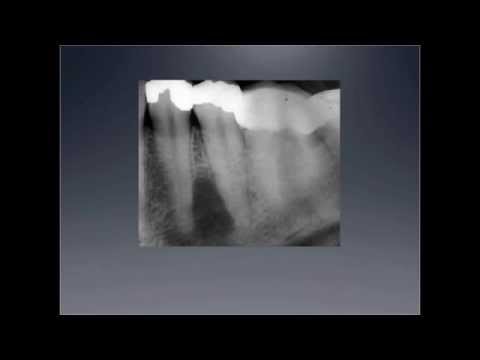
- X-rays: These are like magic windows into your mouth. They help to visualize the bone surrounding the roots of your teeth and detect any dark spots that might indicate infection or inflammation.
- Cone Beam Computed Tomography (CBCT): This is a fancy 3D imaging technique that provides detailed views of bone structures. It’s especially useful for seeing the exact shape and size of periapical lesions.
- Magnetic Resonance Imaging (MRI): Though not as common in dental diagnostics, MRIs can give insight into soft tissue changes around teeth.
Let me tell you a quick story here: I once knew a guy who always ignored his toothaches, thinking they’d just go away—classic move, right? But when he finally visited the dentist, they discovered a sizeable periapical lesion through an X-ray. He had no idea it was causing all those headaches!
So, what happens next? The dentist will typically look for certain signs during an examination. This could include:
- Pain on biting: This indicates inflammation in the area.
- Swelling: If you notice some puffiness around your gums near a tooth, that could be big red flag.
- Pus discharge: Gross but true! A foul-tasting pus from gum pockets suggests an active infection.
The real kicker is that sometimes these lesions can be present without any symptoms at all—silent but deadly! That’s why regular dental check-ups are so important.
Treatment options depend on how severe the issue is. In mild cases, just getting rid of decay and doing some fillings might do the trick. If it’s more serious? You might need root canal therapy to clean out infected tissue or even surgical intervention if things are really nasty.
Remembering my friend’s experience really highlights how essential early diagnosis is in preventing bigger issues down the line. So always listen to your body—those little twinges in your teeth could be signaling something more significant!
To wrap things up, diagnosing periapical lesions involves looking for both clinical signs and using advanced imaging techniques to get a clear picture of what’s going on beneath our beautiful smiles. It’s all about catching things early and keeping those pearly whites healthy!
Understanding Previously Treated Root Canal Diagnosis: Insights into Endodontic Outcomes in Dental Science
When it comes to root canals, it’s easy to get lost in the technical details. But, you know, at the core (pun intended!) of this procedure is a battle against infection and pain. Let’s break down what happens when you’ve already had a root canal and what doctors look for if things don’t go as planned.
So, you’ve gone through a root canal. The dentist cleaned out your tooth, sealed it up, and you think you’re good to go. But sometimes, issues can pop up even after treatment. That’s where periapical pathology comes in.
Periapical pathology refers to problems like inflammation or infection in the tissue surrounding the tip of the tooth root. If bacteria sneak past that seal during or after treatment, they can cause trouble again. This might lead to symptoms like:
- Persistent pain that just won’t quit
- Swelling around your gums
- A funky taste in your mouth
- Pus or discharge near the affected tooth
You might be like: “Wait, I thought I was done with this!” And yeah, that’s completely understandable. Sometimes the tooth doesn’t heal properly because of several factors such as:
- The initial infection was really stubborn.
- The anatomy of your tooth is complicated—think twists and turns that are hard to reach.
- You might have other health issues interfering with healing.
If symptoms arise after a root canal, dentists typically rely on some diagnostic methods to figure out what’s going on.
X-rays are crucial here. They help visualize any bone loss or changes around the tooth’s root that could signify an infection. So you’ll probably find yourself getting a film taken again if something feels off.
Your dentist may also use Cone Beam Computed Tomography (CBCT). It gives a 3D view of your mouth and jawbone—helping them see those tricky spots even better!
Treatment options depend on what’s happening down there:
- If it’s just mild inflammation? They might watch and wait.
- If there’s an actual new infection? Retreatment could be necessary where they clean it out again and seal it up more securely.
- In some tough cases, pulling the tooth altogether might be considered if nothing else works.
The emotional side of this can be hard too! It’s frustrating dealing with dental issues when you thought they were behind you. It reminds me of helping my buddy who had constant discomfort weeks after his procedure; he kept saying he wished he hadn’t gone through it at all! But once he got proper care again? He finally felt relief!
Moral of the story here is simple: Just because you’ve had treatment doesn’t mean you’re in the clear forever! Stay in touch with your dentist and don’t ignore any weird signs from your body!
Your dental health matters, so keep those lines open! Being proactive about potential issues can save you from bigger headaches down the line—literally!
So, let’s chat about something that might sound pretty technical at first but is actually super interesting: periapical pathology. Yeah, I know, it doesn’t exactly roll off the tongue, right? But stick with me.
You know that feeling when you have a toothache? Like, the world stops for a second while you’re trying to figure out if it’s going to be one of those “I-can’t-eat-or-sleep” situations? Well, periapical pathology is all about what’s happening at the tip of your tooth root where your teeth meet your jawbone. When things go wrong down there—like infections or inflammation—it can really throw a wrench in your day-to-day life.
Like, I remember this one time my friend was in agony over a severe toothache. He thought he was just having a bad day until he found out it was actually an infection related to his tooth’s roots! It was wild how something so small could cause so much trouble! Anyway, what’s fascinating is how far we’ve come in diagnosis and treatment over the years. Not too long ago, dental X-rays were pretty much the only way to figure out what was going on beneath the surface. And while they’re still super useful—seriously, who doesn’t appreciate a good peek inside?—we’ve got more advanced options now that are changing the game.
Enter 3D imaging technology! This kind of stuff is like magic for dentists and patients alike. It gives them a more detailed view of what’s happening below ground level. It’s so precise that they can spot issues that X-rays might’ve missed completely. Imagine being able to see all those little nooks and crannies—it’s almost like turning on lights in a dark room! You follow me?
Now onto treatment—the thing is, there used to be this mindset where you’d just pull the affected tooth out and call it a day; let’s face it—that’s not ideal for anyone. Thankfully, dentists are getting better at saving teeth with procedures like root canals or apicoectomy (which basically means removing just the tip of the root). They’re also using better materials these days that help fight infection while healing up those periapical spaces.
So yeah, whether you’re someone who has never had a dental issue or you’ve been through the wringer with tooth pain, understanding these advances feels empowering! You’re not just some patient waiting for things to happen—you’re part of this journey into better dental health thanks to ongoing research and innovation.
In essence, we’re getting real close to cracking this code on how we treat our teeth better than ever before! And trust me; knowing there’s hope when you’re sitting in that dentist chair makes all the difference in the world!