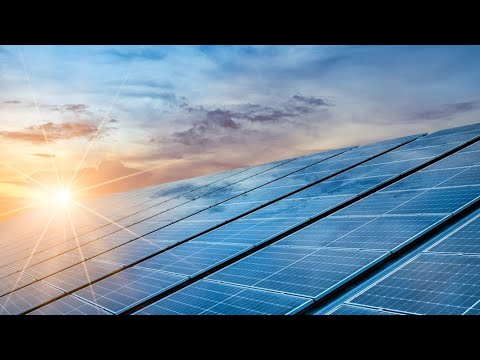
You know that feeling when you step outside on a sunny day and it just warms your soul? Like you can feel the sun giving you a little hug? Well, imagine if that sunshine could power your entire home. Sounds like something out of a sci-fi movie, right?
But here’s the thing: it’s not! Thanks to photovoltaic technology, we’re actually harnessing sunlight and turning it into energy. Crazy, huh? Just think about how much power those sunbeams hold.
I remember this one time, my neighbor proudly showed off his new solar panels. I mean, he was practically glowing! He even joked that he could now “harvest” sunshine like a farmer with crops. It got me thinking—how cool is it that we can tap into something so natural and powerful?
So yeah, let’s unpack this whole solar power game and see how it’s making waves in the energy world!
Understanding the 33% Rule in Solar Panel Efficiency: Key Insights in Solar Energy Science
So, let’s chat about the **33% Rule** in solar panel efficiency. It might sound a bit technical, but stick with me; it’s pretty interesting!
First up, what the heck does this rule even mean? Essentially, it refers to the **maximum theoretical efficiency** that solar cells can achieve when converting sunlight into electricity. The magic number here is around **33%**. This means that, in a perfect world, a solar panel could transform about one-third of the sunlight it receives into usable energy. Kinda cool, right?
Now let’s break down why this number exists. The main reason is that light from the sun contains different wavelengths—think of colors ranging from violet to red. Solar cells are made from materials like silicon that can only capture part of this spectrum effectively. When sunlight hits these materials, some energy gets lost as heat or just doesn’t get absorbed at all.
You follow me? Here are some key points on how this works:
- Band Gap Energy: Each material used in solar cells has what we call a “band gap.” This is crucial because it determines how much energy can be captured. Silicon has a band gap that works great for sunlight but not perfectly.
- Loss Mechanisms: When photons (that’s just a fancy word for light particles) hit the cell, not all of them kick out electrons to generate electricity. Some are reflected away or bounce off without interacting.
- Thermal Losses: As I mentioned earlier, some energy turns into heat instead of electricity when absorbed by the solar panels. It’s like when you rub your hands together really fast—they warm up! In the same way, extra energy doesn’t contribute to electrical output.
So basically, achieving more than 33% efficiency is tough because of these limitations with light absorption and conversion.
Now you might be thinking: “What if we could make super-efficient panels?” Well, researchers have been trying! There are **multi-junction solar cells**, which layer several materials on top of each other. Each layer captures different parts of the solar spectrum and can boost efficiency beyond that magical 33%. Some lab tests are showing efficiencies over **40%**! That sounds fantastic but let’s keep it real: they’re usually pricey and complicated to produce.
Here’s something personal: I remember visiting a community project where they installed regular silicon panels on rooftops. They were really proud when their system generated enough power to cover their entire electric bill! But it got me thinking about how much more energy we could harness if we had access to better technologies like those multi-junction cells.
In short, while we’re working hard on improving efficiency in solar technology, the **33% Rule** serves as a reminder of both our achievements and challenges in harnessing solar power effectively. Every little improvement helps us move towards cleaner energy solutions!
So yeah, it’s an ongoing journey filled with research and innovation—and who knows what breakthroughs might come next? Keep your eyes peeled!
Exploring the Science Behind Solar Energy Technology: Harnessing the Power of the Sun
Sure! Let’s talk about solar energy and how we turn sunshine into electricity, okay? It’s pretty amazing when you think about it.
So, the basic idea with solar energy is to tap into the power of the sun. The sun sends tons of energy to Earth every day—like, more than we could ever use! This is where photovoltaic technology comes in. That’s just a fancy term for how we convert sunlight directly into electricity.
The heart of this technology is something called solar cells. These little guys are made from materials that can absorb light, mainly silicon. When sunlight hits these cells, it knocks electrons loose from their atoms. And those free electrons start moving around, creating an electric current. Pretty cool, right?
Now let’s get a bit techy for a second and break down how this all works:
- Photons: Sunlight is made up of tiny particles called photons.
- Absorption: When these photons hit the solar cell, they transfer their energy to electrons.
- Electron Flow: This energy causes electrons to flow through the material, creating an electric current.
- Conversion: The current flows out of the solar panel and into an inverter that converts it from direct current (DC) to alternating current (AC), which is what your home uses.
So speaking of homes, imagine you’re chilling in your house during summer with all these gadgets on—like your fridge and TV—and thanks to solar panels on your roof? You’re using clean energy straight from the sun! Honestly, I think that’s pretty empowering.
Now let’s talk about another aspect: efficiency. Not all solar panels are equally good at turning sunlight into electricity. Some are super efficient and convert like 20% or more of sunlight into usable energy. Others might only get around 15%. So engineers are always on the hunt for ways to improve this technology and make it even more effective.
An emotional aspect? A while back, I visited a community that had switched entirely to solar power after facing tough times with rising utility costs. You could see how much hope it brought them: families feeling less stress worrying about bills and knowing they were doing their part for the environment!
But with all sweet things come challenges too! For one thing, what happens when it’s cloudy or dark? Solar panels don’t produce electricity at night unless you’ve got batteries storing up sunny day energy—another layer to think about!
Plus, there’s also a lot of discussion around manufacturing these panels initially and what happens when they’re done serving their purpose at the end of life. Recycling methods are in development but still need more work.
At its core though, harnessing solar power is like catching some rays not just for sunburns but for powering our lives! It’s a step toward cleaner air and reduced dependence on fossil fuels.
So yeah, next time you catch some sunlight or see those shiny panels glimmering on rooftops remember: they’re not just sitting there; they’re working hard turning nature’s gift into something that powers our modern lives! How awesome is that?
Exploring the Scientific Reasons Behind Opposition to Solar Farms
Solar farms are popping up everywhere, and that’s great, right? Well, not everyone thinks so. Some folks have serious reservations about them. Let’s look at some of the scientific reasons behind the opposition to solar farms.
First off, there’s the issue of land use. These large installations require a lot of space—often on land that could be used for agriculture or natural habitats. When you cover fields with solar panels, it can disrupt local ecosystems and push out wildlife. Picture this: a vibrant meadow filled with butterflies and bees gets replaced by rows of shiny solar panels. That doesn’t sit well with everyone!
- Environmental impact: Yes, renewable energy is better than fossil fuels in many ways. But the construction and maintenance of solar farms can still harm local flora and fauna.
- Cultural significance: Some areas where solar farms are proposed hold cultural or historical importance for nearby communities. Imagine a sacred site turned into a grid! It sparks strong feelings.
An additional concern is the economic aspect. Sometimes, especially in rural areas, locals fear that these projects might not bring as many jobs or benefits as promised. Like, will those jobs even go to people from the community? Or will they just hire contractors from far away? You follow me?
- Job creation: While solar farms do create jobs in installation and operation, many worry about how long-term employment will stack up.
- Lack of transparency: If communities feel left out of discussions about new solar projects, trust erodes. And without trust, well, opposition grows!
The energy transition itself is another hot topic. Some people are concerned that focusing solely on solar power isn’t enough to address all our energy needs efficiently. They argue we should diversify our energy sources instead of putting all our eggs in one basket—like relying too heavily on sunlight that isn’t always reliable.
You also have technical challenges. Solar technology has come a long way but still faces limitations like inefficiency during cloudy days or at night. People worry about which technologies will be installed and whether they’ll actually perform as expected over time.
- Batteries: Energy storage solutions are still catching up—if these aren’t good enough to hold onto energy generated during sunny days for use later on cloudy days, it raises eyebrows!
- Pv panel disposal: Old panels eventually need replacing too! Concerns about waste management arise since recycling systems aren’t always developed enough yet.
The emotional layer can’t be ignored either; people often feel protective of their home environments or nostalgic for landscapes they’ve known all their lives. For instance, I remember visiting my grandma’s farm—it was just her little piece of paradise with wildflowers everywhere! So when someone suggests turning that land into a massive solar field? Well, it feels personal.
A lot plays into why some resist solar farms—so while we’re all rooting for sustainable energy sources like photovoltaics (those cool panels), it’s vital we acknowledge these concerns seriously before racing ahead!
So, imagine one sunny afternoon. You’re sitting outside, maybe sipping on some lemonade, and you look up at the sky. It’s bright and warm, right? Well, that sunlight isn’t just good for your tan; it’s also an incredible source of energy! That’s where photovoltaic technology comes in.
Basically, photovoltaic (or PV) technology turns sunlight into electricity using solar panels. You know those panels that are popping up on rooftops all over the place? They’re made up of solar cells that capture light particles called photons. When these photons hit the cells, they knock electrons loose from atoms, creating a flow of electricity. It’s like magic! But really, it’s just some nifty physics in action.
Now think about this: we live in a world where we rely heavily on fossil fuels for energy—coal, oil, natural gas—and burning these fuels releases carbon into the atmosphere. That can lead to climate change and a bunch of other problems we’re trying to avoid. So here comes solar energy riding in like a superhero! It’s renewable and clean; basically, it means we can harness power without depleting resources or harming the Earth.
There’s something seriously uplifting about this kind of energy transformation. I remember visiting a small village once where solar panels made it possible for kids to study after dark. They used to rely on kerosene lamps—pretty dangerous stuff! But now? They can dive into their homework without worrying about smoke inhalation or burnt-out bulbs. That little switch from darkness to light is a game changer for them.
But let’s be real for a second—solar power isn’t without its challenges. Some folks argue about how effective solar panels are during cloudy days or at night (which is totally valid). Plus, manufacturing those panels takes energy too! There’s always more to consider when you’re talking about any technology.
Anyway, what really gets me excited is imagining how far we’ve come and how much more potential there still is with solar power! Countries are investing in PV technology like crazy now because it makes sense economically too—it reduces energy bills over time and creates jobs in installation and maintenance.
So yeah, harnessing solar power through photovoltaic technology isn’t just cool science stuff; it’s also about making our lives better while keeping our planet healthy. It’s saying goodbye to old habits and embracing something brighter—and that sounds pretty awesome if you ask me!