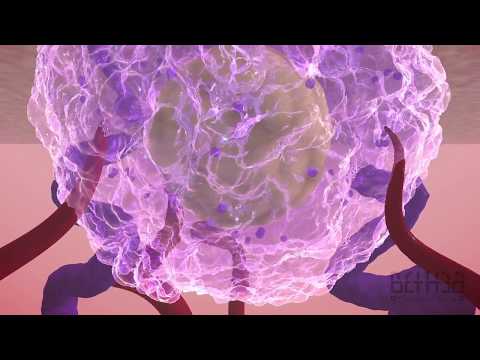
You know what’s wild? The placenta is often called the “tree of life,” and it totally deserves that title! I mean, it’s not just some random organ hanging out in there; it’s like your baby’s own personal Amazon delivery service, bringing all the goodies they need to grow.
And let me tell you, this little powerhouse is packed with drama—like a soap opera! It gets involved in everything from nutrition to waste disposal. Seriously, it’s like the multitasking superhero of the womb.
So, if you’ve ever been curious about how this remarkable structure works and why it’s so vital for fetal development, stick around. We’re going to uncover some amazing stuff about placenta anatomy and its role in that extraordinary journey of growing life.
The Crucial Role of the Placenta in Fetal Development: Insights from Developmental Biology
The placenta is like the ultimate super-organ during pregnancy. Seriously, it’s amazing how this unique structure supports, nourishes, and protects a developing baby. Let’s break down what makes the placenta so crucial in fetal development.
First off, the placenta forms after fertilization when the fertilized egg implants into the uterine wall. It’s not just a flat disk; it has this intricate structure that includes both maternal and fetal tissues. Imagine a tree with roots intertwined in a garden— that’s pretty much how it functions!
Nutrition is one of its main roles. The placenta acts like a delivery service, transferring essential nutrients from mom to baby. This means everything from oxygen to glucose gets passed through efficiently, allowing the fetus to grow and thrive. It’s kind of like how you might borrow snacks from your friend at school— only here, it’s more life-sustaining.
Another fascinating aspect is its role in waste removal. As the fetus develops, it produces waste products like carbon dioxide and urea. The placenta takes care of that too! It sends these waste products back into mom’s bloodstream so her body can eliminate them. Think of it as a two-way street: nourishment goes one way; waste goes back the other.
But wait, there’s more! The placenta also plays a big role in hormonal regulation. It produces hormones that help maintain pregnancy, such as progesterone and human chorionic gonadotropin (hCG). These hormones signal the body to keep nurturing the fetus and prevent menstruation. Without them? Well, let’s just say things wouldn’t go smoothly.
You know how we have our immune systems to protect us from germs? The placenta does something similar but for babies! It acts as a barrier against harmful substances while still allowing some antibodies from mom to pass through. This provides immunological protection before they’re even born.
It’s also interesting to note that all this doesn’t happen in isolation. The placenta communicates with various cells during development. By sending chemical signals, it influences both fetal growth and organ development. So essentially, it’s guiding the little one on how to grow!
In summary:
- Nourishment delivery: Transferring nutrients like oxygen and glucose.
- Waste removal: Eliminating carbon dioxide and urea back to mom’s blood.
- Hormonal regulation: Producing hormones vital for maintaining pregnancy.
- Immune support: Protecting babies while allowing antibody transfer.
- Cell communication: Guiding growth and organ development through signals.
Understanding this amazing organ helps us appreciate just how complex and coordinated fetal development really is. You know? It’s like watching an orchestra play music together—every part needs to be in harmony for everything else to work perfectly!
Exploring the Four Essential Functions of the Placenta in Human Development
You know, when it comes to pregnancy, the placenta is like this unsung hero. It doesn’t get as much credit as it deserves, but honestly? It’s crucial for fetal development. Let’s break down its four essential functions, shall we?
Nutrient Transfer
First off, the placenta does a fantastic job of transferring nutrients from mom to baby. It acts kinda like a super-efficient delivery service. Stuff like oxygen and glucose passes through this cool structure in a way that your body has specially designed. For example, when you eat fruits or veggies, nutrients from those fun foods travel through the bloodstream to the placenta and then to the growing fetus. It’s pretty wild!
Waste Removal
Now, here’s where things get interesting: the placenta helps get rid of waste too! As your fetus grows and develops, it produces waste products like carbon dioxide—nobody wants that hanging around! The placenta sends these unwanted materials back into your bloodstream so your body can dispose of them. This way, both mom and baby stay healthy during pregnancy.
Hormone Production
Ever heard of hormones? They’re those chemical messengers that play a massive role in your body—and guess what? The placenta produces hormones too! Specifically, it creates human chorionic gonadotropin (hCG), which is key in maintaining pregnancy early on. Think of hCG as an alert system that tells your body everything is still on track!
Immunological Protection
Finally, let’s talk defense strategies! The placenta also plays a role in protecting your little one from infections while still allowing some immunity transfer from mom to baby. So basically? It helps balance defense between protecting against threats and letting through antibodies that can help build up the baby’s immune system over time.
So there you have it! The placenta might just look like a weird organ when you picture it, but it’s got these four major functions: nutrient transfer, waste removal, hormone production, and immunological protection. It supports life in ways that are sometimes hard to even wrap our heads around. As strange as this might sound, without this incredible organ doing its job right—from day one—the whole process of creating new life would be nearly impossible! Isn’t nature just fascinating?
Understanding the Crucial Role of the Placenta in Fetal Development: A Scientific Perspective
The placenta is like the superhero of pregnancy, working tirelessly to support a growing fetus. Seriously, it’s one of those amazing things that make life possible! So, what exactly does it do? Let’s break it down.
First off, what is the placenta? Well, think of it as the temporary organ that forms in your body during pregnancy. It’s attached to the uterine wall and is connected to the fetus by the umbilical cord. This thing grows and evolves as pregnancy progresses, adapting to meet all the needs of the baby. Isn’t that something?
Nourishment and Waste Removal are two major jobs of the placenta. It takes in oxygen and nutrients from your blood and sends them right to the fetus. But there’s more! It also helps flush out waste products from the baby’s blood back into your system for disposal. Talk about multitasking!
Another cool aspect is Hormone Production. The placenta produces essential hormones like progesterone and estrogen, which help maintain pregnancy. These hormones are basically cheerleaders for both you and your baby during those nine months.
Then there’s Immunological Protection. The placenta acts as a shield, allowing only certain substances to pass through while keeping harmful bacteria or viruses at bay. It’s like an exclusive club where only VIPs get in—pretty smart, huh?
Now let’s get into Placenta Anatomy. It has multiple layers:
- Cytotrophoblast: This thin layer helps attach the placenta to the uterine wall.
- Syndiotrophoblast: This layer plays a role in hormone production.
- Chorion: The outer membrane that houses blood vessels.
- Decidua: Part of your uterine lining that thickens during pregnancy to support growth.
Each layer has its own function but works together seamlessly!
You might wonder about complications like placental abruption or previa. These conditions can seriously impact pregnancy; they happen when something goes wrong with how this organ does its job. Understanding these issues highlights just how crucial a healthy placenta is.
I remember reading about a woman who had severe complications because her placenta wasn’t functioning properly. She described feeling helpless but also amazed by how quickly medical teams acted—like they were on a mission! Thankfully, she delivered a healthy baby after skilled doctors stepped in.
So yeah, understanding how vital this organ is can really change how we think about pregnancy altogether. The placenta may just be this unassuming disk-like thing but its role in fetal development? Simply extraordinary!
So, the placenta is like this incredible organ that forms during pregnancy. It’s wild when you really think about it—it’s pretty much the lifeline between a mom and her baby. The thing is, while we often focus on the cute baby stuff, the placenta is working hard behind the scenes.
Anatomically, it’s fascinating. Picture a flat disk, about the size of a dinner plate by the end of pregnancy. It’s made up of different layers and has this spongy texture. One side attaches to the uterine wall, while the other connects to the umbilical cord that feeds nutrients and oxygen from mom to baby.
And let me tell you; it’s not just a one-way street! The placenta also helps filter out waste products from the baby’s blood back to mom. It’s like having your own little recycling center in there—seriously! This organ has special cells that allow for this selective exchange. Pretty cool, huh?
Speaking of cool, I remember when my friend was pregnant; she was all about learning everything she could about fetal development, you know? She’d read books and articles like she was cramming for an exam! One day she told me how amazed she was by how much her body was doing without her even realizing it. Like, this whole time her body was doing all this crazy complex science without her having to think about it! I mean, wow!
We often overlook just how vital the placenta is in ensuring everything goes smoothly during pregnancy. It produces hormones too—things like progesterone and human chorionic gonadotropin (yeah, try saying that five times fast!). These hormones help maintain pregnancy and support fetal growth.
So next time someone mentions pregnancy or babies, think about that unsung hero—the placenta—that works tirelessly until delivery day. It really has a huge role in making sure those little ones have everything they need to grow strong and healthy inside their cozy home!