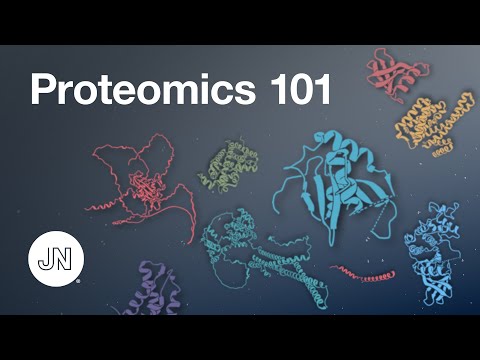
You know that moment when you open your fridge, and there’s this mysterious Tupperware container sitting there? You’re like, “What exactly is in there?” Well, proteomics is kinda like that. It’s all about exploring the complex world of proteins, those little powerhouses inside our cells that do tons of important stuff.
So imagine proteins as tiny workers in a factory, making everything run smoothly. You ever think about why some folks are allergic to peanuts or how certain diseases happen? Yup, proteins play a huge role in that too.
Now, scientists are getting super creative with how they study these guys! From analyzing tiny parts of a cell to figuring out how proteins interact with each other—it’s like a backstage pass to the cellular concert of life.
Exciting innovations are popping up everywhere in proteomics research and application! Whether it’s helping in drug development or understanding diseases better, we’re just scratching the surface of what’s possible. So grab your imaginary lab coat and let’s wander through this fascinating field together!
Exploring Approaches to Proteomics: Techniques and Applications in Modern Science
Proteomics is like the ultimate treasure hunt in the world of proteins. So, what’s the deal? Well, proteomics is all about studying the entire set of proteins that are produced or modified in a biological system. Imagine finding out which proteins are hanging out in your cells and what they’re up to—it’s pretty cool!
First off, there are some key techniques used in proteomics. One of the most popular is mass spectrometry. This fancy tool helps scientists identify and quantify proteins by measuring their mass. It’s kind of like weighing them but way more high-tech! You get a fingerprint for each protein, helping you figure out exactly what’s present in a sample.
Another technique that gets a lot of love is two-dimensional gel electrophoresis. Now, this sounds complicated but stick with me! It’s like running a race for proteins. First, they get separated by their charge and then by size on a gel. You can visualize where each protein lands—like marking spots on a track field.
Now let’s talk about some applications because that’s where it gets really interesting! Proteomics has revolutionized medicine, especially in understanding diseases. For example: researchers can spot protein changes associated with cancer. If you find specific proteins that act differently in cancer cells compared to normal cells, it might lead to new treatments or diagnostic tests!
Also, consider how proteomics plays into drug development. Often, when developing new drugs, scientists need to know how potential drugs interact with various proteins in the body. By using proteomics techniques, they can assess these interactions and tweak drugs accordingly for better results.
Oh! And we can’t forget about proteomics in personalized medicine. You know how everyone has different DNA? Well—different people also have unique sets of proteins! By analyzing these differences, doctors could tailor treatments specifically for an individual based on their protein profile.
To sum things up:
- Mass spectrometry: Identifies and quantifies proteins based on their mass.
- Two-dimensional gel electrophoresis: Separates proteins by charge and size.
- Cancer research: Helps identify protein alterations related to cancer.
- Drug development: Assesses how drugs interact with different proteins.
- Personalized medicine: Customizes treatment based on individual protein profiles.
By examining all these layers of complexity around proteomics, we see just how vital it is to modern science. It’s not just numbers or charts; it’s about real-world application making lives better!
Emerging Trends in Proteomics: Innovations and Future Directions in Protein Research
Proteomics is like the cool sibling of genomics. While genomics looks at DNA, proteomics dives deep into proteins—the workhorses of our cells. They’re responsible for a ton of functions, from building tissues to sending signals. Recently, there’s been some serious buzz around emerging trends in this field, and it’s not just the usual suspects anymore.
One major trend is **mass spectrometry advances**. This technique has become more sensitive and faster over the years. You know how you can now take a picture on your phone with just one click? That’s similar to how mass spectrometry is evolving! Researchers can now analyze proteins in complex mixtures without having to separate them first, making it super efficient.
Another exciting innovation is the rise of **single-cell proteomics**. Instead of looking at average protein levels across a whole bunch of cells, scientists can examine individual cells. This level of detail lets us see differences within a population that we couldn’t before. Imagine finding out that two “identical” twins have different protein profiles in just one cell! It opens up so many doors for understanding diseases like cancer or neurodegenerative disorders better.
Then there’s **integrative proteomics**, where researchers combine proteomics data with genomic or transcriptomic data. It’s like using a puzzle with pieces from different boxes to get a clearer picture of biological processes. By integrating these approaches, scientists can see how genetic variations affect protein expression and function—kind of like connecting the dots between your genes and your traits.
And let’s not forget about **data science and AI**! The amount of data generated from proteomics studies has exploded, making it tough for researchers to sort through everything manually. That’s where AI jumps in like a superhero! Machine learning algorithms are helping scientists identify patterns and make predictions based on vast amounts of data faster than ever before.
Finally, we can’t ignore the impact of **biomarker discovery** in personalized medicine. Understanding protein expressions can help us develop tailored therapies for individuals based on their unique protein profiles—this is particularly crucial for conditions like cancer where treatment response varies widely among patients.
To wrap it up, emerging trends in proteomics are paving the way for more personalized healthcare solutions and deeper insights into biological questions we’ve wrestled with for decades. With innovations like mass spectrometry advancements, single-cell analysis, integrative approaches, AI-driven insights, and biomarker discoveries leading the charge, the next few years promise to be pretty thrilling in this field! So stay tuned because the future looks bright…and full of proteins!
Understanding the Shotgun Approach to Proteomics: Techniques and Applications in Modern Science
Proteomics is all about studying the proteins in a cell, tissue, or organism. You see, proteins are crucial for life. They do everything from building structures to transporting molecules and even signaling between cells. Now, there’s this thing called the Shotgun Approach in proteomics that really shakes things up.
So, what is it? Basically, it’s a method used to analyze a complex mixture of proteins by breaking them down into smaller pieces first. You know how sometimes you can’t find that one sock in your drawer because it’s mixed in with a bunch of others? Similar concept! By breaking everything down into smaller fragments, scientists can identify more proteins than if they tried to analyze them all together.
Here’s how it usually goes:
- Protein Extraction: First off, researchers extract proteins from cells or tissues. This involves soaking them in a solution that helps to pull out the proteins while leaving the unwanted stuff behind.
- Digestion: Next, these proteins are chopped into smaller peptides using enzymes. It’s like cooking—when you slice vegetables for a stir-fry; everything needs to be just right!
- Separation: After that, they use techniques like liquid chromatography. This separates those peptides based on their size and properties.
- Mass Spectrometry: Finally, the magic happens! The separated peptides go through mass spectrometry (MS), which tells scientists what they are by measuring their mass.
Let me tell you; this whole process can feel like putting together a giant jigsaw puzzle. Imagine looking at hundreds of tiny pieces (the peptides) and trying to figure out which one fits where. But don’t worry; computers help out here by analyzing tons of data quickly!
Now why is this Shotgun Approach so cool? It allows researchers to discover not just known proteins but also ones that might be new or previously overlooked! For example, if you’re studying cancer cells versus normal cells, the shotgun approach could uncover unique protein expressions linked only to cancer.
In recent years, this technique has been applied across various fields like drug discovery and disease diagnostics. Think about developing targeted therapies: knowing exactly what proteins are involved can lead scientists towards creating better treatment options. It’s also handy in understanding how diseases work on a molecular level.
But there are challenges too! Like handling large amounts of data and needing advanced tech for analysis. Sometimes, certain low-abundance proteins hide behind abundant ones during detection—like your favorite band being drowned out by a noisy concert crowd.
So yeah, the Shotgun Approach opens doors for innovative research in proteomics but isn’t without its hiccups along the way! As science keeps evolving with new technologies and methods popping up all over the place, who knows where we’ll end up next? Exciting times ahead!
So, okay, let’s talk about proteomics. It’s a super cool field of research that revolves around proteins, the little building blocks essential for life. You know those conversations where you realize how vital something is? Well, that happened to me when I learned how proteins impact everything from our health to how we age. Seriously, they help our cells communicate and carry out functions—it’s like they’re the unsung heroes of our biology.
But here’s the scoop: traditional approaches in proteomics often face challenges, like costs and time-consuming processes. It can feel a bit overwhelming if you think about it. Just imagine trying to identify thousands of proteins in a single sample! That’s where innovative approaches come into play—like using mass spectrometry techniques or machine learning algorithms. These methods can speed up analysis and even make it more accessible for researchers.
I once watched a documentary about a scientist who developed a new way to track proteins in real-time during drug development. It was riveting! This guy was showing how his innovative approach allowed him to study interactions between proteins and potential drugs almost instantaneously. I remember thinking: Wow, that could totally change treatment plans for diseases! It struck me then just how much innovation could shift our understanding of health challenges.
And it doesn’t stop at medicine either; proteomics is finding applications in agriculture, environmental science—you name it! For example, there are scientists out there using proteomics to develop crops that can withstand harsh climates or pests better than ever before. That means more food sustainability down the line which is just amazing!
In this ever-evolving field, collaboration seems key too; researchers are pooling their resources and knowledge from various disciplines. Teamwork makes the dream work, right? You’re mixing biology with tech and data science—it’s like an exciting recipe yielding new discoveries.
So yeah, as we look ahead in proteomics research and application, the excitement lies not just in what we’re discovering now but also in what’s on the horizon. The mix of innovation with passion really gets me hopeful about tackling some big health issues globally. And when you feel that buzz of scientific progress? It’s pretty inspiring!