So, picture this: You’re at a party, and someone casually mentions how they heard that eating chocolate can prevent aging. Like, what? Suddenly everyone’s ears perk up. We all want that secret, right?
That’s the thing about public health and scientific communication—it’s everywhere. We hear bits and pieces all the time, but are we really getting the full scoop?
It’s wild how a simple fact can spread like wildfire—or totally get twisted in the process. The goal here is to unravel that tangled mess.
Let’s dig into the foundations of public health and how we can chat about science in a way that actually makes sense to everyday folks. You with me? Cool!
Effective Public Health Communication Strategies: Exemplary Case Studies in Science
Public health communication is crucial. You know, it’s all about how we share important health information to keep everyone safe and informed. There are a ton of strategies that have shown to be super effective, and some real-life examples can shine a light on what works best. Let’s roll through a few of them!
Clear Messaging is where it all starts. The simpler the message, the better it sticks! For instance, during the early days of COVID-19, the phrase “Wear a mask” became iconic. It was short, catchy, and easy to understand. When messages are clear, people are more likely to follow them.
Targeted Audiences matter too. Different groups need different information; you can’t just shout your message into a crowd and hope someone hears you! Take the example of campaigns aimed at teenagers about smoking. They often use social media platforms like TikTok or Instagram because that’s where young folks hang out. The message is crafted in their language and style—making it relatable.
Visual Aids play a huge role in catching attention and explaining complex topics quickly. Think infographics or short videos! Remember the “flatten the curve” graphic? It was simple yet powerful; it showed how staying home could impact infection rates dramatically.
Trusted Messengers can make or break the effectiveness of communication strategies. People prefer hearing from someone they trust—be it local leaders, doctors, or even celebrities! During vaccine rollout campaigns, many health departments enlisted respected community figures to share why vaccines were important. This peer influence helped ease skepticism.
Now let’s not forget Feedback Loops. This means listening to what communities think about your messages and adjusting accordingly! For example, if polls show that people are confused about vaccine safety due to misinformation online, public health officials can create specific informational campaigns to tackle those fears head-on.
Finally, Cultural Sensitivity has become more important than ever in effective public health communication. Different communities have different beliefs and traditions that might affect their understanding of health messages. During nutrition campaigns aimed at diverse populations, personalized approaches incorporating cultural food practices have proven impactful.
In all these cases, it’s about connection—getting real with people so they feel involved in their health journey rather than just lectured at from afar! Public health communication isn’t just about facts; it’s about building trust and understanding within communities. If you focus on clarity and resonance with your audience’s values or needs, you’re well on your way to making an impact!
Exploring the Foundations of Public Health Practice: Integrating Science for Community Wellness
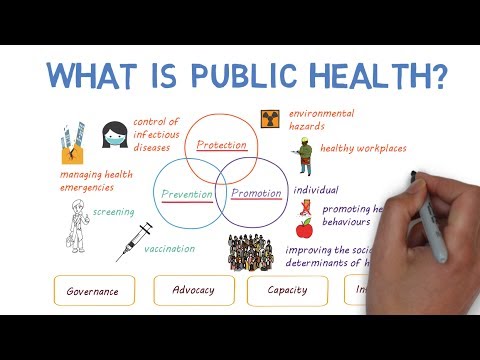
Public health is like the superhero of our society, swooping in to keep communities healthy and thriving. It’s all about looking after the health of a population rather than just individual patients. So, what does it really mean, and how do we integrate science into public health practice for the betterment of community wellness? Let’s break it down.
First off, one key element in public health is surveillance. It’s not as creepy as it sounds! Basically, it means tracking the health status of a community. Think of it as being a detective. You gather information about things like disease outbreaks or vaccination rates to understand what’s going on out there. This allows public health officials to pinpoint where help is needed.
Another biggie is epidemiology. This fancy word basically means studying how diseases spread and how they can be prevented. For example, during flu season, epidemiologists track where and when people are getting sick so they can recommend actions like vaccinations or awareness campaigns to keep everyone safe.
Then there’s health education. This part’s super important because you might have all the data in the world, but if people don’t understand why those numbers matter, it’s kind of useless. Picture this: you remember that time you tried explaining something complicated to a friend? Sometimes it’s tough! Well, that’s where clear communication comes into play. Public health professionals work hard to make sure everyone understands health risks and ways to stay well.
And don’t forget about policy-making. Public health isn’t just about studies and numbers; it’s also about changing laws or regulations that impact community wellness. For instance, creating smoke-free zones helps reduce exposure to secondhand smoke, protecting non-smokers from its harmful effects.
A cool example that I think captures this well is how cities responded during the COVID-19 pandemic. So many communities came together sharing information on social media about washing hands, wearing masks, and getting vaccinated. It’s pretty inspiring when you see how quickly people can rally around science for everyone’s benefit!
Now let’s talk about community participation. When local folks are involved in their own public health strategies—like setting up vaccination clinics or promoting healthy eating—they’re way more likely to engage with those initiatives. It’s like asking for a group project in school; everyone feels more invested when they’re active participants rather than just being told what to do!
Lastly, we’ve got research, which keeps everything evolving. Scientific investigations help us understand emerging threats and effective solutions. So many advancements come from universities studying how different factors affect community health.
So there you have it! The foundations of public health practice involve surveillance for monitoring conditions, epidemiology for understanding disease patterns, effective communication for education purposes, policy-making for structural changes in laws or guidelines, active community participation in initiatives, and ongoing research for continual improvement and adaptation. Each part connects with science at its core—like pieces of a puzzle coming together to create a healthier society overall! Pretty neat stuff!
Advancing Science Through Effective Public Health Communications: The Role of Collaborative Initiatives
When we talk about advancing science through effective public health communications, we’re diving into a world where clear information can literally save lives. Think of it this way: if people understand how to prevent disease, they’re way more likely to take action. This is where collaborative initiatives come in, creating a bridge between scientists, health officials, and the community.
You know what’s crucial? It’s all about teamwork. When organizations pool their resources and expertise, they can craft messages that resonate with the public while staying scientifically accurate. For example, during the pandemic, various health departments teamed up with community leaders to spread accurate info about vaccinations. By using channels familiar to their communities, like local radio stations or social media groups, they helped people feel more connected to the science.
- Building Trust: Collaboration helps build trust between scientists and the public. When health agencies work with local influencers or trusted figures in a community, people are more likely to listen. Imagine your favorite local chef posting about healthy eating habits; you’d probably pay more attention compared to reading a government report!
- Simplifying Complex Info: Science can be super complex—like trying to read Shakespeare while walking backwards! Collaborative initiatives often focus on breaking down these complexities into digestible bits. They might use catchy slogans or eye-catching visuals that make key points stick.
- Feedback Loops: Here’s something cool: when scientists and communicators collaborate closely with communities, they create feedback loops. This means communities can share what works and what doesn’t in real time. If a message isn’t resonating or if misconceptions are spreading, adjustments can be made quickly!
An emotional anecdote comes to mind here. I remember seeing a video of a nurse sharing her experience treating COVID patients while encouraging viewers to get vaccinated. She spoke directly from her heart about the pain of losing patients who could have been saved by vaccination—a moment that humanized scientific facts and made them powerful.
The role of technology should not be overlooked either! Collaborations often leverage digital tools for widespread reach and engagement. Social media campaigns featuring live Q&As with health experts allow for immediate interactions—people can ask questions and get answers fast! This demystifies science and builds public confidence.
Persistent Messaging: But remember, it’s not just one hit wonder messaging! Consistent communication over time reinforces critical health messages until they become part of everyday life.
So yeah, as we see more collaborative initiatives doing their thing in public health communications, we strengthen our society’s ability to respond effectively to health crises—whether it’s flu season or another global pandemic round two. You follow me?
The heart of all this lies in understanding our audience; making sure that communication is accessible and resonates with diverse groups ensures no one is left behind when it comes to vital health information.
If we keep pushing for collaboration between scientists and communicators while keeping the lines open with communities? Well then we can really start changing lives for the better!
So, let’s chat about public health and scientific communication. Honestly, these two areas are like the bread and butter of keeping our communities healthy and informed. Think about it: when you hear about a new vaccine or a health guideline, it’s most likely because someone took the time to communicate those findings clearly and effectively.
A while back, I remember chatting with my neighbor who was worried about getting vaccinated. She was bombarded with mixed messages from social media and even friends who weren’t sure what to believe. It struck me how crucial it is for scientists and public health officials to not only deliver information but also do it in a way that feels relatable and understandable. If people can’t grasp what’s being said, then they might just tune out entirely, which isn’t good for anyone.
Now, when we look at the foundations of public health, we find a bunch of principles that really guide the way we approach wellness in communities. It’s all about prevention—keeping folks healthy before they ever fall sick—and education is right at the core of that mission. It’s like being proactive rather than reactive, you know? The idea is to empower individuals with knowledge so they can make informed choices.
On the flip side, scientific communication sometimes feels like walking a tightrope. You want to present information based on solid evidence but also make sure it resonates with people on a human level. If you just throw around jargon or complex data without context, you’re probably gonna lose your audience pretty quickly! So it’s this delicate balance between accuracy and accessibility.
I feel like during times of crisis—like pandemics—this becomes even more apparent. We saw firsthand how vital clear messaging was during COVID-19. People needed straightforward guidance on wearing masks or understanding social distancing norms without feeling overwhelmed by technical terms.
And let’s not forget about trust! If folks don’t trust what they’re hearing from health officials or scientists, all those well-crafted messages fall flat. Building rapport matters; sharing stories or relatable anecdotes can create connections that simply listing statistics can’t.
In wrapping this all up (not that I’m done thinking about it), it seems clear: effective communication in public health isn’t just nice to have; it’s essential for making real change happen in our communities! So next time someone shares vital health info or research findings, let’s appreciate not only what’s being said but how it’s being shared—it makes all the difference in the end!