You ever sit around a campfire and wonder what happens to all the stuff you toss into the flames? I mean, it’s wild to think about how smoke and ashes can tell us stories, right? Well, that’s kind of what pyrolysis is all about!
Picture this: scientists heating things up until they break down into gas and liquid. It sounds a bit like witchcraft, but it’s just good old chemistry! And when you throw in GC-MS—like, gas chromatography-mass spectrometry—you get these crazy insights into complex materials.
Now, why should you care? Because these advancements are key for understanding everything from pollution to climate change. You see where I’m going with this? There’s a whole world of secrets hidden in what we burn, and pyrolysis GC-MS is helping us uncover them! So grab your marshmallow stick, and let’s dig in!
Advancements in Microplastics Analysis: Utilizing Pyrolysis-GC/MS Techniques in Environmental Science
Microplastics are these tiny bits of plastic that are everywhere today. Seriously, they’re in our oceans, rivers, and even in the air we breathe. It’s a problem because these little particles can harm wildlife and even get into our food chain. So you might be wondering, how do scientists figure out what’s in these microplastics? Well, one of the coolest methods being used is **Pyrolysis-GC/MS**.
What is Pyrolysis-GC/MS?
Okay, so let’s break it down. Pyrolysis is a fancy word for heating something up without oxygen to break it down into smaller parts. The “GC” stands for gas chromatography, which is like a super-sophisticated way to separate different chemicals in a sample. And “MS”? That’s mass spectrometry, which helps identify those chemicals by measuring their mass.
This combo allows researchers to analyze microplastics in detail. They heat the plastics and then separate and identify the resulting compounds. Sounds complex? It kinda is! But think of it as taking apart a LEGO structure piece by piece to see what colors and shapes you have.
Why is this important?
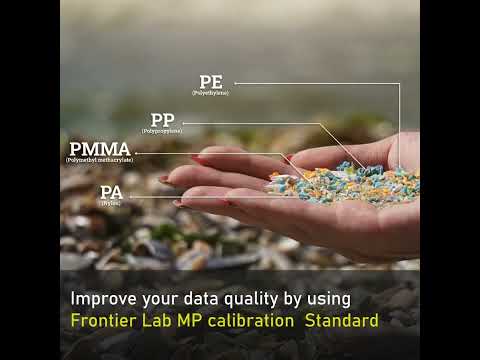
Microplastics are usually made from various types of plastics like polyethylene or polypropylene. Each type has its own unique chemical fingerprint. Using pyrolysis-GC/MS offers scientists a way to:
- Identify different types of plastics: By analyzing the breakdown products, researchers can tell precisely what kind of plastic they’re dealing with.
- You track sources: Knowing where these microplastics come from helps target pollution sources better.
- Study how they interact: Understanding how microplastics behave in our environment gives insight into their long-term effects on nature.
A real-world example
Imagine you’re at a beach full of beautiful waves and sun—but also littered with tiny bits of plastic! Scientists collected samples from this beach and used pyrolysis-GC/MS to analyze them. They discovered not just common plastics but also unexpected materials — stuff like fibers from clothing! This info was crucial because it pointed out that washing clothes could be contributing to ocean pollution.
The advancements
So here’s where things get really exciting: recent advancements have made pyrolysis-GC/MS even better for environmental research. Newer machines can analyze smaller samples faster and more accurately than before. This means researchers can study more sites and gather more data without spending ages in the lab.
Another neat thing? Improved software now helps interpret results more efficiently. Instead of guessing what each peak on a graph means (which used to be kind of like reading tea leaves), scientists can rely on algorithms that provide more clarity.
When you think about it, all these advancements are really helping us understand the extent of microplastic pollution much better than ever before. With every new finding, we get closer to tackling this serious environmental issue head-on!
To sum up—Pyrolysis-GC/MS techniques are game-changers for analyzing microplastics in our environment. The combination of breaking them down effectively and figuring out their origins gives us powerful tools against plastic pollution! And hey, each little step counts when it comes to protecting our planet!
Exploring the Successes and Future Potential of Pyrolysis GC-MS in Analyzing Plastic Pollution
So, let’s talk about pyrolysis GC-MS, or Gas Chromatography-Mass Spectrometry. It sounds complicated, but once you break it down, it’s pretty cool. Basically, this method is becoming a super handy tool for tackling plastic pollution. And guess what? It’s bringing some amazing success stories along with it!
To start with, pyrolysis is like cooking plastic at high temperatures without oxygen. This breaks the plastic down into smaller molecules—kinda like how you chop onions for a salad! The resulting gases and oils can then be analyzed using GC-MS. Here’s where the magic happens: GC separates these tiny molecules based on their size and structure, while MS identifies them by their mass. Together, they give us a detailed peek at what kind of plastics are littering our environment.
- Identification of Plastic Types: One major success of pyrolysis GC-MS is its ability to determine different types of plastics in a sample. For instance, if you pull out a plastic bottle from the ocean, this technology can help identify if it’s PET (you know, that’s used for water bottles) or something else entirely.
- Quantification: Not only can it identify plastics, but it can also quantify how much of each type is present. Like when you weigh ingredients for baking cookies—you get to know exactly what you’re dealing with! This helps researchers understand the scale of pollution in various environments.
- Tracking Sources: Another cool aspect? It helps trace back where the plastics are coming from! By analyzing specific markers in the plastics using this method, scientists can figure out if they’re from landfills or directly from consumer products.
Now imagine being on a beach and seeing piles of trash. Using pyrolysis GC-MS means we could start pinpointing hotspots for certain types of plastic waste and create targeted cleanup plans instead of just cleaning up randomly.
The future potential looks even brighter! With ongoing advancements in this field:
- More Comprehensive Data: As methods improve, we’ll get even more detailed data. Imagine mapping out all the different types and quantities of plastic across an entire coastline—now that would be powerful!
- Sustainability Insights: Besides just identifying pollution sources, researchers could use this technique to analyze how effective remediation strategies are over time.
- Interdisciplinary Collaboration: You’ll likely see more collaboration between chemists and environmental scientists. Combining forces means richer insights into our ecosystems and more effective solutions.
I remember once hearing about an initiative where local communities used simple waste collection methods combined with scientific insights from pyrolysis GC-MS to clean up beaches effectively. The transformation was staggering!
So yeah, pyrolysis GC-MS isn’t just some technical fancy term—it’s bridging gaps between science and real-world applications in understanding plastic pollution better than ever before! And as we continue to hone this technique? Well, let’s just say we’ll be armed with powerful tools to fight back against one of modern society’s biggest challenges: plastic waste.
Simultaneous Detection of Six Common Microplastics Using Domestic Pyrolytic GC-MS: A Novel Approach in Environmental Science
So, let’s talk about microplastics, shall we? These little buggers are tiny plastic particles that have become a big deal in environmental science. You might find them in everything from your favorite bottled drinks to the fish you enjoy for dinner. They’re everywhere!
Now, when we say “simultaneous detection of six common microplastics,” it means scientists can identify multiple types of these plastics all at once. That’s like finding different flavors of ice cream in one scoop instead of having to dig through each tub separately. Makes things easier, right?
One exciting method used for this detection is called pyrolytic Gas Chromatography-Mass Spectrometry (GC-MS). It sounds technical, but stick with me! Pyrolysis is a fancy term for heating something up without oxygen to break it down. So, in this case, the microplastics are heated until they break into smaller pieces—think of it like cooking spaghetti until it’s soft and edible.
The heated bits then get analyzed with gas chromatography. This part separates the different compounds based on how they move through a column filled with something that causes them to behave differently. Kind of like how you’d separate different colored beads by rolling them down a sloped surface – some roll faster than others!
After separation comes the mass spectrometry part. This helps figure out what those separated bits are made of by measuring their mass and charge. It’s almost like weighing your packed lunch on a scale to find out how much food you’ve got!
Now, why should you care about all this? Well, using pyrolytic GC-MS to detect microplastics is pretty innovative for a few reasons:
- Efficiency: Detecting multiple microplastics at once saves time and resources.
- Precision: It provides accurate data about the types and quantities present.
- Simplicity: The method can be adapted for use outside labs, making it more accessible.
Imagine sitting at home and being able to test your water sample for those pesky plastics using just some household equipment!
But there’s more to it than just convenience. Microplastics pose serious risks to wildlife and even human health due to their ability to absorb harmful chemicals and toxins from the environment. Understanding where they come from helps us tackle pollution effectively.
Here’s something interesting: research shows that even fish in deep-sea trenches have been found with microplastics in their guts! That tells you how pervasive these materials have become—and why we need good detection methods.
In summary, pyrolytic GC-MS marks an exciting step forward in environmental research by enabling simultaneous detection of various common microplastics right from your own domestic setup. With tools getting better every day, we might just gain an edge against pollution if we stay curious and keep pushing for solutions!
You know, science has a funny way of surprising you. Take pyrolysis GC-MS, for example. It sounds super technical and heavy, right? But it’s pretty cool when you break it down. Basically, pyrolysis is a process that heats up organic material to decompose it without oxygen. So, when you pair that with gas chromatography-mass spectrometry (GC-MS) – which is a method used to analyze what’s in that stuff – you get a powerful tool for understanding our environment.
I remember the first time I stumbled upon this technique while chatting with a friend who was knee-deep in environmental research. They were excited about how pyrolysis GC-MS could help identify pollutants in soil and water samples. It was like unlocking a treasure chest of information hidden in the depths of our environment! It made me think about all the tiny particles and chemicals swirling around us every day, many of which we can’t even see.
What’s neat is how this tech keeps evolving. The advancements in pyrolysis GC-MS are really making waves. Researchers can now analyze complex mixtures faster and more accurately than ever before. The precision allows scientists to detect trace levels of contaminants that could be harmful to ecosystems. Imagine being able to pinpoint the exact source of pollution! That means better strategies for remediation and protecting our planet.
But here’s the thing: there are always challenges when new technologies come into play. Not everyone can access this high-tech stuff, especially in developing regions where environmental issues often hit hardest. This toughens my heart! You want everyone to have the tools they need to tackle pollution effectively.
Still, seeing scientists get creative with these advancements does bring hope. They’re finding ways to use them not just for research but also in practical applications like waste management or assessing climate change impact on ecosystems.
In thinking about it all, I realize how interconnected we are with our environment—like a giant web where everything affects everything else. And thanks to advancements in techniques like pyrolysis GC-MS, we’re getting better at understanding those links, which is pretty uplifting if you ask me!