So, picture this: you’re sitting at a dinner party, and someone starts talking about nuclear reactors. Everyone’s eyes glaze over, right? But wait! What if I told you that reactor engineering is kind of like cooking—mixing ingredients just the right way to create something powerful?
Seriously, it’s all about balance and reactions. In fact, advancements in reactor engineering are making waves (pun intended) not only in energy production but also in how we connect science to everyday folks.
It’s wild how much we rely on these technologies. And yet, for most people, it still feels like rocket science—like something straight out of a movie. But don’t worry! I’m here to break it down for you.
Let’s uncover some cool stuff about how reactors work now and why understanding them can really matter. Buckle up!
Revolutionizing Energy: Breakthroughs in New Reactor Technology within Scientific Research
So, energy! It’s like the lifeblood of our modern world, right? As we move through this crazy era of climate change and dwindling fossil fuels, scientists are on a quest to find cleaner, safer ways to generate power. Reactor technology has come a long way and is making waves. Let’s break it down a bit.
New Reactor Designs are popping up everywhere. We’re not just talking about the old-school nuclear reactors that people often fear. There’s this buzz about **small modular reactors (SMRs)**. They can be built in factories and transported to sites, which is super cool because it reduces construction risks and costs. They’re also designed with safety in mind—like, they can shut themselves down automatically if things go south!
Another piece of the puzzle is advanced reactor designs. These include high-temperature gas-cooled reactors and liquid metal-cooled reactors. These bad boys can operate at much higher temperatures than traditional ones. That means more efficiency! So instead of just using some heat to turn water into steam, they can harness even more from their fuel.
Fusion Energy is another exciting frontier! It’s like trying to replicate the sun here on Earth. Fusion could provide practically limitless energy with minimal environmental impact. We’ve got projects like ITER in France that aim to make this a reality soon enough—it’s basically building the sun in a giant reactor.
The thing you should know is that sustainability is at the heart of these developments. Imagine buildings powered entirely by clean energy—sounds dreamy, right? Scientists are tweaking reactor engineering so they can run on fuels that produce less waste or even burn existing nuclear waste as fuel! Pretty genius if you ask me!
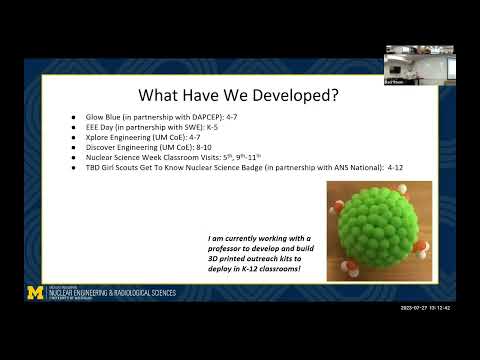
And don’t forget about scientific outreach. It plays a massive role too! Educating the public about these advancements helps demystify nuclear energy and fights against misconceptions. When we share knowledge about how safe and effective these new technologies can be, it builds community support for clean energy initiatives.
Also, while there’s tons of potential here, challenges remain—like regulatory hurdles that can slow down innovation or public fear surrounding any kind of nuclear technology. But hey, one step at a time!
- Innovative designs: SMRs aim for factory-built efficiency.
- Sustainable practices: Utilizing advanced fuels minimizes waste.
- Fusion energy: Trying to harness star power.
- Importance of outreach: Educating folks fosters acceptance.
So yeah, as technology evolves, there’s hope for cleaner energy options! There’s already so much happening in reactor innovation that promises to make a difference in how we power our lives moving forward. Exciting times ahead!
Advancements in Nuclear Reactor Technology: Exploring the Latest Innovations in Energy Science
Nuclear reactor technology has come a long way recently. Seriously, it’s like watching a teenager grow up – there’s so much happening, and it can be exciting! Let’s break down some of the latest advancements that are shaking up the energy scene.
Small Modular Reactors (SMRs) are all the rage right now. These guys are designed to be compact and factory-built, which makes them easier to transport and set up. Think of them as the Lego version of nuclear reactors. You can add more units as demand grows without needing a giant facility from day one. They’re also considered safer because they operate at lower pressures, reducing the risk of catastrophic failures.
Then you have Gen IV reactors, which are all about sustainability and efficiency. These reactors aim to use fuel more effectively and produce less waste. Some designs even imagine recycling their own spent fuel! It’s like turning your leftovers into a gourmet meal again – how cool is that? The goal is not just to generate energy but to do it in a way that keeps our planet healthy.
And let’s not skip over advanced cooling systems. Traditionally, reactors relied on water for cooling, but new innovations involve using gases or even liquid metals. This can lead to better heat transfer and efficiency because who wants hot coffee when you can have it steaming? Using materials that can withstand higher temperatures also allows these reactors to run at higher efficiencies.
Another exciting trend is digital twin technology. Picture having a virtual copy of your reactor running on your computer, simulating every function in real-time. Engineers can test ideas without ever turning on the reactor itself! It’s like having a flight simulator for pilots but for reactors instead. This could save tons of resources while enhancing safety protocols.
Now, speaking of safety, there are advancements in safety protocols too! For instance, passive safety systems rely on natural forces instead of human intervention or power sources to keep things in check during emergencies. Imagine if your car could brake itself if you dozed off while driving; that’s pretty much how these reactors aim for safety!
Yet with all this awesome tech comes the need for good communication about what these advancements mean for energy production and environmental impact. People may still remember Chernobyl or Fukushima and feel uneasy about nuclear power. So, educational outreach becomes key here—making sure folks understand just how far we’ve come since those days.
In short, nuclear reactor technology is innovating at an impressive pace with
,
,
,
, and
. Each one brings us closer to safer and more efficient energy production while addressing some major concerns about waste and environment impact. And isn’t that something worth discussing?
Nuclear Engineering Salary Insights: Exploring Earnings in the Field of Science
Nuclear engineering is one of those fascinating fields that combines science, technology, and a bit of that superhero vibe. You know, helping to create energy from atoms and all that? But let’s talk numbers because, hey, that’s what we’re really after when considering a career in this area.
First off, if you’re entering the world of nuclear engineering, you might be curious about salary expectations. According to recent data, the average salary for a nuclear engineer in the U.S. hovers around $120,000 per year. Pretty solid, right? But not everyone starts there; entry-level positions can kick off at around $70,000. So there’s room to grow!
Now let’s break this down a bit more:
- Entry-Level Positions: Fresh graduates typically earn between $65,000 to $80,000.
- Mid-Career Engineers: With experience—say around five to ten years—you could see salaries rise to about $100,000 or more.
- Senior Roles: If you get into management or specialized fields like reactor engineering, salaries can climb over $150,000 easily!
One thing to keep in mind is where you work. Those big companies in the energy sector or government jobs often pay better than academic positions. For instance, working for organizations like the U.S. Department of Energy could offer some pretty sweet benefits along with decent pay.
And speaking of benefits—nuclear engineers aren’t just banking on their paychecks alone! Many roles come with perks like health insurance and retirement plans. Seriously worth considering when weighing your options.
Now let’s talk about how advancements in reactor engineering can actually influence these earnings! With ongoing developments in safer nuclear technologies and sustainable designs gaining traction—like small modular reactors—the demand for skilled engineers is ramping up. More projects mean more jobs and potentially higher wages as companies vie for top talent.
You know what’s also cool? Outreach programs are growing too. These help bridge the gap between complex scientific concepts and the public’s understanding of nuclear technology. As these initiatives expand—reaching schools or community events—it raises overall awareness and interest in the field which can lead to better funding and salary potential for professionals involved.
So in short: While starting salaries might not blow your socks off right away especially as a newbie; with experience under your belt—or stepping into specialized areas—the opportunities are bright—and they just keep getting brighter!
When you think about the world of science, it’s pretty wild how far we’ve come, especially with something as crucial as reactor engineering. I mean, just a few decades ago, we were dealing with some pretty basic nuclear technology. Now, it feels like we’re living in the future with advancements that, honestly, could change everything.
So, what’s the deal with reactor engineering? Simply put, it’s all about designing and improving the gadgets that help us safely generate energy through nuclear reactions. And here’s where things get super interesting—these advancements aren’t just for scientists in lab coats anymore; they’re reaching out to everyday folks like you and me.
I remember once going to a community meeting about a new reactor project in my hometown. The scientists were so passionate! They explained how modern reactors are way safer and more efficient than those old-school models. They even had models to show us how they worked—all these cool visuals made it so much easier to understand! It was like being in a science fair but with real-life implications for energy and sustainability.
But, here’s the thing: with great power comes great responsibility. As these projects roll out, public engagement is key. You’ve got to communicate not just the benefits but also the safety measures being put into place. People need to feel informed and included; it builds trust that sometimes feels lacking in scientific discussions.
The outreach aspect really gets me excited too! With social media and online platforms booming, scientists now have fresh ways to share discoveries—think cool videos explaining complex concepts or engaging podcasts discussing current trends in nuclear tech. This helps demystify what goes on behind closed doors at nuclear facilities. Seriously—it’s like taking down those walls of fear and misunderstanding one post at a time.
And let’s not forget education! Schools are starting to incorporate reactor science into their curriculums—can you imagine learning about fission or fusion while still trying to master long division? It sounds tough but super important for the next generation of thinkers who will shape our energy policies.
So yeah, advancements in reactor engineering aren’t just technical feats—they’re part of a broader conversation about our future. By making this info accessible and approachable through outreach programs, we can create a more informed public eager to engage with science rather than shy away from it because it’s “too complicated.” It’s exciting stuff! We really do have a chance here to bridge that gap between scientists and society.