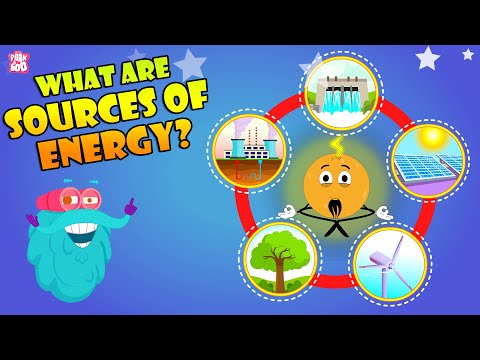
You know that feeling when you’re at a party and someone starts talking about energy sources? Like, wow, talk about a snooze fest! But hang on—energy is actually super interesting.
Imagine this: you’re sitting in your living room, binge-watching your favorite show, and suddenly, the power goes out. Total buzzkill! The lights go off, and you’re left in the dark. Ever wonder what really keeps all that electricity flowing?
You’ve got two teams in this game: renewable and nonrenewable energy sources. One is like that reliable friend who always shows up, while the other is a bit more… well, complicated.
Let’s break it down together. It’ll be fun, I promise!
Exploring Renewable and Nonrenewable Resources: 5 Key Examples in Environmental Science
Renewable and nonrenewable resources are two sides of the same coin when we talk about energy and the environment. Let’s break them down, shall we?
First off, renewable resources are basically energy sources that can be replenished naturally. They’re like the friends who always come back when you need them. Think about it: if you use sunlight to power your home, that sun isn’t going anywhere! Here are some key examples:
- Solar Energy: This is energy harnessed from the sun using solar panels. It’s powerful and, most importantly, sustainable. You can’t run out of sunshine as long as the sun’s shining!
- Wind Energy: Captured using wind turbines, this type of energy is clean and available in many places worldwide. You know those big windmills you see standing tall in fields? They’re working hard to convert wind into electricity!
- Hydropower: By using water flow from rivers or dams, we can generate a lot of electricity without burning fuel. It’s like having a giant battery filled with moving water.
- Biomass: Organic materials like wood or crop waste can be turned into energy through processes like burning or fermentation. It’s recycling at its best!
- Geothermal Energy: This one comes from beneath our feet! The Earth holds heat that can be tapped for energy—think hot springs providing power instead of just comfort.
These resources are essential for reducing greenhouse gas emissions and fighting climate change. Plus, they create jobs in technology and infrastructure.
Now let’s flip to nonrenewable resources. These guys are the opposite; they take millions of years to form and once we use them up, that’s pretty much it. Imagine a snack bag that only has a few chips left—they’re going fast! Here are some examples:
- Fossil Fuels: Coal, oil, and natural gas are all derived from ancient plants and animals buried for eons under layers of rock. They provide most of our current energy but cause pollution while being consumed.
- Nuclear Energy: This comes from uranium atoms undergoing fission (splitting), releasing tons of heat used to create electricity. While powerful and efficient, nuclear waste disposal remains a tricky issue.
- Limestone: Often overlooked as an energy source—it’s used in cement production—a critical component for buildings where people live and work.
- Copper: While not an energy source per se, copper is essential in electrical wiring for our homes and industries. Mining it uses nonrenewable energies too!
- Potash: A type of fertilizer derived from evaporated sea water deposits that enhances agricultural yield but isn’t infinite.
Nonrenewable resources pose challenges because they contribute to environmental problems like air pollution, oil spills, or habitat destruction.
Now here’s where it gets emotional—you know those moments when you see a beautiful sunset over clean waters or breathe fresh air on a hike? That feeling connects us deeply with nature. Our reliance on renewable resources helps preserve those moments for future generations.
So there you have it! Understanding these resources allows us to make informed choices about how we power our lives while keeping our planet healthy. Remember: every little bit counts towards creating a sustainable future!
Exploring Earth’s Renewable and Nonrenewable Resources: A Comprehensive Overview in Earth Sciences
Sure! So let’s have a chat about **Earth’s renewable** and **nonrenewable resources**. This stuff matters a lot, not just for scientists but for everyone living on this big ol’ planet we call home.
First off, what are these resources? Well, pretty much everything you use comes from the Earth. Resources are basically materials or substances we take from the environment to produce energy or make stuff we need. Now, they can be split into two big categories: renewable and nonrenewable.
Renewable resources are like that friend who never runs out of energy. They can be replenished naturally over time. Think of things like:
- Solar energy: The sun shines every day—well, most days—and we can harness that light to create electricity.
- Wind energy: Ever seen those big wind turbines? They convert wind into power, and the wind just keeps on blowing.
- Hydropower: Water flowing in rivers or dams can generate energy. It’s like nature’s own water wheel.
- Biomass: This includes organic materials like plants and animal waste that can provide fuel or heat.
Now, there’s something kinda exciting about renewable resources: they help us reduce pollution and combat climate change. Like when I once saw a local community switch to solar panels; everyone was happy with lower bills and cleaner air!
On the flip side, we have nonrenewable resources. These are more like your favorite ice cream—once it’s gone, it’s really gone! They can’t be replenished quickly enough to keep up with our consumption. Some examples include:
- Fossil fuels: Coal, oil, and natural gas come from ancient plants and animals that got buried over millions of years. We dig them up for energy but burn them releases carbon dioxide back into the atmosphere.
- Nuclear energy: This relies on uranium and other minerals found in the Earth. It provides huge amounts of power but at the cost of radioactive waste.
The problem with nonrenewable resources is their environmental impact. You know when you spill something sticky at a party? That mess is kind of what happens when we extract these fuels—oil spills damage oceans while burning fossil fuels contributes to smog in cities.
So here’s the deal: as you might gather from all this info, balancing our use of renewable versus nonrenewable resources is super important for sustainability. We’ve gotta think ahead about how we’re using these Earth gifts because if we’re not careful… well, let’s just say future generations might not have it so easy.
Remember that community I mentioned earlier? They’re part of a growing trend moving towards renewables while reducing reliance on things like coal or oil—a small step toward a greener future!
So yeah, understanding both kinds of resources helps us make smarter choices about how we live today without compromising tomorrow’s planet. And that’s something everyone should care about!
Exploring 15 Key Examples of Renewable Resources in Scientific Research
Renewable resources are like nature’s way of giving us a second chance. You know, energy sources that can be replenished naturally over time. Let’s talk about some key examples of renewable resources, particularly in scientific research. I mean, these are the kind of tools we’re using to tackle some of the biggest challenges we face today.
Solar Energy is probably what you think of first. It’s all about harnessing sunlight to generate electricity or heat. You’ve seen those shiny solar panels on rooftops, right? Researchers are constantly innovating ways to make solar cells more efficient, even experimenting with materials like perovskite crystals.
Then there’s wind energy. You know those huge wind turbines you see in fields? They convert wind movement into power. Scientists are working on optimizing turbine designs and finding better spots for wind farms to maximize energy output.
Hydropower is another biggie. It utilizes flowing water—think rivers or dams—to generate electricity. Researchers are diving deep into how we can reduce the environmental impacts of hydropower while still benefiting from its renewable nature.
Next up is biodiesel. It’s fuel made from vegetable oils or animal fats. Some researchers are busy looking at how we can create biodiesel from algae, which could be a game-changer since algae grows faster and requires less land than traditional crops.
Another cool one is geothermal energy. This taps into heat stored beneath the Earth’s surface. Basically, scientists drill down to access steam or hot water that comes from volcanic activity or hot springs to produce power.
Then there’s wave energy. This one might feel a bit futuristic—it’s all about capturing energy from ocean waves. Researchers are testing various technologies to find ways to harness this powerful force without harming marine life.
Are you familiar with biomass? It includes organic materials like wood, agricultural crops, and waste that can be burned for heat or converted into biofuels. Scientists explore efficient ways to use biomass while ensuring it doesn’t lead to deforestation or habitat loss.
We shouldn’t forget about Tidal Energy, either! This form uses the rise and fall of tides to generate electricity—pretty neat! Researchers are investigating how turbines could be placed underwater without disturbing aquatic ecosystems.
Moving on to Corn Ethanol, it’s produced by fermenting corn sugars. While it’s a popular renewable resource in some countries, especially in the U.S., there’s ongoing research about its efficiency compared to other alternatives like cellulosic ethanol derived from plant fibers.
Now let’s talk about Hydrogen Fuel Cells. These cells convert hydrogen gas into electricity through a chemical reaction with oxygen and produce only water as a byproduct—how cool is that? Scientists are working hard on making hydrogen production more sustainable so we can use it widely in transportation.
Another exciting area is Kinetic Energy Harvesting. You know when you walk? Your movement creates kinetic energy! There’re researchers developing devices that capture this energy from our everyday actions—imagine powering your phone just by walking around!
Thermal Energy Storage captures excess heat generated by renewable sources for later use—you know when they store up heat during sunny days for cloudy times? It’s all part of balancing supply and demand efficiently!
Now let’s get real for a second: while all these renewables sound amazing—and they really are—they aren’t without their challenges. That’s why ongoing research is crucial—it helps us figure out how best we can integrate these resources into our daily lives without compromising ecosystems or future needs.
Lastly, don’t forget about Sustainable Agriculture Practices! It’s not just about growing food; it also involves producing bioenergy responsibly while maintaining soil health and biodiversity—the kind of stuff scientists get excited over!
So yeah, renewable resources hold great promise for our planet! By continually researching and innovating within these areas, we’re moving towards a cleaner future where we respect nature—and that’s something worth striving for!
You know, when I think about energy, it’s like peeking into a treasure chest, but one side is filled with shiny gems that can last forever, while the other is packed with stuff that’ll run out sooner than we’d like. It’s kind of wild how much we rely on energy for everything—like, from charging your phone to keeping your fridge running.
So, let’s chat about renewable energy first. This stuff is magical! Think wind, sun, and water—like nature’s very own power sources. I remember visiting a wind farm a few years back. Just standing there surrounded by those giant turbines swaying in the breeze made me feel like I was witnessing some superhero tech in action. It’s cool to think that while nature keeps spinning and shining, we can harness all that power without emptying our planet’s savings account.
Now, flip the coin to nonrenewable energy resources—like coal and oil. They’re convenient but kinda sketchy if you ask me. Using them feels like feasting on a cake with no idea if it’s gonna run out or spoil soon. Those fossil fuels might be doing just fine right now in powering our cars and homes but they release greenhouse gases which are bad for our planet’s health. Plus, they take millions of years to form! Honestly? That sounds pretty unsustainable.
There’s something very real about this dichotomy when you consider how they affect our lives today and tomorrow. It’s not just numbers or charts; it’s about our communities and future generations too! When I sit down with friends over coffee (or tea!), we often find ourselves wondering what kind of world we’ll leave behind someday. Will it be one thriving on clean energy or struggling under pollution? It makes you ponder the choices we make today.
Anyway, every time I see solar panels glistening or hear the whoosh of wind turbines turning away, I get this little spark of hope—I mean if we can channel Mother Nature’s power wisely, maybe we can protect her too! Balancing both types of energy feels like walking a tightrope; tricky but necessary if we want to keep this beautiful planet habitable for everyone.
So yeah—renewable vs. nonrenewable isn’t just a science debate; it’s actually about taking care of each other and our home sweet home Earth. And who wouldn’t want that?