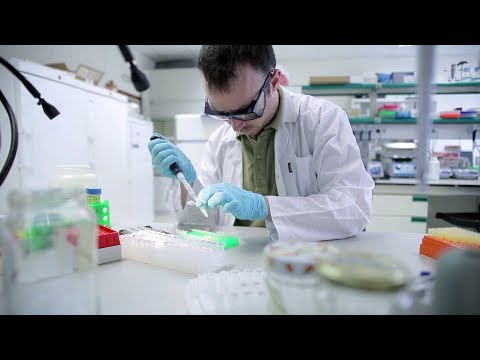
You know how sometimes you’re at a party, and someone drops a mind-blowing fact that leaves you speechless? Like, did you know that the human genome is made up of about 3 billion base pairs? Seriously, that’s a lot of info packed into each of us!
Well, sequencing companies are like the DJs of the genetic world. They’re spinning those base pairs into something we can actually understand. Pretty cool, right?
But it’s not just about the tech and the science; it’s also about how these companies share their discoveries with us regular folks. Some are nailing their outreach game while others… well, let’s say they could use a little help.
So let’s chat about who’s shaking things up in sequencing and making science feel a bit more accessible. You with me?
Exploring the Latest Advancements in Sequencing Technology: A Deep Dive into Cutting-Edge Scientific Innovations
So, sequencing technology. It’s like the superhero of modern science, playing a huge role in genetics, medicine, and even agriculture. You might’ve heard about it in relation to things like the Human Genome Project or personalized medicine. But let’s break it down and explore what’s been happening lately in this field.
First off, let me just say that sequencing is basically how we read DNA. Think of it like reading a cookbook, where each recipe tells you how to make something unique. The letters A, T, C, and G are like the ingredients you mix to create life. The more accurately we can read that cookbook, the better we understand what makes each organism tick.
Next-Generation Sequencing (NGS) has revolutionized this process. Compared to older methods that took forever (like months or even years!), NGS can read entire genomes in just a few days. It’s like switching from a dial-up connection to high-speed internet—super quick! Companies have been pushing the envelope with new technologies that make these processes even cheaper and faster.
For example, imagine sequencing an entire genome for less than a hundred bucks instead of thousands! This is becoming more common thanks to advancements in microfluidics and nanopore sequencing. Microfluidics is all about manipulating tiny amounts of liquids—think of tiny rivers flowing on a chip. Nanopore sequencing lets scientists read DNA strands like data streaming through a wire. It’s cool stuff!
Real-time data analysis is another exciting trend today. Instead of waiting weeks for results to come back from the lab, now scientists can analyze DNA as it’s being sequenced! It’s kinda like watching your favorite show but instead of waiting for each episode weekly, you get them streamed live! This keeps researchers on their toes because they can adapt their experiments as they go.
Now let’s talk about applications. One area seeing rapid growth is personalized medicine. By understanding your genetic makeup better than ever before, doctors can tailor treatments just for you. Imagine getting medication specifically designed for your body chemistry—that could really change how we handle diseases!
Another fascinating application? Detecting diseases earlier or at least keeping tabs on them using liquid biopsies—basically checking your blood for signs of problems before they get serious. The real kicker? Sequencing technology makes this possible!
Finally, outreach plays a key role here too. As these innovations emerge, companies are working hard to spread the word—using social media campaigns or educational programs—to help everyone understand these cool advancements and their potential benefits.
In summary:
- Next-Generation Sequencing (NGS): Fast track from weeks to days.
- Microfluidics & Nanopore Sequencing: Tiny tech transforming huge possibilities.
- Real-Time Data Analysis: No more waiting; adapt as you go!
- Personalized Medicine: Treatments made just for you!
- Liquid Biopsies: Catching issues earlier.
- Scientific Outreach: Sharing knowledge is key!
It’s honestly pretty wild how fast things are moving in this field! When I hear scientists talking excitedly about what’s coming next… I can’t help but feel pumped too! Each advancement isn’t just techy jargon; it paves the way for real-world change that could touch everyone someday soon! So keep an eye out—it’s an amazing time for science right now!
Exploring Sequencing Technologies: Key Innovations Behind the Human Genome Project
The Human Genome Project (HGP) was a massive scientific feat. It basically set out to map the entire human DNA sequence, which is like figuring out the ultimate instruction manual for what makes us human. The thing is, this project wouldn’t have been possible without some seriously cool innovations in sequencing technologies.
First off, let’s talk about the early methods. Back in the day, the most common way to sequence DNA was something called Sanger sequencing. This technique works sort of like a copycat game; it involves making multiple copies of the DNA fragment and then figuring out the order of bases, those little building blocks that make up our genetic code. It was revolutionary but also pretty slow and costly.
Then came a wave of new technologies known as **next-generation sequencing (NGS)**. Unlike Sanger’s method, NGS allows researchers to sequence millions of fragments at once! Can you imagine that? It’s like turning on all the taps at once instead of letting just one drop at a time. This approach significantly sped up the process and cut costs massively.
Some key players in this field have really pushed boundaries. Companies like Illumina have made great advancements with their innovative platforms that keep evolving every year. Their sequencers are now capable of generating terabytes of data in just hours! So basically, what took years can now be done in days or even hours—pretty mind-blowing if you ask me.
But wait, there’s more! Third-generation sequencing technologies are surfacing too! These methods can read longer sequences without having to chop them up first. One such technology is **Pacific Biosciences**’ system, which can provide super long reads and better accuracy over complex areas of genomes where things get tricky.
So why does all this matter? Well, these innovations have led us not only to understand our own genetic makeup but also opened doors for personalized medicine. Imagine getting medical treatments tailored just for your unique DNA! That’s where it gets exciting!
But here’s another twist: scientific outreach plays a huge role too! As these companies develop next-gen platforms and more innovative techniques, they also work hard to communicate their findings and educate people about genomics’ impact on health and society.
In summary, sequencing technologies have evolved tremendously since the days of the Human Genome Project through Sanger sequencing to next-gen platforms and beyond. Each innovation has brought us closer to understanding our biology while paving paths for potential medical breakthroughs.
We’re living in an exciting time where science isn’t just confined to laboratories; it’s becoming part of our everyday lives! And honestly? That’s something pretty cool to think about as we move forward together into this genomic era.
Leading Innovations in Sequencing Technologies: A Comprehensive Overview of Companies and Their Scientific Outreach Efforts
Well, when we’re talking about sequencing technologies, we’re diving into an exciting area of science that’s all about decoding DNA. Seriously, it’s like reading the instruction manual for life itself! Companies are racing to develop new techniques, and their efforts can have huge implications in medicine, agriculture, and even conservation. Let’s break this down.
First off, let’s talk about next-generation sequencing (NGS). It’s a game-changer. Basically, NGS allows scientists to sequence entire genomes much faster and cheaper than ever before. Companies like Illumina and Thermo Fisher Scientific are right at the forefront of this technology. They’ve made it possible for researchers to get quick insights into genetic diseases or the potential of a new drug by sequencing DNA in real time.
Now, you might be wondering—what about single-cell sequencing? It’s pretty cool because it allows us to look at individual cells rather than bulk samples. This is where companies like 10x Genomics come in. Their technology is helping researchers understand things like cancer evolution or how different cells in your body interact with each other. It’s like peeking into the cellular world!
Then there’s long-read sequencing, championed by companies like Pacific Biosciences and Oxford Nanopore. These guys focus on reading longer strings of DNA. Why does that matter? Well, think of it as being able to read sentences instead of just words—it gives you way more context! This can help scientists piece together complex genomes or understand structural variants that may be linked to diseases.
Scientific outreach is also crucial here. It’s not just about fancy machines; it’s also about sharing knowledge with everybody—from researchers to the general public.
- Educational programs: Many companies run workshops or seminars to explain how their technologies work.
- Open access data: Some firms provide free access to datasets for educational purposes so that students and young scientists can learn from real-life applications.
- Partnerships: Collaborations with universities help bridge the gap between industry and academia.
I remember attending a community science fair where a local university set up a booth demonstrating NGS technology using simple models and hands-on activities for kids! The excitement on those young faces when they understood how DNA sequencing works—wow!
All this innovation doesn’t just pop up outta nowhere; it needs support from both communities and funding sources alike. Plus, as these companies roll out new technologies, they often face challenges related to ethics and privacy concerning genetic information. That’s why some organizations take an active role in discussing these matters openly with the public.
In conclusion—or whatever you call it—the landscape of sequencing technologies is rich with promise thanks to various innovative companies pushing boundaries every day while also making sure everyone understands what all this means for us as a society! It’s thrilling stuff that could redefine healthcare as we know it—so keep your eyes peeled; there’s plenty more coming our way!
So, let’s talk about sequencing companies. Seriously, these folks are doing some pretty mind-blowing stuff in genetics. Just think about it: a few decades ago, we barely understood the human genome. Now, we can sequence it faster than ever! It’s like having a secret code to life… and just so you know, these innovations are not just in labs; they’re reaching out to us everyday people too.
I remember when I first heard about direct-to-consumer DNA tests. My friend sent me her results from one of those companies. She was super excited, telling me she found out she had ancestry ties to Scotland and some obscure tribe in Africa. It felt like she had stumbled onto a treasure map of her own family history! That’s the thing, isn’t it? Genetics isn’t just some dry science; it’s personal.
But innovation doesn’t just stop at giving us fun facts about our ancestry or health risks. Companies have been stepping up their game with scientific outreach as well. They’ve started doing webinars and social media outreach to explain what sequencing is all about—making it accessible and engaging for everyone. It’s kind of refreshing to see scientists breaking down those complex terms into something that makes sense over coffee chats or through lively TikTok videos.
What’s really interesting is how these companies are pushing for more transparency too. They’re talking about ethical concerns—like how they use your data and the importance of consent—and that’s huge! You know? We live in an age where data privacy feels like a pressing issue, so making sure people understand what they’re getting into with sequencing is crucial.
In all honesty, though, sometimes it feels overwhelming with all this information flying around us. Like, what’s next? Personalized medicine based on your genetic makeup? That’s some sci-fi territory! But then again, if they keep up with this vibe of openness and curiosity-driven learning, who knows where it might take us?
It’s exciting to think that today’s innovations in sequencing aren’t just changing science; they’re reshaping how we view ourselves as individuals within the broader tapestry of humanity. And yeah, as someone who can get caught up in the complexities of science at times, I find comfort knowing there are folks out there willing to make things clearer and more relevant for everyone. You follow me? It’s kind of cool how science can feel so personal when it’s done right!