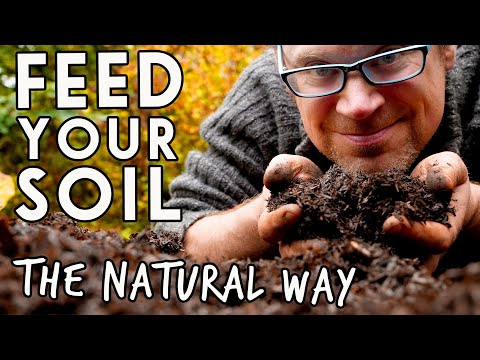
You know that feeling when you step outside and smell fresh earth after a rain? Yeah, that’s like nature’s way of saying, “Hey, everything’s cool down here!”
But seriously, soil is so much more than just dirt. It’s like the superhero of our ecosystem. Think about it—without healthy soil, we wouldn’t have food, gardens, or even those lovely trees lining the streets.
And honestly? A lot of us overlook it. We’re all busy with our lives, and sometimes we forget about what’s beneath our feet. That’s where sustainable practices come in.
They’re kind of like giving your soil a spa day—because healthy soil equals a happy planet! So let’s dig into why taking care of our dirt is super important and how we can do it together!
Enhancing Soil Health: A Comprehensive Guide to Sustainable Agricultural Practices
Soil health is kind of like the backbone of agriculture. If you think about it, healthy soil means healthy plants, which leads to healthy food. And seriously, who doesn’t want that? So, let’s chat about how we can keep our soil thriving through some sustainable practices.
1. Cover Crops
One of the simplest things you can do is plant cover crops. These are basically plants like clover or rye that you grow during the off-season. They help prevent soil erosion and add nutrients back into the soil when they decompose. It’s like a natural fertilizer! Plus, they can improve soil structure and increase water retention. Pretty cool, right?
2. Crop Rotation
Now, let’s talk about crop rotation. This practice involves changing what you plant in a particular field each year rather than growing the same thing over and over again. Think of it as giving your soil a break from certain nutrients that get depleted by specific crops. For example, if you grow corn one year and then switch to beans the next, you’re helping balance out nutrient levels.
3. Reduced Tillage
Tilling? Yeah, it can be rough on soil health if overdone. When you plow too much, you’re disrupting the ecosystem in there. Reducing tillage helps maintain structure and allows beneficial organisms to thrive—like earthworms, which basically work like nature’s little bulldozers!
4. Organic Matter Addition
Adding organic matter is another fantastic way to boost soil health! You might have heard of compost—it’s made from kitchen scraps and yard waste—and it’s like a superfood for your garden soil! It improves moisture retention and adds nutrients while also encouraging microorganisms that break down organic matter further.
5. Integrated Pest Management (IPM)
Okay, moving on to pest management! Instead of bombarding your crops with chemicals that harm everything else in the environment too, try Integrated Pest Management (IPM). This means using natural predators—like ladybugs for aphids—or planting pest-resistant varieties along with monitoring pests instead of just spraying pesticides all willy-nilly.
Remember that time when I tried to grow tomatoes but ended up with more pests than fruit? I wish I had known about IPM back then!
6. Mulching
Mulching is another practical technique worth mentioning! Covering bare ground with organic materials—like leaves or straw—can help suppress weeds and retain moisture in hot weather, which keeps your soil happy! Plus, as it breaks down over time, it adds even more nutrients.
Incorporating these practices might sound like a lot at first but think about how they work together to create a thriving ecosystem right under our feet! And remember: healthier soils mean healthier plants which ultimately means healthier meals for everyone involved.
So yeah, if we want our farms to be sustainable long-term and keep feeding folks for years to come, focusing on soil health through these practices isn’t just smart—it’s essential!
Enhancing Soil Health: The Role of Sustainable Practices in Environmental Science
Soil health is kind of a big deal, right? It’s that hidden gem beneath our feet that supports all life on Earth. But you know, not everyone realizes just how crucial it is for farming, ecosystems, and even our climate. Let’s break down some ways we can boost soil health with sustainable practices.
Sustainable agriculture is all about working with nature rather than against it. For example, using cover crops—plants like clover or rye—helps shield the soil during off-seasons. This not only prevents erosion but also adds nutrients back into the ground when those plants decompose. Pretty neat!
Another practice people are starting to embrace is crop rotation. Imagine planting different crops in the same field across seasons instead of always planting corn or soybeans. This helps reduce pests and diseases while also enhancing soil fertility because different plants give back different nutrients to the soil. It’s like throwing a little party in your garden each season!
And let’s not forget about organic matter. Adding compost or well-rotted manure to your soil can work wonders! Organic matter enhances water retention and improves soil structure, making it easier for plant roots to dig in and grow strong. Plus, it’s a great way to recycle kitchen scraps—you’re literally turning waste into wealth!
Another buzzword out there is no-till farming. Instead of plowing up the whole field every year, farmers leave the soil largely undisturbed. This approach helps maintain habitats for tiny organisms that are super important for nutrient cycling and overall soil health. Plus, less tilling means less erosion.
One time I helped a friend start a little vegetable garden in her backyard. She was so worried about getting everything perfect! But once she embraced these sustainable practices—like composting and rotating her crops—it was amazing to see how vibrant and healthy everything became. She couldn’t believe how much happier her plants looked!
Then there’s mulching. By putting down a layer of organic material (like straw or wood chips) on top of the soil, you can help keep moisture in and suppress weeds without chemicals. It’s like giving your garden a cozy blanket while preventing those pesky weeds from crashing the party.
Lastly, improving biodiversity isn’t just important for all those cute animals out there; it actually benefits our soils too! By planting a variety of species—not just one type—you’re creating an ecosystem that supports more life forms, from microbes to earthworms. More life means better nutrient cycling and healthier soils.
To wrap things up (not like wrapping up a gift but more like bringing this conversation home), enhancing soil health through sustainable practices isn’t just good for farmers; it’s essential for everyone who relies on food or any ecosystem services we take for granted every day. So next time you dig your hands into some dirt (or maybe tend to your houseplants), remember: caring for our soil helps us all breathe easier while we munch on delicious fruits and veggies!
Understanding Soil Health: Key Principles and Scientific Insights in Soil Science
Soil health is super important. It’s the foundation of our ecosystems, and it plays a big role in food production too. When we talk about soil health, we’re essentially discussing the soil’s ability to support plant growth, maintain environmental quality, and sustain biological activity. The thing is, healthy soil is like a thriving community—it’s alive with organisms working in harmony.
Key principles of soil health revolve around a few fundamental ideas:
- Diversity: Healthy soils have a mix of living organisms, from bacteria to fungi to earthworms. Each plays its part in breaking down organic matter and cycling nutrients. More diversity means better resilience.
- Organic Matter: This is like the soul food for soil! Adding compost or mulch boosts nutrient content and improves water retention. Just like when you eat your veggies to feel good—soil needs its nourishment too!
- Aeration: Soils need air, kind of like how we need it! Compacted soils can suffocate roots and hinder water flow. Practices like no-till farming can help keep that air flowing.
- Water Management: Healthy soils absorb moisture better which reduces runoff and erosion. Think of it as a sponge soaking up water instead of letting it just slide away.
- Soil Structure: Good structure promotes drainage and root penetration. It’s like building a house on solid ground—those foundations matter!
Understanding these principles helps us figure out how to keep our soils healthy over time.
Now, you may be wondering why this matters so much. Well, I remember visiting my grandma’s farm as a kid—the way she tended her garden was magical! She understood the importance of rotating crops and adding compost regularly. Her veggies were vibrant and delicious because they were grown in rich, cared-for soil. That experience really opened my eyes to how vital soil health is for growing good food.
But here’s the kicker: once we neglect our soils through over-farming or using harsh chemicals, things can get pretty messy fast. Soil erosion becomes a real threat—imagine losing that precious top layer without replacing it; yikes! It not only affects what we grow but also impacts local waterways.
And let’s not forget about climate change! Healthy soils can act as carbon sinks; they have this amazing ability to store carbon dioxide from the atmosphere when nurtured properly. Pretty cool for something that seems so simple!
Promoting sustainable practices is crucial for keeping our soils healthy long-term:
- Crop Rotation: Changing what you plant each season helps reduce pest buildup and improves nutrient balance.
- Cover Cropping: These plants protect bare soil between seasons by preventing erosion while enriching organic matter as they decompose.
- No-Till Farming: Minimizing disturbance keeps soil structure intact and preserves those little critters living under there.
By embracing these methods, we’re supporting not just healthier crops but healthier ecosystems overall.
In summary, understanding soil health isn’t just nerdy science talk; it’s essential for our planet’s future! The more we learn about how our actions affect the earth beneath us, the better stewards we can be for ourselves—and generations to come. Who knew dirt could be so exciting?
You know, when I think about soil health, it just kind of blows my mind how much it impacts everything around us. Like, have you ever stood in a garden and really looked at the dirt? Yeah, it might seem boring at first glance. But seriously, there’s a whole universe down there!
I remember helping my grandmother in her garden as a kid. We’d dig our hands into the earth and plant seeds together. She’d always say, “Healthy soil means healthy plants.” It was like her little mantra. At the time, I didn’t really get what she meant—just thought we were having fun getting dirty! But now? Now I realize she was onto something big.
Soil is basically the foundation for all life on land. It supports plants that feed us and provide oxygen—kind of important stuff, right? But here’s where it gets tricky: soil isn’t just dirt. It’s alive! There are tiny organisms working hard to keep everything balanced and healthy. When we use harmful chemicals or don’t take care of the land properly, we can throw that balance way off.
You see all these sustainable practices popping up lately—crop rotation, cover cropping, reduced tillage—you name it. And honestly? They’re not just buzzwords; they can seriously make a difference. By rotating crops each season instead of planting the same thing over and over again, farmers can improve soil nutrients naturally. Cover cropping involves planting specific crops during the off-season to protect and enrich the soil. These methods are like giving the earth a much-needed hug!
But sometimes, shifting to these practices can be tough for farmers who’ve done things one way for years. Change is hard! I often think about how my grandmother would’ve embraced these methods if she were gardening today—it would have been cool to see her adapt with all this new knowledge.
In a way, promoting soil health is like nurturing relationships in our own lives. If you don’t tend to them with care and understanding, they just wither away over time. In essence, when you look after your soil through sustainable practices, you’re investing in future harvests—not just for yourself but for generations to come.
So yeah, next time you find yourself digging in the dirt or admiring a beautiful garden—take a moment to appreciate that complex little world beneath your feet! It’s worth every ounce of effort to keep it thriving.