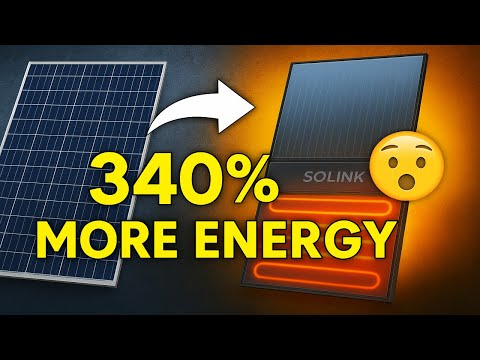
So, the other day I was chatting with my neighbor, right? He was out there trying to figure out how to make his solar panels work better. I couldn’t help but laugh a bit because, honestly, who knew we’d be at a point where we’re fine-tuning sunshine?
But here’s the thing—solar panel tech has really come a long way! We’re not just talking about those clunky old panels anymore. Nowadays, they’re like sleek little ninjas capturing every drop of sunlight.
I mean, think about it: as we get better at this, we could actually harness way more energy than before. That’s kind of mind-blowing when you think about all the possibilities. So let’s dig into how these advancements are changing the game and what they mean for us!
Recent Advances in Solar Panel Efficiency: A Scientific Exploration
So, let’s chat about the cool stuff happening with solar panel efficiency lately. You know how important it is to use renewable energy, and solar power is like, shining bright in that area. We’ve seen some amazing tweaks and improvements, so let’s break it down!
First up, materials! The standard silicon panels have been the go-to for ages. But now? Scientists are getting creative with new materials like perovskite. This stuff has a crystal structure that’s great at absorbing light. It can potentially boost efficiency from around 20% to more than 25%. How awesome is that? Imagine getting more energy from the same sunlight!
And then there’s something called tandem solar cells. This is where they stack two or even three different types of solar cells on top of each other. Each layer absorbs different parts of the sunlight spectrum, which means more energy collected overall! It’s like layering flavors on a cake—each one makes everything taste better, you know?
Another cool thing is light management technology. Here’s what I mean: researchers are developing special coatings that help capture even more sunlight by reducing reflection—like when you squint at your phone in the sun and can’t see anything! Those tiny tweaks can lead to significant gains in efficiency.
Now let me tell you a little anecdote. A friend of mine put solar panels on his roof last year. He was pretty pumped about it but worried they wouldn’t work well enough during cloudy days. But thanks to these advancements, he found out his panels were actually performing better than expected—even on gloomy days! It was such a relief for him because he really wanted to do his bit for the environment.
Let’s not forget about tracking systems. Solar panels can now be installed with trackers that follow the sun as it moves across the sky. These systems can increase energy capture by up to 40%! It feels like having a pet that fetches your slippers; they’re just way smarter now.
And here’s something interesting: improved recycling methods for old panels are coming into play too! As we ramp up production, we need to think about what happens when they wear out. There are new processes popping up that help recover valuable materials from old panels, keeping things sustainable long into the future.
With all these advancements rolling out—like super-efficient materials and clever designs—solar energy isn’t just becoming more efficient but also cheaper over time. That only means good news for your wallet and our planet!
It really feels like we’re standing at this exciting crossroads in technology where solar power can make a huge difference in how we generate electricity. So keep an eye out—I mean who knows what will pop up next?
Understanding the 33% Rule in Solar Panels: Implications for Energy Efficiency and Sustainability in Solar Science
Okay, let’s chat about the 33% Rule in solar panels. You might be scratching your head right now like, “What’s that?” Don’t worry, I’ll break it down for you. Basically, this rule refers to the theoretical maximum efficiency of solar cells. It states that solar panels can ideally convert up to 33% of sunlight into usable electricity. Sounds cool, right?
The reason behind this magic number has to do with how light interacts with materials. When sunlight hits a solar cell, it can either be reflected away, absorbed, or pass right through it. The 33% Rule suggests that only a third of the sunlight’s energy can actually be used effectively because of various limitations like energy losses.
Now, this might seem like a bummer at first glance. But hold on! When we think about advancements in technology and materials used for solar panels, we see some exciting stuff happening. Researchers are coming up with new ways to boost efficiency beyond that 33% ceiling!
Here are some examples:
- Perc Technology: It’s like giving your solar panel a superhero cape! By adding an additional layer to existing cells, it has been shown to increase efficiency.
- Bifacial Panels: These bad boys can capture sunlight from both sides! Imagine getting double the energy without needing twice as many panels.
- Tandem Cells: This involves stacking different materials to catch various wavelengths of light—like having multiple fishing lines in the water rather than just one!
The implications of pushing past that 33% mark are massive for energy efficiency and sustainability. For instance, better-performing solar panels mean less space needed for installation; you could power more homes using fewer resources. And if you’re wondering about the environment—less land means less disruption to nature!
I remember visiting a friend’s house who installed these cutting-edge solar panels. Seriously, their entire roof was like a mini-power plant! It was mind-blowing how much energy they were generating compared to older models still sitting around.
A big aspect of improving efficiency is also about decreasing costs over time. If we get more bang for our buck from every ray of sunshine hitting those panels, we’re well on our way to making renewable energy accessible for everyone—and that’s what we really want.
The longer-term vision? As technology continues evolving and researchers push the boundaries on what’s possible in solar science, we could be looking at a future where harnessing energy from the sun is not just efficient but sustainable too!
So there you have it! The 33% Rule isn’t just some random number; it’s a stepping stone towards an even brighter and greener future in renewable energy.
Exploring the Impact of Technological Advancements on Solar Panel Efficiency in Modern Science
Exploring how technology impacts solar panel efficiency is like jumping into a supercharged science fair. It’s all about finding ways to catch more sunlight and turn it into usable energy, which is pretty cool if you think about it!
First off, let’s look at what makes solar panels tick. They’re made of materials called photovoltaic cells, which convert sunlight directly into electricity. Traditionally, silicon has been the superstar material for these cells. But, as you might guess, advancements in tech are shaking things up a bit.
One big leap forward has been the development of perovskite solar cells. These guys use a different structure that can be cheaper and easier to produce than traditional silicon cells. What’s really neat is they can achieve higher efficiencies in terms of energy conversion. Imagine getting more power out of the same amount of sunlight! That’s like finding extra fries at the bottom of the bag.
Now, there are also improvements happening with multi-junction solar cells. Picture this: stacking several layers of solar cells on top of each other that each capture different parts of the light spectrum. This means they can capture more energy overall compared to single-layer cells! It’s like having a concert where multiple bands play your favorite songs instead of just one.
But wait, there’s more! Technology isn’t just making these panels better; it’s also helping us manage them smarter. Think about how home automation works nowadays—like smart thermostats that learn your habits and adjust accordingly. Well, similar innovations in energy management systems can optimize when we use our solar power and store excess energy for later.
Of course, it isn’t all sunshine and rainbows. There are challenges with integrating these new technologies into our existing infrastructure. Some folks worry about how sustainable these materials are to produce or what happens when they reach the end of their life cycle. For instance, while perovskite materials show great promise, their long-term stability still needs work before they become mainstream.
Finally, let’s chat about what this all means for you and me—our reliance on fossil fuels could seriously drop if we harness this tech effectively! The implications are huge; from lowering electricity bills to reducing carbon footprints on a massive scale.
In short, technological advancements in solar panel efficiency aren’t just revolutionizing how we collect and use energy—they’re paving the way for a greener future! So next time you see those shiny panels soaking up rays on rooftops or in fields, remember there’s a lot going on behind the scenes with science working hard to make our planet better for everyone.
You know, it’s kinda crazy how far solar technology has come in recent years. I mean, if you told someone a couple of decades ago that we’d be harnessing the sun’s energy as effectively as we do today, they probably would’ve laughed. But here we are!
So, let’s talk about solar panel efficiency. Basically, it just means how good these panels are at converting sunlight into usable electricity. The old ones used to convert maybe 12-15% of sunlight into energy, but now we’re looking at panels that can do upwards of 22% or more! That’s a game changer for sure.
I remember when my buddy decided to go solar a few years back. He was super excited about it and kept raving about the savings on his electric bill. But honestly? At that time, I thought he was just jumping on the bandwagon without really considering how efficient those panels were—like maybe it wouldn’t be worth it in the long run. Fast forward a bit, and now with advancements in technology—like bifacial panels that soak up sunlight from both sides—we’re seeing more bang for our buck!
These improvements aren’t just for homeowners though; they’re impacting whole industries too. Think about it: businesses and farms can cut down on energy costs significantly by utilizing high-efficiency solar panels. And there’s this cool domino effect—when big companies invest in solar tech because it’s more efficient, it pushes manufacturers to innovate even further! It’s like this endless cycle of improvement.
But let’s not forget the environmental aspect here. You know as much as I do how crucial it is to cut down on our carbon footprint – we’ve got to keep our planet healthy for future generations! More efficient solar panels mean cleaner energy and less reliance on fossil fuels. It’s like taking baby steps towards sustainability but with way bigger strides than we initially thought possible.
Of course, while these advancements are awesome, they do come with challenges too—like disposal concerns and making sure materials are sourced responsibly. It’s all interconnected, right? I think it’s pretty inspiring though how we’re finding ways to tackle these issues head-on while pushing for cleaner energy solutions.
In the end, every time I see those shiny panels on rooftops or sprawling fields covered with them, I feel hopeful about what technology can achieve when people put their minds together for good causes – like turning sunlight into electricity that powers homes and businesses alike!