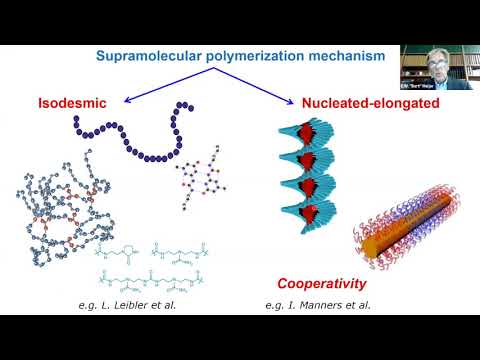
You know that moment when you’re trying to untangle your headphones, and it feels like a mini wrestling match? Well, supramolecular chemistry is kind of like that—but way cooler. Instead of just dealing with knots, it’s all about the big picture of molecular interactions.
Imagine tiny molecules coming together to form something greater than themselves. They’re like the ultimate teamwork champions! This field is buzzing with innovations, and honestly, it’s shaking things up in various industries.
So, what’s the deal? These smart little arrangements can lead to breakthroughs in drug delivery systems, materials science, and even environmental solutions. It’s like having a toolbox where every tool is designed to fit perfectly.
Pretty exciting stuff, right? Let’s chat about how these remarkable innovations could literally change the way we live!
Recent Innovations in Supramolecular Chemistry: Applications and Insights
Supramolecular chemistry is one of those fields that might sound like it’s straight out of a sci-fi movie, but it’s actually pretty cool and super relevant. You know how everything is made up of tiny bits, like atoms and molecules? Well, supramolecular chemistry focuses on how these molecules can hang out together in more complex ways. They form structures that are greater than the sum of their parts, using non-covalent interactions. This means they can create amazing things by just sticking together!
One recent innovation in this field is the development of **self-healing materials**. Imagine if a scratch on your phone screen could fix itself! Researchers have been working on materials that use supramolecular interactions to heal themselves when they get damaged. These materials can be used in everything from electronics to construction, making them more durable and longer-lasting.
Another exciting application is in **drug delivery systems**. Think about it: getting medicine right where it needs to go can be tricky. Supramolecular chemistry allows scientists to design carriers that can transport drugs precisely to the target area in the body. This not only increases the effectiveness but also reduces side effects. For example, there are systems being developed that release drugs only when exposed to certain conditions inside the body.
Additionally, **sensors** based on supramolecular structures are gaining attention too. These sensors can detect things like heavy metals or toxins with incredible sensitivity. The beauty lies in their ability to provide quick and accurate readings, which is super helpful for environmental monitoring or health diagnostics.
There’s also an innovative approach involving **supramolecular catalysts**—these are special types of catalysts that help speed up chemical reactions without being consumed in the process. Researchers are discovering ways to make these catalysts more efficient and selective, leading to greener chemistry practices.
You might wonder about real-world impacts here! For instance, researchers developed a type of supramolecular gel that responds to light—this could lead to advanced materials for robotics or smart devices. Just imagine how cool it would be if a material changed its shape with a flick of a switch!
So yeah, supramolecular chemistry is not just some fancy term; it’s driving innovations across various fields with its unique ability to create complex systems from simpler components using non-covalent bonding techniques. The possibilities feel endless as we keep exploring this fascinating area!
Advancements in Supramolecular Chemistry: Exploring Innovative Applications in Modern Science
Supramolecular chemistry is one of those fields that can sound a bit intimidating at first, but once you get into it, it’s like a treasure trove of cool ideas. Basically, it’s all about how molecules interact with each other without forming strong bonds—think of them as friends coming together for a party rather than getting married. And this has some seriously exciting implications for modern science!
What are Supramolecules?
So, supramolecules are groups of molecules that bond using non-covalent interactions. These interactions include things like hydrogen bonds, ionic bonds, and van der Waals forces. You know how Lego blocks stick together? That’s kind of what happens here, but with tiny molecules. This ability to self-assemble leads to innovative structures and functions.
Applications in Medicine
One major area where supramolecular chemistry shines is in medicine. For instance, researchers are exploring drug delivery systems that use these self-assembling structures to target specific cells more effectively. Picture it: tiny drug carriers that can latch onto cancer cells while leaving healthy cells alone! It’s not just wishful thinking; some studies have already shown potential breakthroughs here.
Nanoelectronics
Another exciting application is in nanoelectronics. The miniaturization of electronics is crucial for tech advancements—like making smaller smartphones or faster computers. Supramolecular chemistry helps in designing materials that can conduct electricity efficiently at the nanoscale level. You could say it’s making our gadgets smarter and more efficient.
Sensors and Environmental Applications
And then there’s the environmental angle! Think about sensors used to detect pollutants. By employing supramolecular techniques, scientists can create highly sensitive devices that respond to even the tiniest changes in their environment. It’s basically like giving nature a helpful set of eyes and ears!
Self-Healing Materials
Have you ever had a favorite item that got damaged? Well, supramolecular chemistry is leading the way toward creating self-healing materials! Imagine a material that can fix itself when torn or scratched—just like magic! Researchers are working on plastics and coatings infused with supramolecular components that allow them to reconnect after being broken.
The Future Frontier
So what does the future hold? The possibilities seem endless! From advanced materials to new biomedical applications, we are just scratching the surface here. As researchers continue to unravel the complexities of these molecular interactions, who knows what other amazing innovations might come our way?
Conclusion
In short, advances in supramolecular chemistry aren’t just academic—they’re paving the way for real-world applications across various sectors. So next time you hear about this field, remember: it’s not just about molecules; it’s about creating solutions for everyday problems and pushing science into exciting new territories!
So, let’s chat about supramolecular chemistry, which, honestly, sounds super fancy but is really just a way of describing how molecules can stick together in cool ways without forming actual bonds. It’s like when you and your friends decide to all pile on a couch at a party—yeah, you’re not glued together, but there’s definitely some cozy chemistry going on!
I remember the first time I got into this stuff. I was reading about how these clever scientists create complex structures using molecules that fit together like puzzle pieces. They can do really wild things such as making materials that can change shape or even respond to light! Can you believe it? It’s like they’re building miniature cities with tiny blocks!
Now, the applications of supramolecular chemistry are pretty mind-blowing. Think about drug delivery; researchers are figuring out how to get medicines right where they need to be in your body using these structures. Imagine a little package that only opens when it gets to the right spot. That means fewer side effects and more effective treatment! How awesome is that?!
But it doesn’t stop there! There are also breakthroughs in making new materials—some of them can clean up pollutants from water or capture carbon dioxide from the atmosphere. You know how everyone’s worried about climate change? Well, these innovations could help us tackle some of those big issues! Like having your cake and eating it too.
And here’s the thing: these advancements aren’t just about science for science’s sake; they really reflect a deep curiosity and desire to solve problems we face today. It’s inspiring when humanity takes such creative steps forward. So next time you hear someone mention supramolecular chemistry, just think of all those tiny pieces coming together to make something massive. It’s sorta like life—sometimes the best stuff happens when we connect in unexpected ways!