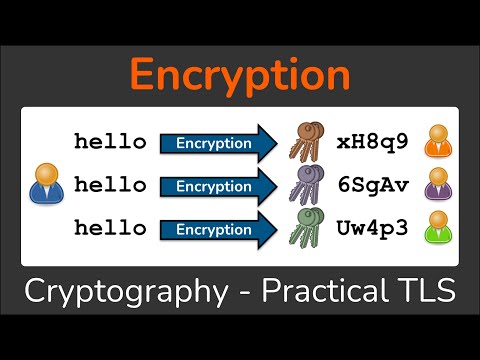
Imagine this: you’re trying to send a top-secret message to your best friend. You want it to be safe, but you don’t have a lock or key, right? Well, that’s where symmetric key cryptography struts in like a superhero.
So what’s the deal with it? Basically, it’s like having one special passcode that both you and your friend know. You send messages back and forth using that same code. If someone else tries to peek at what you’re saying, they’ll just see a total jumble.
Pretty neat, huh? It’s the backbone of how we keep things secure in our digital world today. It’s like your personal bouncer at the club of secrets! Let’s dig into how this whole thing works and why it matters so much now more than ever.
Exploring the Five Key Components of Symmetric Encryption in Cybersecurity Science
Sure! Let’s chat about symmetric encryption and its key components in cybersecurity. It’s a pretty cool topic that’s super important for keeping our data safe.
What is Symmetric Encryption?
At its core, symmetric encryption is like a secret code between two friends. They use the same key to lock (encrypt) and unlock (decrypt) their messages. It’s a well-known method in the digital security world, mainly because it’s fast and efficient. You know when you’re sending sensitive stuff? This is one of the ways to protect it.
Now, let’s dive into the five key components that make this whole process tick:
- The Key: This is the star of the show! The key is a random string of bits used for both encrypting and decrypting information. Think of it as a password—without it, your secrets are just gibberish.
- The Algorithm: The algorithm is like the recipe for making your secret code. It defines how the data gets transformed into unreadable text. Examples include AES (Advanced Encryption Standard) or DES (Data Encryption Standard). Each has its own way of scrambling things up!
- The Plaintext: This is your original message before anything happens to it. Let’s say you’re texting your friend about dinner plans; that message is plaintext until you encrypt it.
- The Ciphertext: Once you apply the magic of encryption using your key and algorithm, that dinner plan turns into ciphertext—a jumble of letters and numbers that mean nothing to anyone snooping around.
- The Decryption Process: When your friend gets your ciphertext message, they’ll use their copy of the same key along with the algorithm to turn it back into readable text. It’s like solving a puzzle together!
Why Does It Matter?
Well, with all those hacks and data breaches happening these days, symmetric encryption plays a huge role in keeping information secure in transit. Imagine if someone intercepted your messages about meeting times or personal details—yikes! Symmetric encryption helps prevent that by ensuring only you and your friend can read what was sent.
A Quick Anecdote:
I remember when I was planning my buddy’s surprise birthday party online. We were texting a lot about details—location, guest list—and we wanted to keep those plans hush-hush from him! We joked about needing some sort of spy gear or secret handshake just to keep things private. Turns out, we kind of had our own spy gear right there in our phones thanks to symmetric encryption!
So yeah, there’s much more going on behind-the-scenes than just sending messages back and forth! Symmetric encryption keeps digital communication safe and sound while we go about our daily lives online. Pretty neat stuff, don’t you think?
Understanding Symmetric Key Cryptography: A Key Component of Cyber Security in Computer Science
Symmetric key cryptography is like the secret handshake of the digital world. Imagine you and your best friend invent a code that only the two of you understand. That’s pretty much how this type of encryption works! It’s essential for keeping our online communications safe and sound.
In simple terms, symmetric key cryptography uses one single key to both encrypt (scramble) and decrypt (unscramble) information. It’s like having a single door key for your house—same key to lock the door and unlock it! This means both the sender and receiver need to keep that key private. If someone else gets their hands on it, they can easily peek at all your secrets.
You might wonder, “But how does this actually work?” Let’s say you want to send a message saying, “Meet me at 5.” With symmetric encryption, you’d use your shared secret key to turn that message into a confusing jumble of letters and numbers. Only your friend has the same secret key to turn it back into “Meet me at 5.” Neat, right?
Now, here comes an interesting twist: one major challenge in symmetric key cryptography is key distribution. If you want to share the secret key with someone else securely, how do you do it? You can’t just send it over email because that message could be intercepted. So typically, people use other secure methods or protocols before diving into symmetric encryption.
You might also hear about different types of algorithms used within this realm. For instance, some popular ones include AES (Advanced Encryption Standard) and DES (Data Encryption Standard). AES has become like the gold standard because it’s super secure and kinda fast too!
The speed aspect is really important here. Symmetric encryption tends to be much faster than its cousin—asymmetric encryption, which uses two keys instead of one (more on that another time!). This speed makes symmetric methods ideal for encrypting larger amounts of data quickly.
If you ever find yourself using online banking or shopping, guess what? There’s a good chance symmetric cryptography is behind the scenes keeping your info secure. So next time you’re hitting “checkout,” just think about how those crazy codes are working hard to protect your financial data!
The bottom line is that while we’re enjoying our digital lives—from sending memes to online classes—symmetric key cryptography plays a crucial role in ensuring everything stays private and secure. Without it? Well, let’s just say things would get pretty messy!
Exploring Symmetric Key Cryptography: A Key Component of Modern Digital Security in Scientific Applications
So, let’s chat about something that sounds super techy but is totally essential in today’s digital world—symmetric key cryptography. Ever heard of it? It’s like the secret handshake of the internet, keeping our data safe and sound.
Imagine you’re back in high school, passing notes to your best friend. You don’t want anyone else reading them, right? So, you use a code that only you two understand. That’s pretty much what symmetric key cryptography does but on a much larger scale! Here’s how it works:
- One Key for All: In this method, there’s just one key used for both encrypting and decrypting the data. Like sharing a locker combination!
- Speedy Encryption: It’s fast and efficient. When you have loads of data to protect, you really don’t want to be waiting around for ages.
- Shared Secrets: Both sender and receiver must keep this key secret. If someone gets their hands on it—uh-oh! They can read all your notes.
You might wonder why symmetric key cryptography is super important in scientific applications. Well, think about researchers working with sensitive data like patient records or environmental studies. They need to share their findings without risking leaks or tampering. Using symmetric keys helps maintain integrity and confidentiality.
A long time ago, I remember my college days when my professor reviewed some research data we were working on about climate change. He stressed how crucial it was not just to gather accurate data but also to protect it from prying eyes. The last thing we wanted was for someone to mess with our findings or leak info before publishing—yikes!
Now let’s break down some common challenges with symmetric key cryptography:
- The Key Distribution Problem: Sharing the secret key can be tricky! If you’re not careful when handing out the keys, they could end up in the wrong hands.
- Scalability Issues: As more people get involved (like during a big research project), managing all those keys can get messy.
The good news? There are solutions! Often combined with other methods like asymmetric encryption (where two keys are used), symmetric cryptography remains vital because of its speed and efficiency.
This whole process may seem complicated at first glance, but once you get into it, understanding how these principles work is pretty rewarding! So next time you’re sharing sensitive information online or collaborating on a study with colleagues across the globe, remember: secure communication is like your digital secret code keeping everything under wraps!
If you’ve ever felt uneasy about info floating around on the internet—be it emails or research papers—you’ve got every reason to be cautious. But now that you understand a bit more about how symmetric key cryptography works behind the scenes, there’s definitely comfort in knowing there are strong measures protecting our digital lives!
You know, thinking about how we share information today really gets me. Like, we’re constantly sending messages, sharing photos, and doing all kinds of online stuff. But have you ever thought about how that information stays safe? That’s where symmetric key cryptography comes in. It sounds all technical and fancy, but it’s actually pretty cool and interesting.
So, let’s break it down a bit. Symmetric key cryptography is like having a secret code that only you and your friend know. Imagine you’ve got this box that can only be opened with a special key. When you lock it up, you both have to have the same key to unlock it later. Simple, right? This method uses one key for both encryption and decryption. You send your secret message in code using that key, and only your friend can decode it. If someone else intercepts your message without the key—well, they’re just staring at a bunch of gibberish.
A while back, I was helping my cousin with a project for school about online privacy. We were looking into how companies use encryption to protect their customers’ data when they shop online or send sensitive info. It was wild to see how much goes on behind the scenes! Symmetric key cryptography is super efficient for keeping data secure during these transactions because it’s fast and requires less computational power than some other methods.
But here’s the thing: while symmetric keys are great for speed and efficiency, there’s a catch! You have to find a safe way to share that key in the first place! If someone snags that key while it’s being sent over an unsecure channel—uh-oh! Your whole system is compromised just like that.
What I find really fascinating is how we’ve adapted this concept in modern security systems by using things like digital signatures or handshake protocols over secure connections (you know what I mean?). They help us ensure everyone has the right keys without putting them out there for anyone else to grab.
So yeah, symmetric key cryptography might seem straightforward on the surface; but it’s part of this intricate dance of security ensuring our private lives remain just that—private! It reminds me of those childhood games where secrets were everything; if you didn’t keep it tight with your friends—they would spill all your beans! In this digital age, we’re still trying hard to keep our beans safe from prying eyes. It may be a challenge today as much as it was back then—but at least now we’ve got some serious tech on our side!