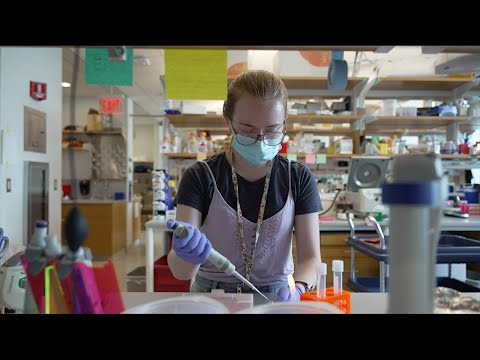
You know that moment when you’re trying to solve a puzzle, and one piece just doesn’t fit? You turn it every which way, but it’s not happening. That’s kind of what scientists face all the time. Modern research is like a massive, mind-bending puzzle.
Enter systems biology! It’s the cool kid on the block who brings everything together. Instead of looking at just one piece—like a single gene or protein—it zooms out to see how all these pieces interact in this big ol’ living system.
So, here’s the scoop: systems biology helps scientists understand how things work as a whole. Think of it like being at a concert. Sure, you can check out the guitar solo, but if you want to feel that epic vibe? You gotta hear the whole band play together! And isn’t that what science is all about? Putting those puzzle pieces together to see the full picture!
Exploring the Impact of Systems Biology on Contemporary Scientific Research: A Comprehensive PDF Guide
Systems biology is a pretty cool field that’s been shaking things up in science lately. It dives into how everything in living organisms connects and interacts. Instead of just looking at individual parts—like a gene or a protein—systems biology tries to see the bigger picture, you know? It’s like trying to understand an orchestra by listening to just one instrument; you miss out on the beautiful harmony if you don’t take it all in.
One major impact of systems biology is in **medical research**. Researchers can now model diseases at a systems level. This means they’re not just looking for drugs that might work on a single target but considering how different parts of the body work together. Imagine developing treatments based on how entire networks of genes and proteins interact during disease, rather than just treating symptoms.
Here are some key points about systems biology:
- Integration of Data: Systems biology uses data from various sources—genomics, proteomics, and metabolomics—to gather insights about biological processes.
- Modeling Biological Systems: Researchers create computational models that mimic real biological systems, which help predict how they will behave under different conditions.
- Personalized Medicine: With systems biology, healthcare is moving towards tailoring treatments for individuals based on their unique biological networks.
- Understanding Complexity: Life is complicated! Systems biology helps us make sense of this complexity by showing how changes in one part affect the whole system.
Let me tell you a bit about personalized medicine—it’s like when you go to your favorite café and order your coffee exactly how you like it. No one-size-fits-all approach here! Instead, with insights from systems biology, doctors can figure out what works best for each person based on their unique biological makeup.
Also, let’s talk about **environmental science** for a moment. Systems biology isn’t just stuck in labs; it’s helping scientists understand ecosystems too. By modeling interactions between various species and their environments, we can predict outcomes based on changes like climate shifts or pollution levels.
But what really stands out is the collaboration aspect of this field. Scientists from different backgrounds are coming together—biologists, computer scientists, chemists—all working as one big team to tackle complex issues. It’s reminiscent of those group projects back in school where everyone brings something unique to the table (hopefully without drama!).
In summary, systems biology is all about understanding life through connections and interactions instead of viewing parts in isolation. It’s making waves across many scientific disciplines: medicine, environmental science, and even agriculture! So next time you hear someone mention this field, remember it’s not just scientific jargon; it’s changing our understanding of life as we know it!
Advancements in Systems Biology: Integrating Bioinformatics for Enhanced Biological Insights
Systems biology is like this cool bridge connecting different fields of biology, computer science, and engineering. Basically, it helps scientists understand how all the tiny parts of a cell or an organism work together as a whole. You know how when you try to fix something around the house, you can’t just slap on some duct tape and hope for the best? You’ve gotta see the entire system—what’s broken, what’s working fine, and how everything interacts. That’s what systems biology does, but for life!
Integrating Bioinformatics into this mix is where things get really interesting. Bioinformatics is like the super-smart cousin in the family that knows all about organizing and analyzing huge amounts of biological data. Nowadays, with all this genetic data pouring in from technologies like genome sequencing, we seriously need bioinformatics to make sense of it all.
So you might be wondering what exactly happens when these two fields come together. Well, advancements in systems biology through bioinformatics have led to some pretty exciting breakthroughs:
- Modeling Complex Systems: Using computational models lets scientists simulate and predict how cellular components interact over time. This isn’t just guesswork; it’s based on real data!
- Understanding Diseases: Researchers can identify key pathways involved in diseases by analyzing biological networks. This has serious implications for finding new treatments.
- Personalized Medicine: With bioinformatics tools allowing us to analyze individual genetic information quickly, we’re moving toward tailored therapies that suit each person’s unique biology.
Let me give you an example that really hits home. Imagine a family trying to figure out why their dog has been acting so weird lately; they might consider its diet, habits, or even any changes at home! Similarly, systems biology allows researchers to look at multiple factors affecting health—like genes, proteins, and environmental influences—to get a clearer picture.
Another point worth mentioning is how data integration has transformed our approach to research. Before these advancements, it was common for biologists to work with limited datasets that didn’t give the full story. Now we can combine genomic data with proteomic (protein-related) information and metabolomic (metabolism-related) info all in one big analysis stew! This holistic view can reveal insights that were hidden when looking at pieces separately.
Still not convinced? Remember when the Human Genome Project sequenced our DNA? That was groundbreaking! But without bioinformatics helping scientists interpret that mountain of data quickly and effectively, we wouldn’t be where we are today regarding understanding genetics.
You see? The role of systems biology in modern scientific research isn’t just fancy jargon; it’s shaping our future in medicine and beyond by helping us grasp life’s complexities more clearly than ever before! So next time someone brings up **systems biology**, you’ll know it’s not just about studying bits and pieces; it’s about understanding **the whole picture**!
Exploring Systems Biology: Key Examples and Applications in Modern Science
So, let’s chat about systems biology. You might be thinking, what is that? Well, it’s this really cool field that looks at the complex interactions within biological systems. Picture a bustling city – you’ve got roads, cars, traffic lights… everything interacts to keep things moving. Systems biology does the same thing but with living organisms. It connects all the dots between genes, proteins, cells, and even entire ecosystems.
Now, **why should we care?** Systems biology plays a huge role in modern scientific research. It’s not just about understanding isolated parts; it’s about grasping the bigger picture. Think of it like this: if you only study one tree in a forest, you won’t really understand how the entire ecosystem works.
Here are some key points to consider:
I once read about this researcher who tried to figure out why certain cancer treatments worked for some patients but not others. By using systems biology methods, they created models that showed how individual genetic differences influenced treatment responses! That’s pretty mind-blowing when you think about it.
Analyses can be done on everything from metabolic pathways in yeast to complex immune responses in humans! When researchers want to understand diseases like diabetes or cancer better? They look at interactions across pathways instead of just focusing on one protein or gene.
But let’s not forget about environmental applications too! By applying systems biology to ecology, scientists can assess how ecosystems respond to climate change or pollution. It’s like being able to predict the weather but for ecosystems!
In short: systems biology is kind of like having a superpower for seeing connections where others might just see chaos. The more we understand these connections, the better equipped we are to tackle challenges in health and environmental science alike.
So yeah, whether it’s figuring out new medicines or protecting our planet’s biodiversity, **the role of systems biology is only expected to grow** as our ability to collect and analyze data gets better and better over time. Isn’t science amazing?
So, systems biology… it’s like this fascinating corner of science that brings together everything from genetics to biochemistry, and even ecology. It’s like forming a band where every member—every tiny piece of a living organism—plays a part in making beautiful music, or in this case, helping us understand life.
I remember sitting in class one day, and my professor showed us this mind-blowing diagram. It had circles and arrows everywhere. All these different interactions happening all at once! And I thought: how on Earth do all these bits fit together to make an entire organism function? Honestly, it was kind of overwhelming but exciting too. The whole “big picture” thing started to click for me. Systems biology is about seeing those connections and understanding how they work together to create life as we know it.
Basically, instead of just looking at individual genes or proteins like scientists used to do, systems biology says, “Hey! Let’s look at everything all at once.” This mindset helps researchers tackle complex problems—like figuring out how diseases spread or why certain treatments work for some people but not others. It’s super relevant in modern medicine because every body is unique.
And then there’s the technology involved! With tools like high-throughput sequencing and advanced computational models, researchers can gather enormous amounts of data and analyze it quickly. I mean, can you imagine trying to do that by hand? It’d be like counting all the leaves on the trees in a forest—like an impossible task!
But here’s the emotional part: think about those people dealing with chronic illnesses or rare diseases. A systems biology approach could lead to personalized treatment plans tailored just for them. That sense of hope? It’s huge! Knowing that science isn’t just experimenting in labs but also working towards real-world solutions makes you feel connected to something bigger.
So yeah, systems biology isn’t just another buzzword; it’s shaping the way we think about health and disease today. It reminds us that life is complex—and maybe that’s what makes it beautiful too. You can find beauty in the chaos when you start seeing how everything intertwines!