So, picture this: you’re in a garden, surrounded by all sorts of plants, and out of nowhere, someone asks you to name them. You freeze. Like, how on earth do you even start? Seriously, it’s a jungle out there!
Plants are everywhere – they fill our yards, streets, and even our plates. But here’s the kicker: they’re not just pretty faces. Each plant has a unique story waiting to be told.
Now, enter the wacky world of botanical classification systems! These fancy methods help us make sense of that wild plant kingdom. It’s like creating a giant family tree but with leaves instead of people.
You might think it’s just for scientists in lab coats with huge books—but hold on! Innovations in these systems are shaking things up and making plant identification way cooler. So grab your watering can because we’re about to dig into some seriously fun stuff about Taxon Plant!
Exploring the Origins of the Taxon Classification System in Biological Science
So, let’s chat about the taxon classification system in biology. It’s like the Dewey Decimal System but for living things. You know how you can’t just shove all your books haphazardly onto shelves? Same vibe with classifying plants and animals!
Basically, taxonomy is all about grouping organisms based on shared characteristics. It helps scientists like you and me understand relationships between various species, and it’s pretty cool how it all started.
Back in the day, around the 18th century, a Swedish botanist named Carl Linnaeus really shook things up. He invented a method called binomial nomenclature. That fancy term just means each species gets a two-part name—like Homo sapiens for humans or Rosa rubiginosa for that sweet-smelling rose bush in your garden. This naming style made it way easier to communicate about species because before that? Yikes! People used all kinds of names that could change from one place to another.
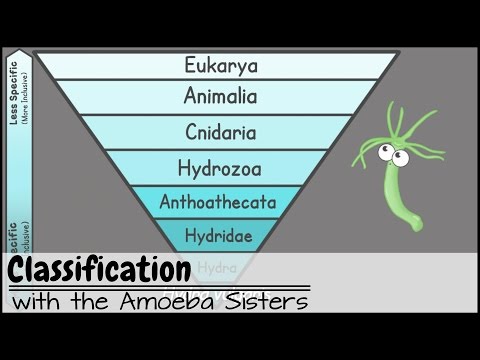
Linnaeus’ system classified living things into hierarchical ranks: kingdom, phylum, class, order, family, genus, and species. So think of it as a family tree where everything has its place—from the big branches down to those tiny leaves. For example:
- Kingdom: Plantae (all plants)
- Phylum: Angiosperms (flowering plants)
- Class: Eudicots
- Order: Rosales
- Family: Rosaceae (the rose family)
- Genus: Rosa
- Species: Rosa rubiginosa
By using this structure, scientists could sort out plant diversity better than ever before!
But wait! Taxonomy isn’t set in stone. It has evolved over time as we learned more about genetics and evolution. Nowadays, there are new ways to classify plants based on their DNA rather than just their physical features. This innovation has illuminated relationships that weren’t obvious at first glance! For instance, some plants thought to be unrelated turned out to share a common ancestor when researchers looked at their genes.
While Linnaeus laid down the groundwork with his tidy nomenclature and hierarchy system back in the day, our understanding today is much more fluid and open-minded—just like nature itself! So when you’re out visiting botanical gardens or just enjoying your backyard flowers, remember there’s a whole legacy of science behind those labels.
In summary:
- The taxon classification system helps organize living things.
- Carl Linnaeus pioneered binomial nomenclature.
- The hierarchy includes several ranks from kingdom down to species.
- The classification continues to evolve with genetic research.
All this makes science kind of magical when you think about it! It connects everything together in an intricate web where every plant has its story—and now you know where some of that story comes from!
Understanding the Impact Factor of Taxon 2025: Implications for Scientific Research and Publication Trends
Understanding the Impact Factor of Taxon 2025 is all about looking at how this new system affects scientific research and publication trends, especially in plant science and classification. You know, the impact factor usually helps us gauge a journal’s influence. It’s a way to see how many times articles from a specific journal are cited in other works, which is pretty important for researchers trying to make their mark.
Now, let’s dive into Taxon Plant: Innovations in Botanical Classification Systems. This initiative aims to reshape how we categorize plants. Imagine you’re at a massive botanical garden, and instead of just rows of plants with basic labels, you have an elaborate system that tells a story about every single species—where it comes from, its evolutionary history, and even its role in the ecosystem. That’s what these innovations are driving towards.
With the introduction of Taxon 2025, there are some major implications:
- Enhanced Clarity: A well-defined classification reduces confusion not only among scientists but also for educators and enthusiasts. Picture someone trying to identify a rare flower; having precise classifications makes their job easier.
- Increased Collaboration: When classifications improve, it’s easier for scientists globally to share findings without getting bogged down by differing systems—kind of like speaking the same language.
- Citation Trends: Journals aligned with Taxon 2025 might see their impact factors rise simply because they provide reliable and innovative content that others frequently cite.
- Shift in Publication Preferences: Researchers may gravitate toward journals that embrace these new classification systems due to their relevance and authority.
Let me share an anecdote here. I once met a passionate botanist who dedicated years to studying a single plant species. She mentioned feeling lost because existing classifications were outdated or inconsistent. With frameworks like Taxon 2025 emerging, stories like hers could become less common. It’s pretty inspiring!
Moreover, as scientific communities adapt to these updates driven by Taxon Plant’s innovations, we might see some shifts in research focus too. For example:
- Biodiversity Conservation: With clear classifications, conservationists can better understand which species are endangered and why.
- Agricultural Practices: Farmers could benefit from new insights into plant relationships which could aid crop improvement strategies.
All said and done, the impact factor connected with initiatives like Taxon 2025 reflects more than just numbers on paper; it signals an evolution in how we view scientific literature itself. As researchers adapt to these shifts, it’ll likely lead to advancements not only in botanical studies but across various biological fields.
So yeah! The big takeaway is that understanding this impact isn’t just for academics confined within university walls; it reaches everyone interested in the natural world around us!
Understanding Plant Taxonomy: A Comprehensive Guide to Classifying Plant Species in Botany
Plant taxonomy is like the ultimate game of organizing. Imagine having a massive collection of plants and needing to figure out how to sort them. You’ve got trees, flowers, herbs—you name it! This is where taxonomy shines, helping us classify every plant species we stumble upon.
So, what’s the deal with plant classification? Well, it’s more than just naming plants. It’s about putting them into categories based on shared characteristics. Think of it as creating a family tree but for plants! This system lets us see relationships between different species and understand their evolution.
Let’s break it down!
- Kingdom: The highest rank in plant classification. Plants fall under the kingdom Plantae, which includes everything from mosses to flowering plants.
- Division (or Phylum): This is where we get a bit more specific. For instance, flowering plants belong to the division Angiosperms, while ferns fall under Pterophyta.
- Class: Here we classify plants further. For example, within angiosperms, you have classes like Dicotyledonae, which are plants with two seed leaves—think beans and roses!
- Order: Now we’re talking about groups that share even closer traits. The order Rosales, for instance, includes roses and cherries.
- Family: A family groups together even more closely related plants. Families can be big or small; take Rosaceae, which houses all kinds of fruits and ornamentals.
- Genus: Think of this as a last name for plants! It’s where species within a family are grouped by their similarities. So all those pretty daisies you see? They belong to the genus Aster.
- Species: Finally, this is the individual name for each plant—like your first name! So a common daisy is called Aster amellus. You follow me?
This hierarchy helps scientists communicate clearly about different plants. If someone says “Aster amellus,” everyone knows exactly what flower they mean without confusion, unlike if you just said “daisy.” And trust me; there are a lot of daisies!
The process of classifying isn’t static either. As we learn more about genetics and evolution, our understanding evolves too—pun intended! New technologies allow us to analyze DNA sequences that reveal relationships not visible before in physical features alone.
I remember visiting a botanical garden once, surrounded by an array of exotic species I’d never seen before. Each sign had weird names I could hardly pronounce but knowing they were classified in such an organized way gave me this exhilarating feeling! It’s like stepping into a secret world where everything has its place.
If you think about it, taxonomy connects us with nature in profound ways.
You know how some people get really into their family trees? Well, plant taxonomy does something similar but for the entire plant kingdom! Understanding these classifications opens doors to new discoveries in medicine, agriculture—you name it!
The next time you pass by a garden or see a houseplant at your friend’s place, remember there’s so much science behind those green beings! And who knows? Maybe you’ll find yourself diving deeper into this captivating world of botany!
So, let’s talk about plant classification, or as the cool kids say, taxonomy. I remember when I was a kid, my grandpa took me on a hike in the woods. He’d stop at every tree and flower, telling me their names and some quirky facts about them. Back then, it felt kinda magical—like each plant had its own story to tell. Fast forward to now, and I realize there’s a whole science behind that enchantment!
You see, the way we classify plants has changed quite a bit over the years. Traditional methods relied heavily on physical characteristics like leaf shape or flower color. But as new technology emerges, scientists are getting way more sophisticated with their classifications.
And here’s where it gets interesting! DNA sequencing is one of those game-changers. Imagine being able to peek inside a plant’s genetic code! This tech lets researchers figure out how closely related different plants really are—often surprising us with unexpected family ties. Like, who would’ve thought that coffee plants and sunflowers share some hidden ancestry? Wild, huh?
But it’s not just about connecting the dots of ancestry; it also helps with conservation efforts. By understanding these relationships better, researchers can create more effective strategies to protect endangered species. So if you’re sipping your morning coffee while reading about botany? You’re kind of part of this big picture!
Yet, with all this innovation in classification systems comes a bit of confusion too. With new names popping up and old ones shifting around like crazy—I mean seriously! You might find yourself wondering if that plant you used to know as “X” is still “X” or has transformed into “Y.” It’s like trying to keep up with your favorite TV series but all the characters keep changing names.
The beauty lies in how these innovations reflect our evolving understanding of nature itself—how interconnected everything is! The more we learn about plants and their classifications, the more we appreciate the intricate web of life surrounding us—you know? It makes those hikes with grandpa feel even more meaningful.
So yeah, botanical classification is evolving like many things in science do! We’re rewriting stories based on new discoveries while uncovering fantastic connections between species that might’ve seemed totally unrelated before. Isn’t nature just so wonderfully complex?