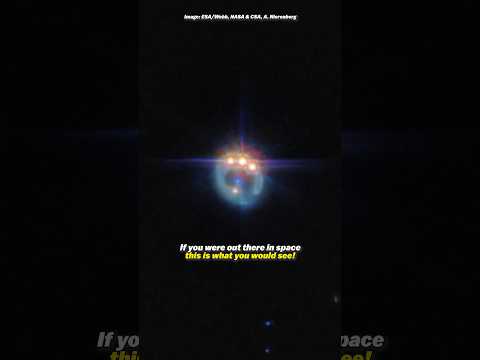
You know that moment when you’re outside at night, staring up at the stars, and just thinking, “Wow, space is pretty big”? Well, imagine if you could actually take a closer look. Like, through a giant camera lens!
Photographic telescopes are like the cool older sibling of regular telescopes. They not only let you see those twinkling stars but also capture them in stunning detail. It’s like Instagram for the universe! Seriously though, there’s so much science behind how these bad boys work.
But here’s the catch: it’s not just about pointing and shooting. There’s a whole world of tech magic happening before those epic space shots come to life. We’re talking cameras that can see light we can’t even detect. How cool is that?
Stick around, and I’ll take you through this cosmic adventure. You’ll find out how we snap some of the most jaw-dropping images of our universe!
Exploring Astrophotography: The Intersection of Art and Science
Astrophotography is a fascinating blend of art and science, where you capture the beauty of the universe through photography. It’s like painting with light, but instead of brushes, you use telescopes and cameras. So, let’s break it down!
First off, what even is astrophotography? Well, it’s basically taking pictures of celestial bodies—like stars, planets, galaxies, and nebulae. But it’s more than just clicking a shutter; there’s a lot of science behind the craft. You’re dealing with light years of distance and things that are sometimes millions of times fainter than what our eyes can see. Seriously!
Now, photographic telescopes play a crucial role in this whole process. These telescopes help gather light from those faraway objects. You see, light from distant stars can be super faint by the time it reaches Earth. So, a good telescope can collect more light and make those images clearer and more vibrant.
Let’s get technical for just a moment—don’t worry; I won’t get too nerdy! There are two main types of astrophotography: short exposure and long exposure. Short exposure captures quick snapshots—like taking spontaneous selfies at a party. Long exposure is where the magic really happens. Here, you open your camera shutter for several minutes or even hours to collect as much light as possible. It’s like letting your camera drink in all that cosmic juice to make beautiful star trails or detailed nebulae.
And here comes an emotional twist: Imagine standing outside on a chilly night with your telescope set up under a sea of stars. You’ve got your camera ready to go while you’re surrounded by nothing but silence and wonder. That moment when you capture something beautiful—maybe it’s the swirling colors of the Andromeda Galaxy—is pure magic! It gives you chills just thinking about how tiny we are compared to all that vastness out there.
Timing is also super key in astrophotography. Some phenomena happen only once in a while—like **meteor showers** or **eclipses**—and if you want to catch them on film (or sensor), you’ve got to be ready! Knowing when those events take place requires some research and planning.
And speaking of planning: processing those images is another important part! After snapping your shots, you’ll probably run them through software to adjust colors or enhance details because sometimes raw images don’t quite do justice to what your eyes saw through the telescope.
In conclusion (not my favorite phrase!), astrophotography challenges traditional boundaries between *artistic expression* and *scientific inquiry*. By capturing images of celestial wonders, you’re not just snapping pretty pictures; you’re engaging with complex physics and sharing the universe’s beauty with everyone else too!
So next time you’re gazing at the night sky or scrolling through stunning cosmic images online, remember: behind each shot lies patience, artistry, science… and maybe even some pizza-fueled late-night creativity!
Alright, so let’s talk about something pretty cool—photographic telescopes. You know, those big devices that let us gaze into the vastness of space and discover the mysteries of the universe. Imagine standing under a clear, starry sky and pointing one of those bad boys up there. Feels like you’re opening a window to another world.
I remember this one time as a kid, my dad took me out to his old telescope. We spent hours outside trying to catch a glimpse of Saturn’s rings. I was over the moon when we finally saw it—those beautiful bands of color just floating in space! It was like magic, and I got so excited thinking about what else was out there.
But here’s the thing: capturing what you see through a telescope isn’t just about having fancy gear. It’s all about science too! Photographic telescopes work by collecting light from distant stars, galaxies, and other celestial objects, and then turning it into images we can actually see. Yeah, sounds super technical but really it’s awesome how they make things light-years away show up clearer than a summer day!
You might be wondering why capturing this light is important? Well, it’s not just for pretty pictures (although they are gorgeous!). These images help scientists study everything from black holes to supernovae—those massive explosions that happen when stars die. By analyzing these photographs, they gather data to understand how the universe works.
And let me tell you—a lot of math goes into this stuff too! Calculating distances across galaxies or understanding the composition of stars requires some serious brainpower. But don’t worry if you’re not into numbers; appreciating what telescopes do is totally enough.
So yeah, whether it’s an amateur with a small telescope or a team at an observatory with high-tech gear snapping breathtaking images of nebulae, it all connects us to the cosmos in one way or another. Next time you gaze up at those twinkling stars—and believe me, I still do every chance I get—take a moment to ponder what kind of stories lie behind them and how many people have tried to capture their beauty just like my dad did all those years ago!