You know that feeling when you open a can of soda, and it makes that satisfying “pshhh” sound? That’s thermodynamics at play, my friend! It’s all about energy movement and how stuff transforms. Who knew fizzy drinks could be so scientific, right?
So here’s the thing: thermodynamics isn’t just for the science nerds in lab coats. It’s a part of our everyday lives—like boiling water for pasta or cranking up the AC on a hot day.
But it goes deeper than just your kitchen antics. The principles behind thermodynamics shape everything from engines to fridges to even our climate! Crazy, huh? Let’s take a chill pill and explore how these concepts work in real life, ’cause trust me, it’s cooler than it sounds.
Understanding the Principles of Thermodynamics: Key Concepts in Scientific Study
Thermodynamics is a big, fancy word for the study of how heat and energy move around. But don’t let the term scare you off. At its core, it’s all about understanding how energy changes from one form to another and how it affects matter—like everything around us! You can think of it as a set of rules for energy’s behavior. Let’s break down some key principles that are super important in this field.
First Law of Thermodynamics: This one’s all about conservation. Energy can’t be created or destroyed; it just gets transformed from one type to another. So, when you’re burning wood in a fireplace, the chemical energy in the wood turns into thermal energy (that warm cozy feeling) and light! Imagine roasting marshmallows—the heat from the fire does all the magic.
Second Law of Thermodynamics: Here’s where things get interesting! This law tells us that energy tends to flow from hotter areas to cooler ones until everything is balanced out—like when you leave an ice cube out on a hot day. It melts because heat moves from the air to the ice. That makes sense, right? It’s kind of like how your hot coffee cools down when you leave it sitting on the table.
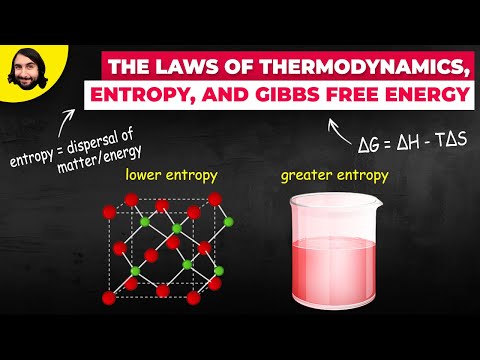
Entropy is a big player in this second law too. It measures disorder or randomness in a system. Picture your room after having friends over—it’s like organized chaos! In thermodynamics, systems naturally progress toward higher entropy over time. Basically, things just want to spread out and be disordered!
Now, let’s look at some practical applications. You know those engines that power cars? They work based on thermodynamic principles! They take chemical energy from fuel and convert it into mechanical energy to move your car forward. The efficiency of these processes can sometimes be frustratingly low because not all energy gets converted; some gets lost as waste heat.
Another cool application is refrigeration! Ever wonder why your fridge keeps things cold? It uses what’s called a refrigeration cycle, which takes advantage of thermodynamic principles to transfer heat from inside your fridge (where it’s cold) to outside (where it’s warmer). Think about that next time you pour yourself a glass of ice-cold lemonade!
So, what does this mean for everyday life? Well, understanding these principles helps scientists design better engines and refrigerators or even predict weather patterns! The laws of thermodynamics are everywhere—just like that lovely breeze on a summer day or the way ice melts in your glass.
In summary, thermodynamics isn’t just some dry subject; it’s essential for understanding energy exchanges that shape our world every day:
- Energy conservation: Energy always transfers but never disappears.
- Heat flow: Hotter to cooler—just like melting ice!
- Entropy matters: Systems want to become more disordered over time.
- Real-world magic: From car engines to fridges!
So yeah, next time you’re feeling hot or cozy by the fire, remember—that’s thermodynamics working for you!
Real-Life Applications of Thermodynamics in Science: Examples and Insights
Thermodynamics is one of those cool branches of physics that really impacts our day-to-day lives, even if we don’t always realize it. It’s all about the study of heat, energy, and how they transform and transfer. Here’s a little peek into some real-life applications that showcase these principles in science.
1. Power Plants
Think about the lights in your house or your phone charging. Those all rely on power plants, which use thermodynamic principles to generate electricity. Most of them operate on the principle of converting heat energy into mechanical energy. Consider a coal-fired power plant: it burns coal to produce steam, which spins turbines connected to generators. This is a great example of applying the first law of thermodynamics, which states that energy cannot be created or destroyed—only transformed.
2. Refrigeration
Ever opened your fridge and felt that rush of cold air? That’s thermodynamics at work! Refrigerators use the second law of thermodynamics, which deals with entropy (basically, how things move toward disorder). They take heat from inside the fridge and expel it outside, keeping your food nice and cool. The refrigerant inside undergoes phase changes—going from gas to liquid and back again—to absorb heat efficiently.
3. Engines
Whether you’re driving a car or flying in a plane, engines are prime examples of thermodynamics in action. Internal combustion engines convert fuel into motion by burning gasoline to create hot gases that push pistons up and down—a direct application of thermodynamic cycles. Plus, this also ties back into conservation laws where energy is transformed from chemical potential energy in fuel to kinetic energy needed for movement.
4. Weather Systems
The weather outside might feel random, but it actually follows some solid thermodynamic principles! When air heats up, it rises and creates low pressure areas; cooler air then rushes in to fill those gaps. That’s why we experience winds—different temperatures interact based on their energies moving through space!
5. Biological Processes
Your body is basically a tiny thermodynamic machine! From digestion—which transforms food into usable energy—to the way we sweat (cooling us down through evaporation), our biological functions rely heavily on these principles as well. For example, when we exercise, our muscles produce heat as they burn calories; thermoregulation helps keep our body temps steady even during intense workouts.
So there you go! Thermodynamics isn’t just some abstract concept found in textbooks; it’s actively shaping our lives every single day in incredibly practical ways—from generating power to keeping our food fresh and even how we cope with changing weather patterns. Isn’t it kinda amazing how interconnected everything is?
Understanding Chemical Equilibrium: Key Concepts and Applications in Modern Science
Chemical equilibrium is one of those concepts in chemistry that might sound a bit dry at first, but it’s super important in so many areas of science and everyday life. So let’s break it down together, step by step.
To start with, chemical equilibrium happens when a reversible reaction reaches a point where the rate of the forward reaction equals the rate of the reverse reaction. It’s like balancing on a seesaw; both sides are perfectly matched. At this stage, you’ll find that the concentrations of reactants and products remain constant over time, even though reactions are still occurring.
Now, you might be thinking: “Okay, but why should I care?” Well, understanding this balance can help in fields as diverse as pharmaceuticals to environmental science. For instance:
- Pharmaceuticals: When designing drugs, chemists often need to know how to shift an equilibrium to favor product formation so that medications act effectively.
- Environmental Science: Chemical equilibria help explain how pollutants break down in ecosystems. Knowing these balances can help us clean up contaminated sites.
- Industrial Processes: Many manufacturing processes rely on reaching equilibrium to optimize yields—like producing ammonia from nitrogen and hydrogen gases.
So what governs this balance? That’s where thermodynamics comes into play! Thermodynamics looks at energy changes during reactions and helps predict whether a reaction will happen spontaneously or not. The famous Gibbs Free Energy, for instance, plays a crucial role here. If Gibbs energy is negative for a process at constant temperature and pressure, it means that the reaction will move toward products.
Let’s talk about Le Chatelier’s Principle. This principle states that if you change the conditions of a system at equilibrium (like changing concentration or pressure), the system will adjust itself to counteract that change. Imagine baking bread: if you add more yeast (which increases concentration), the bread will rise faster until it reaches a new balance between all ingredients.
It’s also fascinating how temperature influences equilibrium. Some reactions are exothermic (they release heat), while others are endothermic (they absorb heat). Adding heat can shift an exothermic reaction to favor reactants—just like stirring soup makes it cool down faster; you’re introducing energy into the system!
Now think back to when my favorite science teacher tried to explain this concept with lemonade! She showed us how adding sugar not only sweetens the drink but also changes its chemical makeup for a while until everything mixes perfectly—that’s your equilibrium moment!
In practical applications today, researchers use this knowledge in various areas such as developing catalysts that accelerate chemical reactions without altering equilibrium or finding ways to maintain sustainable agricultural practices through better understanding soil chemistry.
So there you go! Chemical equilibria aren’t just dusty textbook concepts—they’re alive and kicking in our world every single day! Whether it’s creating medicines or managing our environment better, understanding these balances brings plenty of value to modern science and beyond.
Thermodynamics is one of those subjects that might sound a bit intimidating at first, but honestly, it’s pretty incredible once you get into it. I remember this one time in college when I was struggling with understanding how heat engines work. The professor walked us through a simple example using a car engine. Suddenly, it clicked! It’s like, wow, there’s so much science happening beneath the hood.
So, thermodynamics is all about how energy moves around. It deals with heat transfer and how energy transforms from one form to another. You’ve got these fundamental principles—like the laws of thermodynamics—that explain everything from why your coffee cools off to how refrigerators keep things chilly.
The first law is all about energy conservation. Basically, energy can’t just appear or disappear; it can only change forms. Think about baking cookies: you put in electrical energy to heat the oven, and that gets transformed into thermal energy that cooks your dough. Pretty cool, right?
Then there’s the second law, which dives into entropy—a fancy term for disorder. You know how things tend to get messy over time? That’s entropy in action! It reminds us that energy tends to spread out and become less useful unless we do something to keep it organized. This principle has huge implications in real life, from why we need to keep our cars maintained to how we manage waste in technology.
Speaking of waste management—let’s not forget practical applications! Energy efficiency is like the hot topic right now in everything from buildings to transportation. For instance, modern houses use insulation techniques that minimize heat loss in winter; it’s making our lives more comfortable while reducing bills and environmental impact.
And then there are power plants harnessing thermodynamic principles to produce electricity. They use steam turbines where water is heated until it turns into steam (thanks again to those laws). The steam spins turbines connected to generators and produces electricity for our homes!
So yeah, thermodynamics isn’t just theoretical mumbo jumbo—it shapes so much of our daily lives without us even realizing it! Whether you’re enjoying a warm cup of tea or getting your car serviced before a road trip, thermodynamic principles are quietly working their magic behind the scenes.
Next time you think about heating or cooling something up—or even just sitting by a cozy fire—remember all the amazing science at play! Seriously makes you appreciate those hot summers and cold winters even more…